

Hello, Dear reader! If you are traveling to Peru, there is a good chance your journey will take you from Lima to Cusco at some point. For most international travelers, Lima is the first stop, while Cusco is the gateway to the Andes, the Sacred Valley and Machu Picchu.
The good news is that getting from Lima to Cusco is quite simple. Most travelers fly, and the journey takes around an hour and a half. But there are a few things worth knowing before you book your flight, especially the difference in altitude, what to expect when you arrive and how to plan the next part of your trip.
In this article, you will find everything you need to know about traveling from Lima to Cusco, from airport transfers and flight times to the changing landscape and what to expect when you arrive in the Andes.
Lima to Cusco: The Main Route to the Andes
For most travelers, flying is the easiest way to get from Lima to Cusco.
There are regular flights connecting Jorge Chávez International Airport in Lima with Alejandro Velasco Astete International Airport in Cusco. The flight takes approximately 1 hour and 15 minutes to 1 hour and 30 minutes, depending on the flight and conditions.
This makes flying the most practical option if you want to make the most of your time in Peru.
Once you arrive in Cusco, you can head to your hotel, rest and give yourself some time to adjust to the altitude before continuing with your trip.
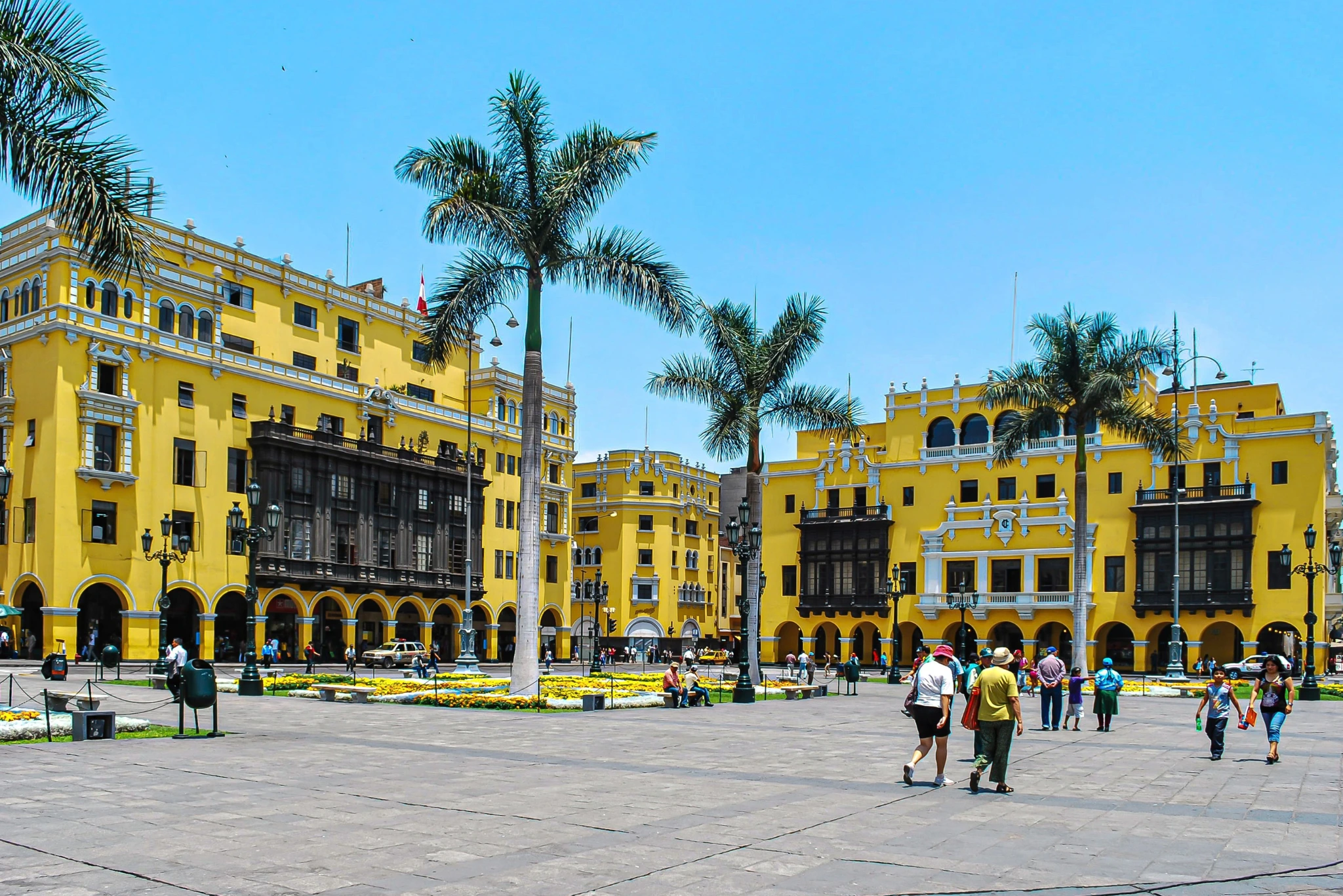
Lima to Cusco Flights: What to Expect
If you are looking for flights from Lima to Cusco, you will normally be flying from Jorge Chávez International Airport (LIM) to Alejandro Velasco Astete International Airport (CUZ).
The flight itself is short, but remember that your total travel time will be longer than the time you spend in the air. You also need to allow time for your transfer to the airport, check-in, security and collecting your luggage.
When looking for airline tickets from Lima to Cusco, it is worth looking at the full schedule rather than choosing a flight based only on price. A morning arrival, for example, gives you more time to settle into Cusco, while a later flight may work better if you want to spend another night in Lima.
Flight schedules and fares change depending on your travel dates and availability, so always check the current options when booking.
How Long Is the Flight from Lima to Cusco?
The direct flight from Lima to Cusco takes around 1 hour and 15 minutes to 1 hour and 30 minutes.
So, if you are wondering how long the flight from Lima to Cusco is, the answer is quite simple: it is a short domestic flight.
What makes the journey interesting is what happens when you land.
From Lima to Cusco: A Change in Landscape
One of the nicest things about traveling from Lima to Cusco is how much Peru changes along the way.
Lima is a coastal city. The Pacific Ocean, a large urban area and the dry coastal landscape shape much of the scenery around the capital. Then you fly inland and upward.
As you approach Cusco, the landscape changes into mountains, valleys, highland plains and more rugged terrain. The air is cooler, and the scenery feels completely different from the coast.
It is almost like seeing two different sides of Peru in the same morning.
And there is another difference you will notice: altitude.
Lima is at sea level, while Cusco is around 3,400 meters above sea level. That's why arriving in Cusco is not simply about traveling from one city to another. Your body is also adjusting to a completely different environment.
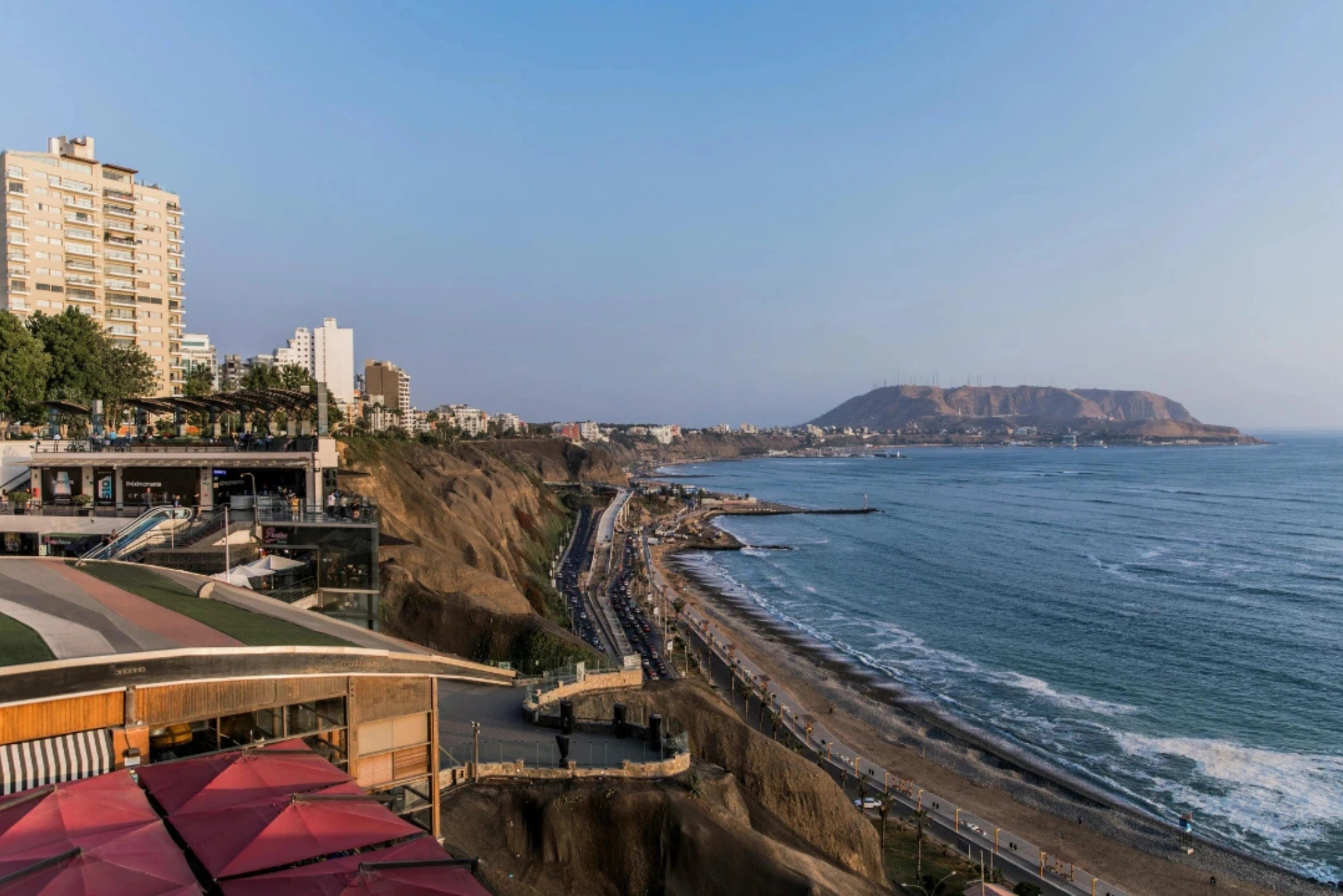
From Your Hotel in Lima to the Airport
If you are staying in Miraflores, San Isidro or another central area of Lima, you will need to allow enough time to get to Jorge Chávez International Airport.
Traffic in Lima can be unpredictable, so it is important not to leave your hotel at the last minute. Depending on where you are staying and the time of day, the journey can take considerably longer than it looks on a map.
This is one reason many travelers prefer to arrange a private airport transfer in advance. You can simply leave your hotel with your driver and head to the airport without having to worry about finding transportation that morning.
Once you arrive at Jorge Chávez, you can check in for your flight to Cusco and continue with your Peru adventure.
Arriving in Cusco: From the Cusco Airport to Your Hotel
Cusco's airport is relatively close to the historic center. The trip from Alejandro Velasco Astete International Airport to the historic center takes approximately 20 minutes by car, although traffic can affect the actual travel time.
If your hotel is around the Plaza de Armas, San Blas or another central neighborhood, you can be in the heart of Cusco quite quickly after leaving the airport.
This also makes the airport transfer relatively inexpensive compared with longer airport journeys in Peru.
Still, arranging your transfer in advance can make things easier, especially if this is your first visit. After a flight and with the altitude to consider, it is nice to know that your transportation is already organized.
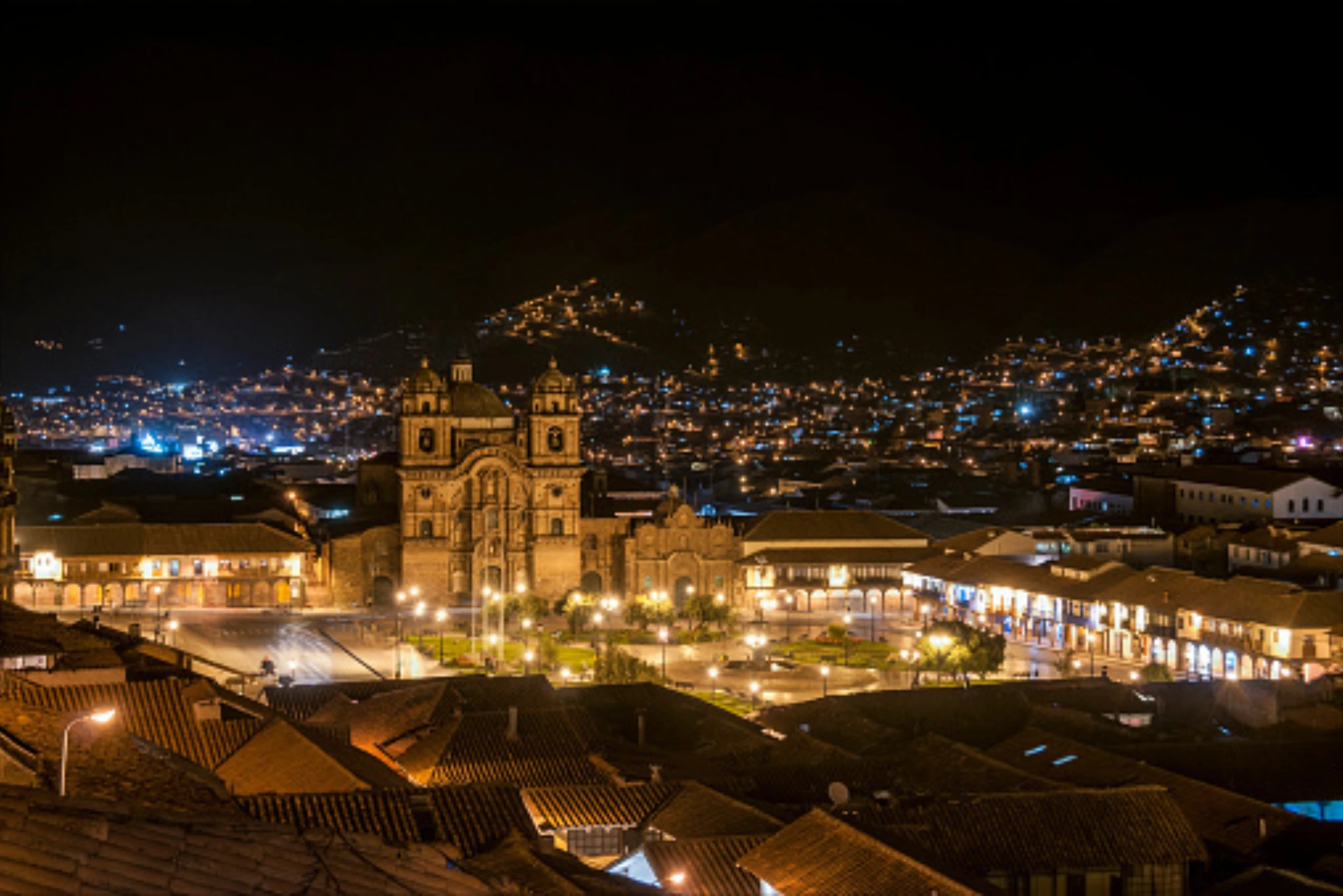
Lima vs. Cusco: What Is the Difference?
Lima and Cusco could hardly feel more different, and that is part of what makes traveling through Peru so interesting.
Lima is a modern coastal capital with restaurants, museums, shopping areas and views of the Pacific Ocean. The city is much larger and has a very different climate from Cusco.
Cusco is surrounded by the Andes. Its historic center combines Inca stonework with colonial architecture, and you will find cobblestone streets, traditional markets, churches and neighborhoods such as San Blas.
The biggest practical difference for travelers, however, is the altitude.
In Lima, you can arrive from sea level and start exploring. In Cusco, you need to give your body some time to adjust.
That small difference can make a big difference to how you feel during your first day or two.
Should You Go Straight from Lima to Machu Picchu?
Technically, you can continue toward Machu Picchu soon after arriving in Cusco, but we don't recommend going straight from your Lima flight to Machu Picchu.
The journey is more tiring than it may seem. You are traveling from sea level to Cusco at more than 3,300 meters above sea level, and then you still have a road and train journey ahead of you.
Some travelers experience symptoms of altitude sickness, also known locally as soroche, after arriving in Cusco. These can include headache, tiredness, dizziness or an upset stomach. Not everyone experiences them, but it is something worth keeping in mind. Learn more about Soroche Here!
That is why we recommend spending at least one night in Cusco before continuing toward Machu Picchu.
Use your first day to rest, drink plenty of water and take things slowly. It is also a good idea to eat light meals and avoid heavy food or too much alcohol while your body is adjusting.
You do not need to fill your first afternoon with activities. Sometimes the best thing you can do after arriving in Cusco is check into your hotel, have a light meal, take a gentle walk around the area and get a good night's sleep.
The next day, you can continue your journey feeling much more comfortable.
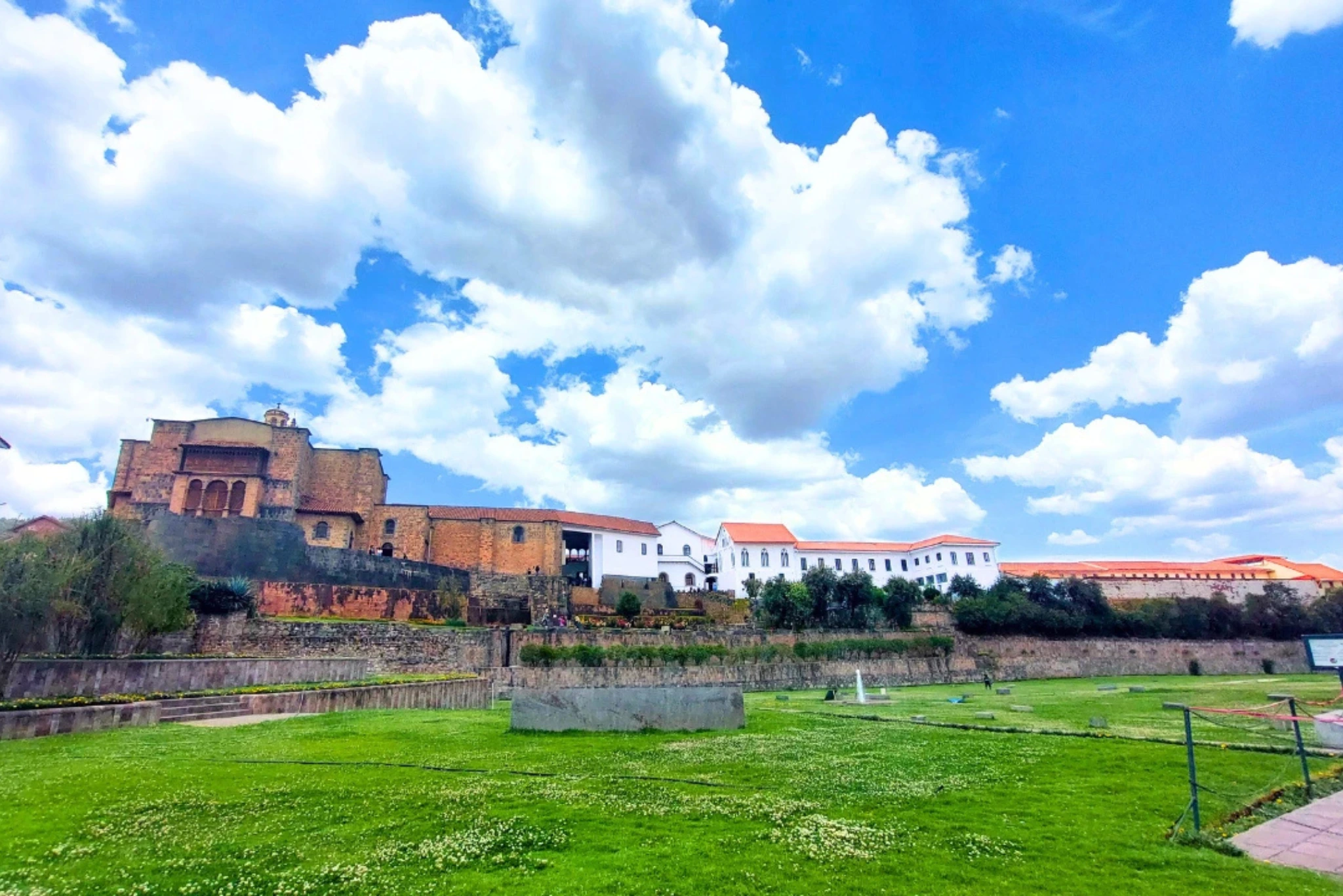
From Cusco to Machu Picchu
Once you have had time to settle in Cusco, you can continue toward Machu Picchu.
There are several ways to organize this part of the journey depending on your itinerary.
One popular route is:
Cusco → Sacred Valley → Ollantaytambo → Machu Picchu Town → Machu Picchu
You can visit part of the Sacred Valley on your way to Ollantaytambo and then board a train to Machu Picchu Pueblo.
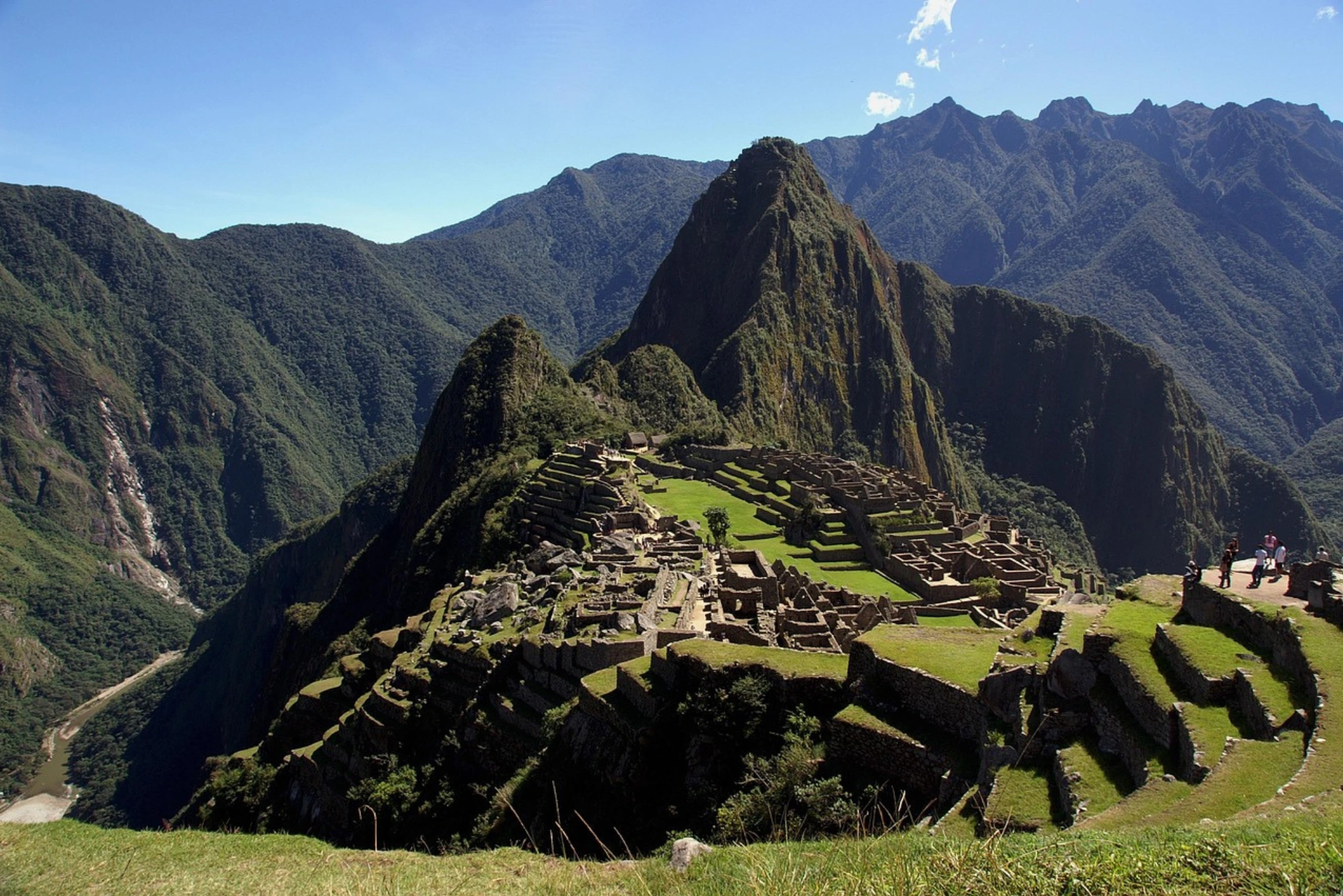
The train journey is an experience in itself. As you leave the highlands behind, the scenery gradually becomes greener and more dramatic, with mountains, valleys and vegetation changing along the route.
From Aguas Calientes (Machu Picchu Town), you then continue to the archaeological site according to your entrance arrangements.
This is why we recommend thinking of Machu Picchu as part of your wider Cusco itinerary rather than something to rush into immediately after landing.
What will you See on the way from Lima to Cusco and Machu Picchu?
One of the best things about this journey is that the landscape keeps changing.
In Lima, you begin on the Pacific coast, surrounded by an urban landscape and Peru's dry coastal environment.
In Cusco, you find yourself in the Andes, with mountains, valleys and high-altitude landscapes.
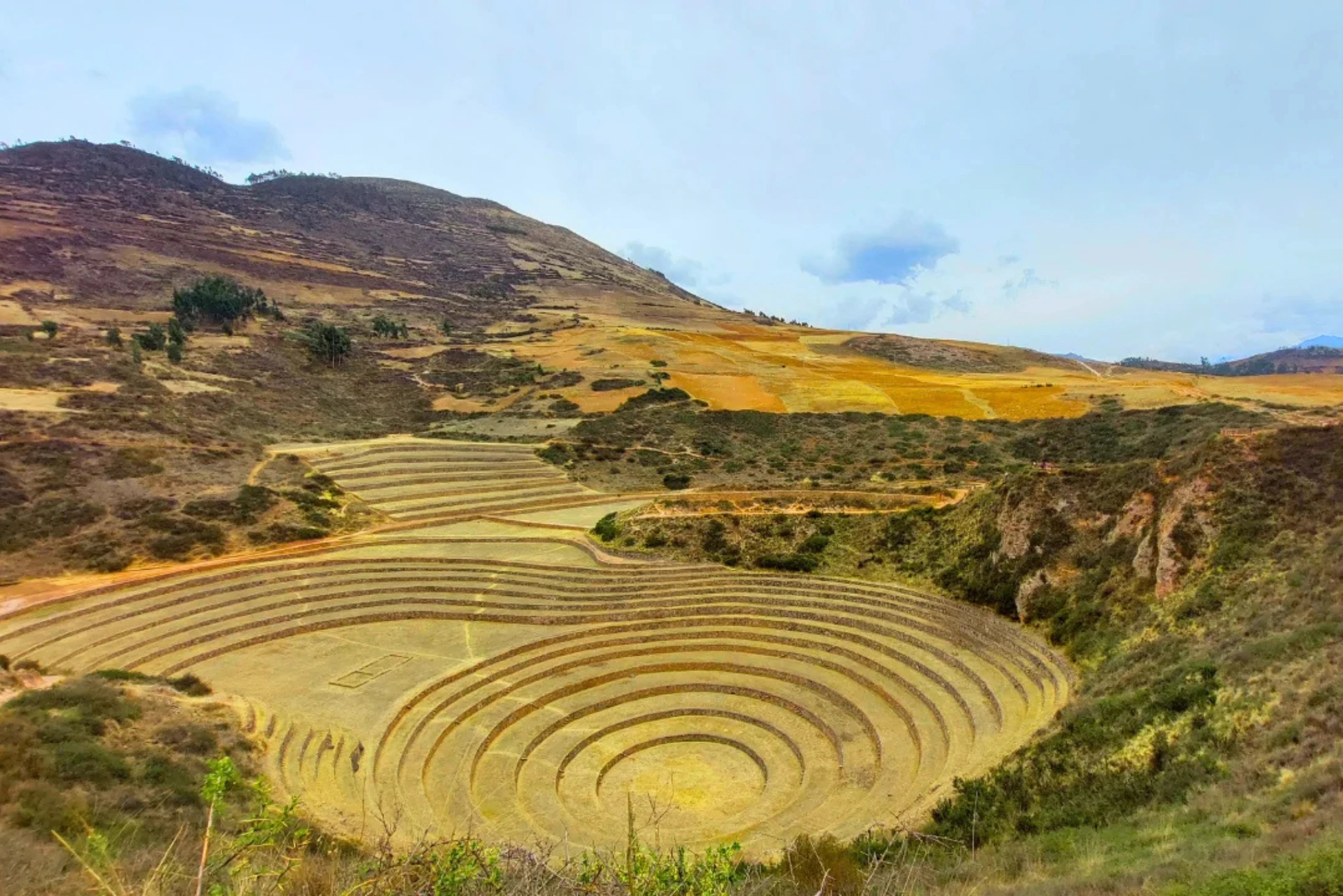
Then, as you travel toward Machu Picchu, the scenery changes again. The Sacred Valley opens up around the Urubamba River, and as the train continues toward Machu Picchu Pueblo, the vegetation becomes increasingly lush.
By the time you reach Machu Picchu, you are surrounded by a landscape that feels completely different from the one you left behind in Lima.
It is not just a trip between two cities. It is a journey through several of Peru's very different landscapes.
How Much Time Should You Allow for Lima and Cusco?
There is no single perfect itinerary, but we recommend avoiding the temptation to squeeze everything into as few days as possible.
For example, a comfortable itinerary could look something like this:
- Days 1–2: Lima
Arrive, rest and explore some of Lima's highlights.
- Day 3: Lima to Cusco
Take a morning flight, transfer to your hotel and spend the day relaxing and resting.
- Day 4: Cusco
Explore the historic center and some of the city's main attractions.
- Day 5: Machu Picchu
Take the train to Machu Picchu Pueblo and visit the citadel.
- Day 6: Sacred Valley
Travel through the Sacred Valley and continue toward Ollantaytambo or another nearby destination.
Of course, you can stay longer in Cusco, spend more time in the Sacred Valley or add other experiences or cities depending on your interests. The important thing is not to make the journey unnecessarily rushed.
A Few Things to Keep in Mind before Flying from Lima to Cusco
- Give yourself time at the airport: Lima traffic can add considerable time to your journey, so do not plan your airport transfer too tightly.
- Take your first day in Cusco slowly: The altitude is the biggest difference your body will notice when traveling from Lima.
- Keep your first meals light: There is no need to celebrate your arrival with a huge dinner. Give your body some time to adjust.
- Drink water regularly: Staying hydrated can help you feel more comfortable at altitude.
- Plan your Machu Picchu tickets and train in advance: Your entrance ticket and train ticket are separate arrangements, so make sure the schedules work together.
- Do not forget to enjoy Cusco: It is not just a stop on the way to Machu Picchu. The city itself is one of the highlights of traveling through Peru.
Planning Your Journey from Lima to Cusco?
Getting from Lima to Cusco is easy when the different parts of the journey are planned together.
At Peruvian Sunrise, we can organize your Peru journey around your travel dates, interests and preferred pace, including your time in Lima, flights to Cusco, private transfers, the Sacred Valley and your visit to Machu Picchu.
You do not have to figure out every connection on your own, tell us what you have in mind, and we can help you put together a comfortable journey through Peru.
FAQ's
Is Cusco cheaper than Lima for travelers?
It depends on the travel type and activities you choose, but some everyday travel costs in Cusco can be lower than in Lima. Airport transfers are also relatively inexpensive because Cusco's airport is close to the historic center.
What should I wear when traveling from Lima to Cusco?
We recommend you to pack layers. Lima and Cusco have very different climates and temperatures can change significantly during the day in the Andes. Comfortable walking shoes, a light jacket, sunscreen and layers you can add or remove are useful.
Why does Cusco feel so different from Lima?
The altitude is one of the biggest reasons. Cusco is around 3,400 meters above sea level, while Lima is at sea level. The cities also have very different geography, architecture, climate and atmosphere.
Is the journey from Cusco to Machu Picchu scenic?
Yes. The route passes through changing Andean landscapes, including the Sacred Valley, mountains and increasingly green scenery as you travel toward Machu Picchu Pueblo.