
Hello, dear reader! If you have ever dreamed of traveling through South America, chances are you have already encountered the Andes Mountains. Perhaps you know them from the iconic landscapes around Machu Picchu, the colorful peaks of Rainbow Mountain, the glaciers of the Cordillera Blanca, or the high-altitude shores of Lake Titicaca.
But what exactly are the Andes? Where are the Andes Mountains located? What countries do they go through? How high are they, what is the climate like, and why have these mountains been so important to the people who have lived among them for thousands of years?
The Andes are much more than a mountain range. They are a vast geographical and cultural world stretching along the western side of South America. They have shaped civilizations, connected communities, influenced agriculture and architecture, and created some of the most extraordinary ecosystems on the continent.
For travelers, the Andes offer an incredible variety of experiences. You can explore ancient archaeological sites, hike through valleys and high-altitude landscapes, meet local communities, discover centuries-old traditions, or simply enjoy spectacular mountain scenery.
And if Peru is on your travel list, getting to know the Andes is essential. Much of the country's history, culture and most famous destinations are deeply connected to these mountains.
So, continue reading to take a closer look!
What Are the Andes?
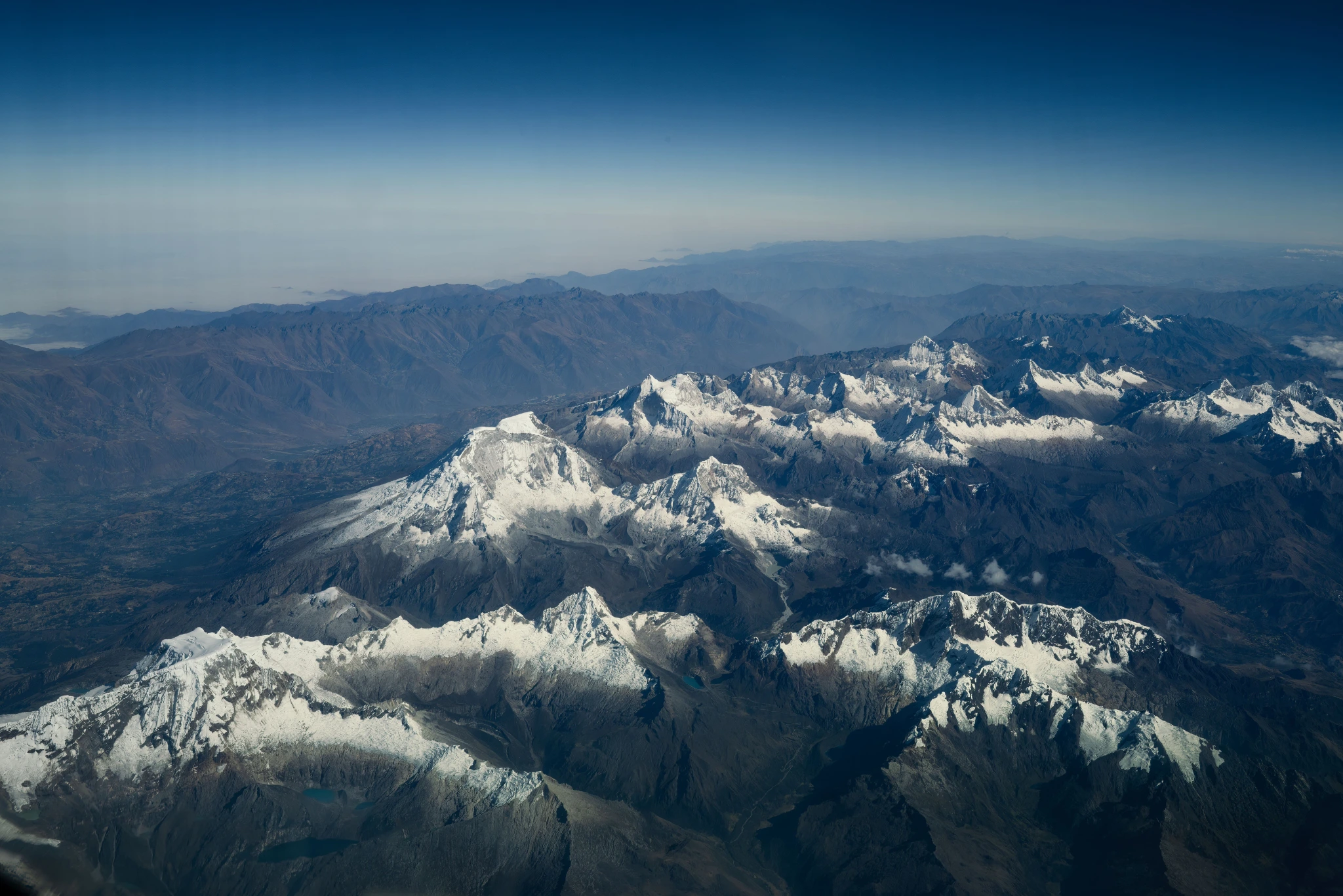
The Andes are the longest continental mountain range in the world, extending for approximately 8,900 kilometers along the western edge of South America.
The Andes Mountain Range crosses several countries and contains an extraordinary variety of landscapes. It includes enormous peaks, volcanoes, glaciers, high plateaus, deep valleys and fertile mountain basins.
Unlike a single line of mountains, the Andes are a complex system of ranges and sub-ranges. Their geography changes significantly from north to south and from west to east.
In some places, the mountains rise dramatically above the surrounding landscape. In others, they form broad high plateaus such as the Altiplano. Their eastern slopes eventually descend toward the Amazon Basin, creating an impressive transition between high mountains and tropical rainforest.
What does Andes mean?
The origin of the word “Andes” is not completely settled, and several theories have been proposed over time.
One widely discussed explanation connects the name with the Quechua word anti, associated with the eastern region of the Inca world. Another theory links it to Spanish interpretations of Indigenous geographical names.
Whatever its exact linguistic origin, today the name Andes refers to one of the defining geographical features of South America.
What continent are the Andes in?
The Andes are located in South America.
They form a vast mountain corridor along the continent's western side, influencing the geography, climate and ecosystems of several countries.
Their enormous length is one of the reasons they are so diverse. The Andes in northern South America can look dramatically different from the highlands of Peru or the enormous peaks of Chile and Argentina.
Where Are the Andes Mountains Located?
The Andes Mountains are located along the western side of South America, close to the Pacific coast in many areas.
They begin in the northern part of the continent and continue southward for thousands of kilometers.
What countries do the Andes go through?
The Andes extend through seven South American countries:
- Venezuela
- Colombia
- Ecuador
- Peru
- Bolivia
- Chile
- Argentina
Each country offers a different perspective on the mountain range.
In Colombia, the Andes divide into several branches and pass through landscapes ranging from green mountain valleys to high-altitude ecosystems.
In Ecuador, the mountains include the famous Avenue of the Volcanoes, where travelers can see several major volcanic peaks.
In Peru, the Andes become particularly important to the country's geography and cultural identity, with destinations such as Cusco, the Sacred Valley, Machu Picchu, Huaraz and Lake Titicaca.
In Bolivia, the range includes the high Altiplano and dramatic peaks such as Illimani.
In Chile and Argentina, the Andes form a natural frontier between the two countries and include Aconcagua, the highest mountain in both the Andes and the Western Hemisphere.
What country are the Andes Mountains in?
There is no single answer because the Andes are not located in only one country.
They cross seven countries, making them a truly multinational mountain range. However, Peru occupies a particularly important part of the Andes, both geographically and historically.
A large portion of the Peruvian population lives in Andean regions, and many of the country's most famous archaeological sites and tourist destinations are located in or around the mountains.
Can You Find the Andes on a Map?
Yes. If you look at an Andes map, you will see the mountain range forming a long, almost continuous chain along the western side of South America.
Its geography helps explain many of the continent's contrasts.
The Pacific Ocean lies to the west, while the enormous Amazon Basin extends eastward from the Andes. Between these environments are mountain valleys, high plateaus and some of the world's highest inhabited regions.
For travelers, this geography is particularly interesting because it means that Peru can offer dramatically different environments within a relatively short journey.
You can begin in Lima, surrounded by a coastal desert, travel into the Andes toward Cusco, and eventually descend toward the Amazon rainforest.
The mountains are therefore not an isolated destination. They are part of the geographical bridge connecting several of Peru's major ecosystems.
What Are the Main Characteristics of the Andes?
There are several characteristics that make the Andes unique.
An enormous mountain range
The Andes stretch for thousands of kilometers, making them the longest continental mountain range on Earth.
Extreme changes in altitude
Elevation varies dramatically throughout the range. Some areas are relatively low, while others rise to more than 6,000 meters above sea level.
Diverse landscapes
The Andes include:
- Snow-capped mountains
- Glaciers
- Volcanoes
- High-altitude plateaus
- Mountain valleysLakes
- Grasslands
- Cloud forests
- Dry mountain environments
Extraordinary biodiversity
Because elevation and climate change so dramatically, the Andes contain many different ecosystems and habitats.
Deep cultural significance
People have lived in the Andes for thousands of years. Ancient civilizations developed agriculture, transportation networks and settlements adapted to the challenging mountain environment.
Active geological processes
The Andes were largely shaped by tectonic activity and continue to experience earthquakes and volcanic activity in different areas.
These characteristics make the Andes important not only from a tourism perspective but also from geological, ecological and cultural points of view.
How High Are the Andes?
One of the most common questions travelers ask is how high the Andes are.
The answer depends on where you are in the range.
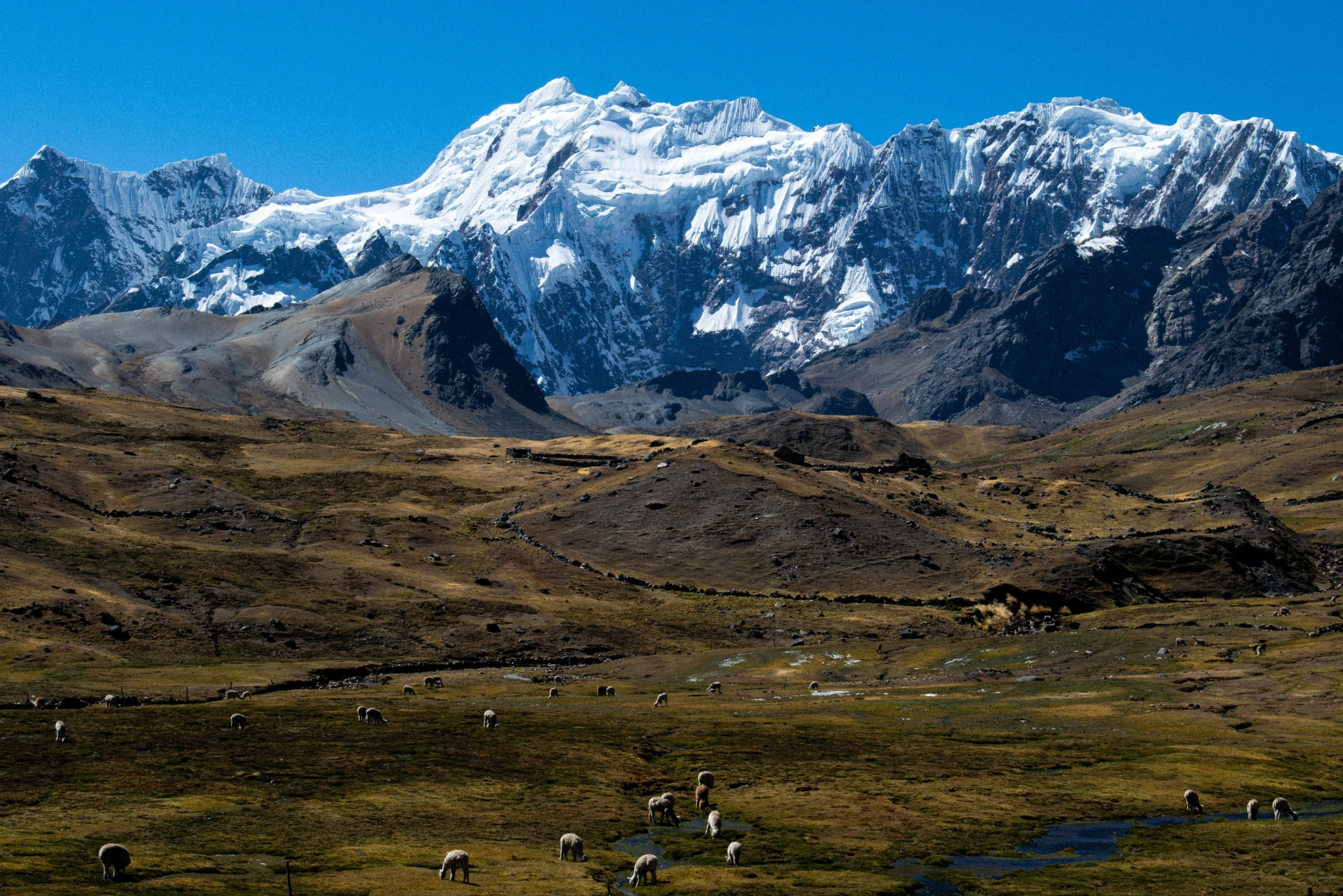
The Andes contain numerous peaks above 6,000 meters, and their highest point is Aconcagua, located in Argentina, at approximately 6,962 meters above sea level.
In Peru, Huascarán is the highest mountain, reaching approximately 6,768 meters.
But you do not have to climb a 6,000-meter peak to experience high altitude.
Several major tourist destinations are already located thousands of meters above sea level.
For example:
Destination | Approximate altitude |
Cusco | 3,400 m / 11,150 ft |
Huaraz | 3,090 m / 10,140 ft |
Lake Titicaca | 3,812 m / 12,507 ft |
Puno | 3,827 m / 12,555 ft |
Rainbow Mountain | Over 5,000 m / 16,400 ft |
Huascarán | 6,768 m / 22,204 ft |
Aconcagua | 6,962 m / 22,837 ft |
These numbers are important for travelers because altitude can affect how your body feels, even if you are not hiking.
Why Does Altitude Matter When Traveling in the Andes?
At higher elevations, the air contains less available oxygen than at sea level. As a result, physical activity can feel more demanding.
Some travelers experience symptoms of altitude sickness, such as headaches, fatigue, dizziness or shortness of breath, particularly during the first days after arriving at high altitude.
This does not mean you should be afraid of traveling to the Andes. It simply means that acclimatization should be part of your travel planning.
Take your first days at a comfortable pace, stay hydrated, rest when necessary and avoid planning strenuous activities immediately after arriving at a high-altitude destination.
A well-designed itinerary can make a significant difference.
For example, travelers visiting Cusco may choose to spend some time exploring at a relaxed pace or visit lower-altitude areas such as parts of the Sacred Valley before attempting a demanding high-altitude hike.
If you experience severe or worsening symptoms, seek medical assistance.
What Is the Climate Like in the Andes?
There is no single Andes climate.
The mountain range is so large and geographically diverse that weather conditions vary considerably depending on location, altitude and season.
This is one of the most important things to understand before planning an Andes trip.
A destination at 1,500 meters can have completely different conditions from one at 4,000 meters, even if they are relatively close geographically.
How does altitude affect Andes weather?
As altitude increases, temperatures generally decrease.
This creates different ecological zones along the mountains.
You can travel from warm valleys to cool highlands and then to areas where snow and glaciers dominate the landscape.
In Peru, this variation is particularly noticeable.
A traveler may experience warm and sunny conditions in a lower valley during the day, followed by cold temperatures after sunset at higher elevations.
This is why dressing in layers is one of the best pieces of practical advice for traveling through the Peruvian Andes.
When Is the Best Time to Visit the Andes?
The best time to visit the Andes depends largely on what you want to do and where you want to go.
For many popular destinations in the Peruvian Andes, the period from May to October is generally considered the drier season.
This can be particularly convenient for trekking and outdoor activities because there are typically fewer rainy days in many highland areas.
However, the dry season also coincides with a popular travel period, meaning some destinations can be busier.
What about the rainy season?
From approximately November to April, many areas of the Peruvian Andes experience more rainfall.
That does not mean that it rains continuously. Weather can change quickly in the mountains, and some days can still offer beautiful conditions.
The rainy season can also bring greener landscapes and fewer visitors in certain areas.
Ultimately, the right season depends on your itinerary.
If your main priority is trekking, weather conditions become particularly important. If you are more interested in cultural visits, archaeology and scenic journeys, you may have greater flexibility.
What Countries Can You Visit in the Andes?
Because the Andes extend through several countries, travelers can create very different experiences depending on where they go.
Colombia
The Colombian Andes are characterized by green mountain landscapes, coffee-growing regions, colonial towns and diverse ecosystems.
Ecuador
Ecuador's Andes are famous for their volcanoes, high-altitude landscapes and culturally rich mountain towns.
Peru
Peru is one of the most rewarding destinations for travelers interested in combining Andes mountains, ancient civilizations, archaeology and culture.
The Peruvian Andes are home to Cusco, the Sacred Valley, Machu Picchu, Lake Titicaca, Rainbow Mountain and the Cordillera Blanca.
Bolivia
Bolivia offers the high-altitude landscapes of the Altiplano, Lake Titicaca and spectacular mountain scenery around La Paz.
Chile and Argentina
The Andes form a natural border between Chile and Argentina. This region includes some of the highest mountains in the Americas, including Aconcagua.
Venezuela
The northern Andes extend into Venezuela, where travelers can find high mountain environments and distinctive landscapes.
Each country offers something different, but Peru has an especially remarkable combination of natural landscapes and archaeological heritage.
Why Are the Peruvian Andes So Special?
The Peruvian Andes are where geography and history come together in an extraordinary way.
Here, mountains are not simply scenery. They have influenced agriculture, architecture, transportation, religion, traditions and everyday life for centuries.
The region was home to several ancient cultures before the rise of the Inca Empire, and the Incas later developed a vast civilization adapted to the mountains.
Today, visitors can see the remains of this history almost everywhere.
Terraces climb mountain slopes. Ancient roads cross valleys. Archaeological sites sit among dramatic peaks. Traditional communities continue to cultivate crops and maintain cultural practices that have been passed down through generations.
And then there is the scenery.
From the Sacred Valley to the Cordillera Blanca, the Peruvian Andes offer some of the most spectacular mountain landscapes in South America.
Which Places Should You Visit in the Peruvian Andes?
There is no single way to experience the Peruvian Andes. Your ideal itinerary depends on your interests, fitness level and available time.
Cusco
At approximately 3,400 meters above sea level, Cusco is one of the most important destinations in the Andes.
The former capital of the Inca Empire combines archaeological remains, colonial architecture, museums, markets, restaurants and traditional neighborhoods.
It is also one of the main gateways to the surrounding mountains.
The Sacred Valley
The Sacred Valley is one of the most beautiful areas near Cusco.
Its landscapes combine mountains, agricultural fields, rivers and archaeological sites.
Pisac, Chinchero and Ollantaytambo are among its best-known destinations, each offering a different perspective on Andean history and culture.
The valley can also be useful for travelers who want to gradually adjust to the altitude before undertaking higher excursions.
Machu Picchu
Machu Picchu is perhaps the world's most famous destination associated with the Andes.
The ancient Inca citadel sits dramatically among the mountains, surrounded by steep green slopes and cloud forest.
Its location is part of what makes the site so extraordinary.
Machu Picchu is not simply an archaeological site placed in the mountains. Its architecture, terraces and location demonstrate the sophisticated relationship between the Incas and their environment.
Rainbow Mountain
Rainbow Mountain, or Vinicunca, has become one of Peru's most recognizable landscapes.
Its colorful appearance is the result of different mineral deposits exposed across the mountain.
However, its spectacular colors come with a challenge: the mountain is located at more than 5,000 meters above sea level.
For this reason, acclimatization and preparation are especially important.
Lake Titicaca
Lake Titicaca lies high in the Andes between Peru and Bolivia.
On the Peruvian side, Puno is the principal gateway for exploring the lake and its surrounding communities.
The region offers a different experience from Cusco, with vast high-altitude landscapes and cultural traditions closely connected to the lake.
Huaraz and the Cordillera Blanca
For travelers looking for serious mountain scenery and outdoor adventure, Huaraz is one of Peru's most important destinations.
The city provides access to the Cordillera Blanca, home to glaciers, turquoise lagoons and some of the country's highest peaks.
This region is particularly popular for trekking and mountaineering.
What Ancient Civilizations Lived in the Andes?
The Andes have been home to complex societies for thousands of years.
Long before the Inca Empire, different civilizations developed sophisticated agricultural, artistic, architectural and political systems across the region.
Some of the important cultures associated with ancient Peru include the Chavín, Moche, Nazca and Wari, among many others.
The Chavín civilization
The Chavín culture developed in the northern highlands and is recognized for its religious center, distinctive art and influence on later Andean cultures.
The Moche civilization
The Moche flourished mainly along Peru's northern coast, but their achievements are an important part of the broader history of the Andes.
They are particularly famous for their ceramics, monumental architecture and sophisticated irrigation systems.
The Nazca civilization
The Nazca are best known internationally for the famous Nazca Lines, enormous geoglyphs created in the desert landscape of southern Peru.
The Wari civilization
The Wari developed a powerful Andean state centuries before the rise of the Incas and left archaeological remains across large areas of Peru.
The Inca Empire
The Incas eventually created one of the largest empires in pre-Columbian America.
Their capital was Cusco, and their territory extended across large portions of the Andes.
Their achievements in engineering, agriculture, architecture and transportation remain visible throughout Peru today.
Machu Picchu is the most famous example, but it is only one piece of a much larger Andean story.
How Did the Incas Adapt to the Andes?
The Inca civilization understood the mountains not as a barrier, but as an environment that could be carefully adapted to human needs.
This relationship can still be seen throughout the Peruvian Andes.
Agricultural terraces
One of the most impressive examples is the use of agricultural terraces.
By creating flat steps along steep mountain slopes, Andean societies were able to cultivate crops in challenging terrain while also managing water and reducing soil erosion.
Terraces can still be seen around Cusco, the Sacred Valley and many other parts of the Peruvian highlands.
The Inca road system
The Incas also developed an enormous network of roads connecting different parts of their empire.
The Qhapaq Ñan, or Inca road system, crossed mountains, valleys and high plateaus.
Some modern trekking routes follow ancient paths that were once part of this extensive network.
Mountain architecture
Inca architecture was also adapted to the Andes.
Stone construction techniques, terraces, drainage systems and carefully selected locations helped settlements withstand the challenging mountain environment.
Machu Picchu is perhaps the best-known example, but archaeological sites throughout the region demonstrate how sophisticated this approach was.
What Are the Best Trekking Routes and Trails in the Andes?
For many travelers, trekking in the Andes is one of the most memorable ways to experience the mountains.
Walking through the landscape gives you time to notice details that can easily be missed from a vehicle: changing vegetation, distant peaks, rural communities, ancient terraces and the rhythm of life at high altitude.
There are routes for different levels of experience, from relatively short hikes to demanding multi-day expeditions.
The Inca Trail
The Inca Trail to Machu Picchu is arguably the most famous trekking route in Peru.
The classic route takes travelers through mountain landscapes and archaeological sites before reaching Machu Picchu through the Sun Gate.
Its historical importance is part of what makes it special. You are not simply hiking toward a famous archaeological site; you are walking along part of an ancient Andean transportation network.
Salkantay Trek
The Salkantay Trek offers a different experience.
The route passes through dramatic mountain landscapes and eventually approaches the Machu Picchu region.
It is known for its spectacular scenery and the diversity of environments encountered along the way.
Lares Trek
The Lares region provides opportunities to combine trekking with encounters with traditional Andean communities.
The route is particularly interesting for travelers who want to experience mountain landscapes alongside a deeper cultural perspective.
Trekking in the Cordillera Blanca
The Cordillera Blanca is another major destination for hiking enthusiasts.
Routes around Huaraz include spectacular mountain scenery, glaciers and turquoise lagoons.
Some treks are suitable for experienced hikers, while others can be adapted to different levels of ability.
What should you consider before trekking?
Before choosing a trekking route, consider:
- Your physical condition
- The route's altitude
- Number of hiking hours per day
- Weather conditions
- Accommodation or camping arrangements
- Acclimatization time
- Whether a professional guide is required
- Emergency and evacuation procedures
The most beautiful trail is not necessarily the best trail for every traveler.
What Are the Best Climbing Destinations in the Andes?
The Andes are also a major destination for mountaineering and climbing.
However, climbing a high Andean peak is very different from taking a sightseeing tour or even a standard trek.
It requires technical skills, appropriate equipment, previous experience and careful preparation.
Aconcagua
Located in Argentina, Aconcagua is the highest mountain in the Andes and the highest peak outside Asia.
Although it is not considered a technical climb on the standard route, its altitude and extreme mountain conditions make it a serious mountaineering objective.
Cordillera Blanca
Peru's Cordillera Blanca is one of the most important climbing areas in the Andes.
Its collection of high peaks, glaciers and dramatic mountain scenery attracts experienced climbers from around the world.
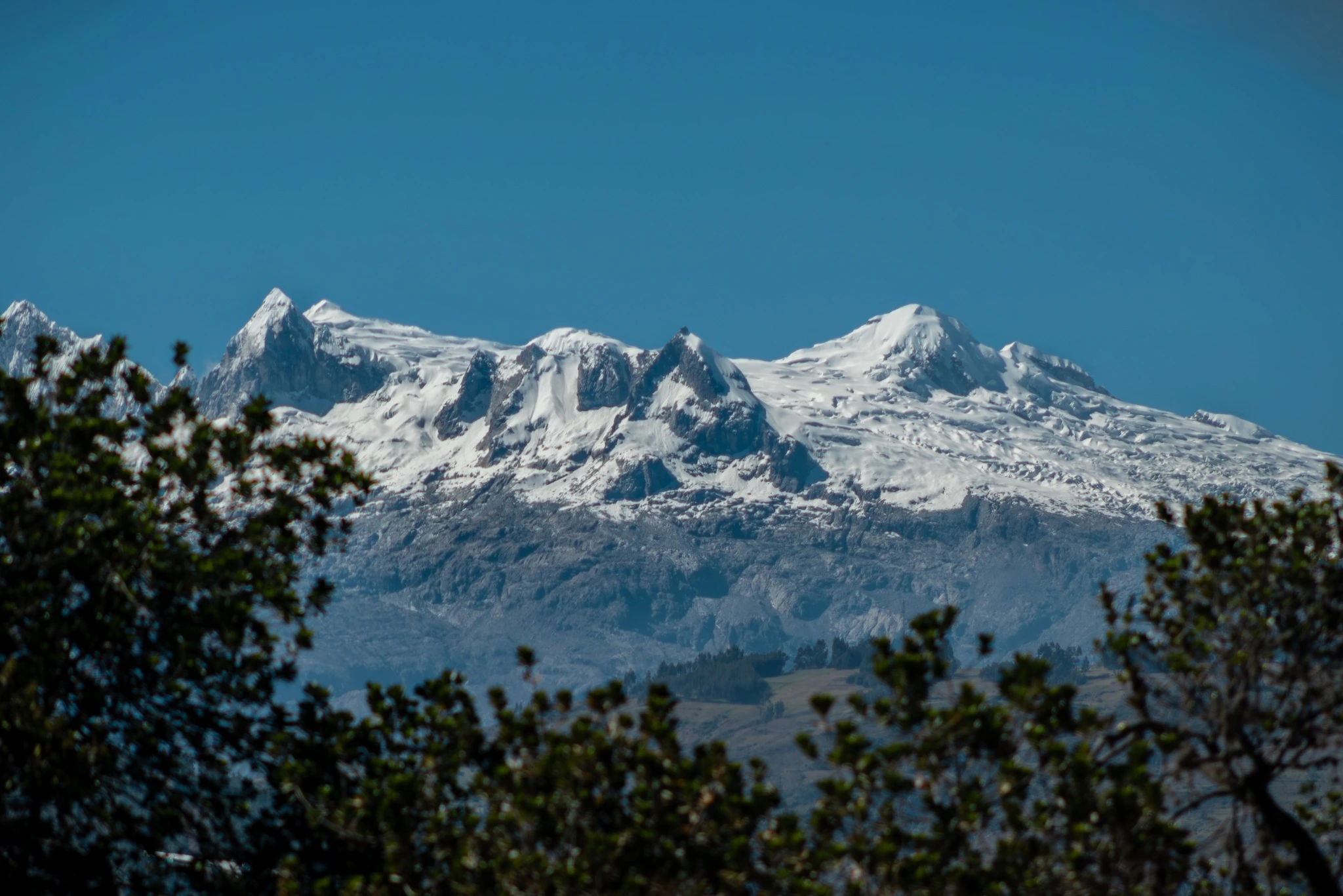
Huascarán
At 6,768 meters, Huascarán is Peru's highest mountain.
Climbing it is a demanding mountaineering expedition and should only be attempted by appropriately trained and experienced climbers with qualified support.
For most visitors, simply seeing Huascarán and the surrounding Cordillera Blanca is already an unforgettable Andes experience.
Is It Safe to Travel in the Andes?
For most visitors, traveling through established tourist destinations in the Andes can be a safe and rewarding experience when basic precautions are followed.
However, the mountains present some challenges that are different from those you might encounter in a city.
Altitude
Altitude is one of the most important considerations.
Do not underestimate how different your body may feel at 3,000 or 4,000 meters.
Allow time to acclimatize and avoid planning your most demanding activities immediately after arriving at high altitude.
Weather
Mountain weather can change quickly.
Rain, strong sun, wind and cold temperatures can occur within the same day.
Always check local conditions before hiking and carry appropriate clothing.
Hiking safety
Stay on established trails whenever possible and follow your guide's instructions.
If you are undertaking a demanding route, make sure someone knows your itinerary and expected return time.
For challenging treks and climbs, traveling with qualified professionals is strongly recommended.
Sun exposure
At high altitude, solar radiation can be intense.
Sunscreen, sunglasses and a hat are important even when the temperature feels cold.
What Should You Pack for a Trip to the Andes?
Packing for the Andes is all about layers and versatility.
Depending on your itinerary, consider bringing:
- Warm layers
- A fleece or sweater
- A waterproof or rain-resistant jacket
- Comfortable walking shoes
- Hiking shoes for trekking routes
- Sun protection
- Sunglasses
- Sunscreen
- A hatWarm gloves for high-altitude destinations
- A reusable water bottle
- A small daypack
- Personal medication
- A portable charger
- Basic personal toiletries
You do not necessarily need expensive technical equipment for a classic Peru itinerary.
However, if you are planning a serious trek or climbing expedition, your equipment requirements will be considerably greater.
What Animals Live in the Andes?
The Andes are home to an incredible variety of wildlife.
Some of the most recognizable animals include llamas, alpacas, vicuñas and Andean condors.
Llamas and alpacas
Llamas and alpacas have been part of Andean life for thousands of years.
They have traditionally been used for transportation, wool and other practical purposes, while alpaca fiber is particularly valued for its softness and warmth.
Vicuñas
Vicuñas are wild relatives of llamas and alpacas.
They are beautifully adapted to high-altitude environments and are known for producing one of the finest natural animal fibers in the world.
Seeing vicuñas in their natural environment can be a special experience during journeys through the high Andes.
Andean condor
The Andean condor is one of the most impressive birds associated with the region.
With an enormous wingspan, it can often be seen soaring above mountain valleys.
Spectacled bear
The spectacled bear is South America's only native bear species.
It lives in several Andean ecosystems, although spotting one in the wild requires considerable luck.
What Plants Grow in the Andes?
The variety of plants found throughout the Andes is closely connected to altitude and climate.
Different ecological zones support different vegetation.
At lower elevations, you may encounter greener forests and agricultural landscapes. Higher up, vegetation becomes more adapted to cold, wind and intense sunlight.
One of the most fascinating Andean plants is Puya raimondii, sometimes called the Queen of the Andes.
This enormous bromeliad can grow several meters tall and is famous for producing one of the largest flower structures in the plant kingdom.
Other characteristic high-altitude vegetation includes grasses and hardy plants adapted to the conditions of the Andean puna.
What Is Andean Culture Like?
You cannot truly understand the Andes without understanding the people who call them home.
Andean culture is incredibly diverse, but many communities share traditions shaped by their relationship with the mountains, agriculture and the natural environment.
Quechua culture
Quechua is one of the most important Indigenous languages of the Andes and remains widely spoken in Peru and other parts of South America.
The language is an important part of the cultural identity of many Andean communities.
Textiles
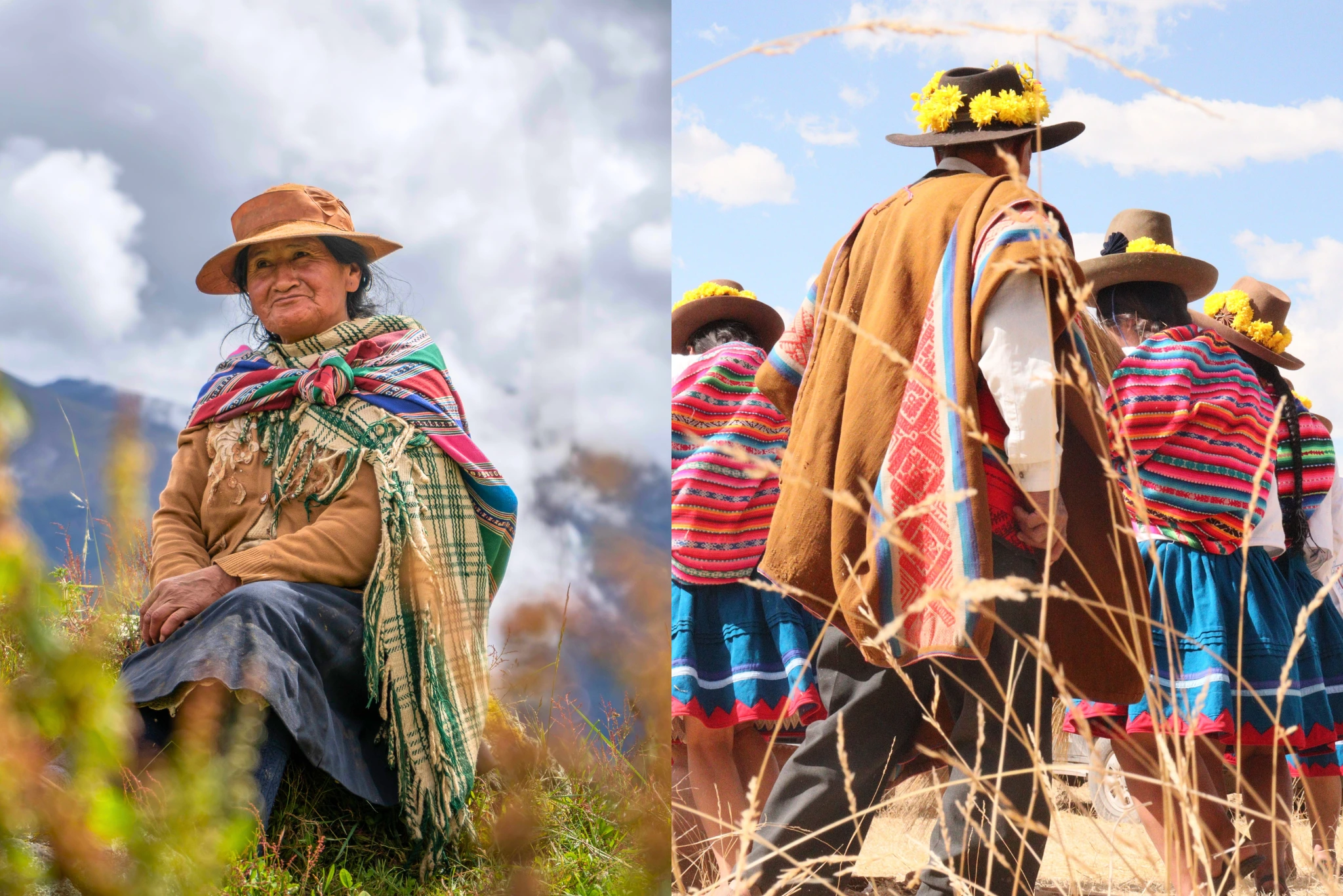
Traditional Andean textiles are famous for their intricate patterns and vibrant colors.
Weaving is not simply decorative. Textile traditions can communicate information about identity, community and heritage.
Visitors to the Sacred Valley and other parts of the Peruvian Andes may have opportunities to meet artisans and learn about traditional weaving techniques.
Festivals
Music, dance and religious celebrations are an important part of Andean life.
Many festivals combine Indigenous traditions with elements introduced during the colonial period, creating cultural celebrations that are unique to each community.
Agriculture
Agriculture remains central to many Andean communities.
Potatoes, corn, quinoa and other native crops have been cultivated in the region for centuries.
The Andes are actually considered one of the world's major centers of crop domestication, with an enormous diversity of potato varieties being one of the most famous examples.
Why Are the Andes Important for Biodiversity?
The Andes are one of the most biologically diverse mountain regions on Earth.
One major reason is their dramatic variation in elevation.
As altitude changes, so do temperature, rainfall, vegetation and habitat.
The eastern slopes of the Andes are particularly important because they transition into the Amazon Basin.
This creates a remarkable ecological gradient where ecosystems can change dramatically over relatively short distances.
For travelers visiting Peru, this means a single itinerary can potentially combine:
Pacific coastal desert → high Andes → cloud forest → Amazon rainforest.
Few destinations offer such a dramatic geographical transition.
Can You Visit the Andes Without Hiking?
Absolutely.
You do not need to be an experienced hiker to enjoy the Andes.
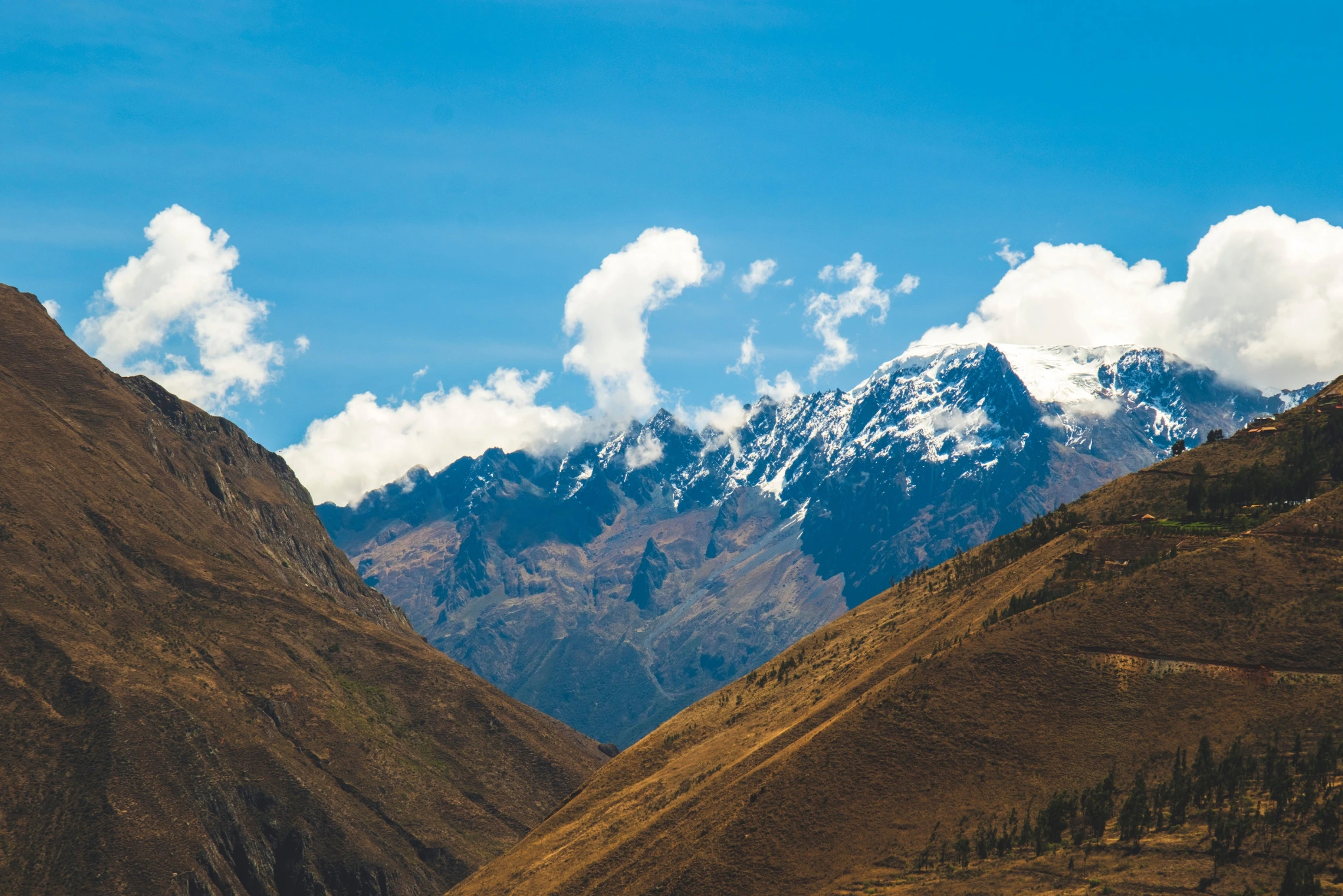
Many of Peru's most famous destinations can be visited through guided sightseeing tours, scenic drives and train journeys.
You can explore Cusco on foot at a relaxed pace, visit archaeological sites in the Sacred Valley, travel by train toward Machu Picchu or discover the landscapes around Lake Titicaca without undertaking a multi-day trek.
The Andes can be adventurous, but they can also be peaceful.
Sometimes the best experience is simply sitting somewhere quiet, looking at the mountains and watching daily life unfold around you.
Can Families Travel to the Andes?
Yes.
Families can enjoy many Andean destinations, although itineraries should be adapted to the children's ages and the altitude of each location.
A family trip does not need to include strenuous trekking.
Cultural experiences, scenic train journeys, archaeological sites and short walks can provide wonderful ways for children to discover the Andes without making the journey unnecessarily exhausting.
The most important thing is to allow enough time for rest and acclimatization, particularly when visiting high-altitude destinations.
How Can You Travel Responsibly in the Andes?
Traveling responsibly is particularly important in mountain environments.
The Andes are home to fragile ecosystems and communities with strong cultural traditions.
A few simple choices can make your journey more respectful.
Support local communities
Choose local guides, artisans, restaurants and community-based experiences whenever possible.
Respect cultural traditions
Always ask permission before photographing people, particularly in Indigenous communities.
Protect archaeological sites
Do not climb on structures, touch fragile surfaces or remove anything from archaeological sites.
Reduce waste
Carry reusable water bottles and avoid leaving plastic or other waste on hiking trails.
Respect wildlife
Observe animals from an appropriate distance and never feed wild animals.
Stay on trails
Following designated paths helps reduce erosion and protects fragile mountain vegetation.
Responsible tourism is not about traveling perfectly. It is about making thoughtful choices that help protect the places and communities you came to experience.
What Makes the Andes Different From Other Mountain Ranges?
The Andes are extraordinary not only because of their size or altitude, but because of the relationship between mountains, people and history.
The Himalayas are famous for their extreme peaks. The Alps are known for their landscapes and mountain villages. The Rockies offer enormous wilderness areas.
The Andes have their own unique character.
Here, you can walk through landscapes where ancient agricultural terraces are still visible, visit communities where Indigenous languages remain part of everyday life, explore archaeological sites built centuries ago and travel through ecosystems ranging from desert to rainforest.
In Peru especially, the mountains are deeply intertwined with the country's identity.
That is what makes an Andes journey so much more than a mountain vacation.
FAQs About the Andes
Are the Andes older than the Himalayas?
The Andes and Himalayas have different geological histories, and comparing their ages is more complicated than simply saying that one range is “older.” The Andes have been shaped by tectonic processes over very long geological periods, while the Himalayas formed from the collision of the Indian and Eurasian tectonic plates.
Are the Andes volcanic?
Yes. Volcanic activity is an important part of Andean geology, particularly along sections of the range associated with the subduction of the Nazca Plate beneath the South American Plate.
Countries such as Peru, Ecuador, Chile and Argentina have numerous volcanoes associated with the Andes.
Do people live in the Andes?
Yes. Millions of people live throughout the Andes, from mountain cities to rural communities at very high elevations.
People have adapted their agriculture, architecture, clothing and daily life to the mountain environment over thousands of years.
What is the Altiplano?
The Altiplano is a vast high plateau in the central Andes, particularly associated with Peru and Bolivia.
It contains some of the highest inhabited landscapes in South America and includes Lake Titicaca.
What is the highest city in the Andes?
There is no single universally accepted answer because the Andes contain numerous settlements at very high elevations, and classifications of what constitutes a “city” vary.
However, several towns and cities in Peru and Bolivia are located at elevations well above 3,500 meters.
Is Machu Picchu in the Andes?
Yes. Machu Picchu is located in the eastern Andes of southern Peru, in a transitional environment between high mountain landscapes and the tropical cloud forest.
Its extraordinary location is one of the defining characteristics of the archaeological site.
Can you travel through the Andes by train?
Yes. Train travel is one of the most comfortable ways to experience certain parts of the Peruvian Andes.
Several scenic rail routes connect destinations in the Cusco region with Machu Picchu, allowing travelers to enjoy mountain and valley landscapes without undertaking a multi-day trek.
What is the difference between trekking and climbing in the Andes?
Trekking generally involves walking along established mountain routes and does not necessarily require technical climbing skills.
Mountaineering or climbing high Andean peaks can involve glaciers, ropes, specialized equipment and technical skills.
The level of preparation required therefore varies enormously depending on the route.
Do you need a guide in the Andes?
It depends on the activity.
Independent sightseeing is possible in many destinations, while certain trekking routes, protected areas and high-altitude expeditions may require or strongly recommend professional guides.
For challenging hikes and climbing expeditions, an experienced guide can be an important part of staying safe.
Is Peru the best country to visit the Andes?
There is no objective “best” country because each part of the Andes offers a different experience.
However, Peru is particularly attractive to travelers who want to combine mountain landscapes, ancient civilizations, archaeology, Indigenous culture, trekking and iconic destinations such as Machu Picchu in one journey.
Ready to Discover the Andes?
The Andes are one of those places that are difficult to understand from a photograph alone.
You need to feel the change in altitude, see the mountains rising above the valleys, walk through ancient landscapes, meet the people who continue to call these mountains home and discover how deeply the Andes are woven into Peru's history and culture.
Whether you dream of exploring Machu Picchu and the Sacred Valley, hiking through the Cordillera Blanca, discovering Lake Titicaca, experiencing Andean communities or simply taking in Peru's spectacular mountain landscapes, there is an Andes experience waiting for you.
At Peruvian Sunrise, we design personalized journeys through Peru according to your interests, travel style and pace.
Let us take care of the details while you focus on discovering the mountains, culture and stories that make Peru so special.
Ready to experience the Andes for yourself? Contact Peruvian Sunrise and start planning your personalized journey through Peru.