

Peru is one of the world’s most iconic destinations for outdoor adventures. From the dramatic peaks of the Andes to ancient stone paths leading to lost cities, travelers often ask us the same question: what’s the difference between trekking and hiking and which one should I choose in Peru?
Hello, Dear reader! This guide is based on our on-the-ground experience working with certified guides, porters, and local communities. Whether you’re considering the Inca Trail, Salkantay, or a scenic day hike, this article will help you understand the difference between hiking and trekking and choose the right adventure for you.
What is Hiking?
When people ask “what is hiking?”, the simplest answer is this:
Hiking is usually a shorter walk on marked trails, often completed in one day.
It can range from an easy nature walk to a challenging mountain route, but it typically:
- Lasts a few hours to one full day
- Follows well-marked paths
- Does not require overnight camping
- Requires lighter gear
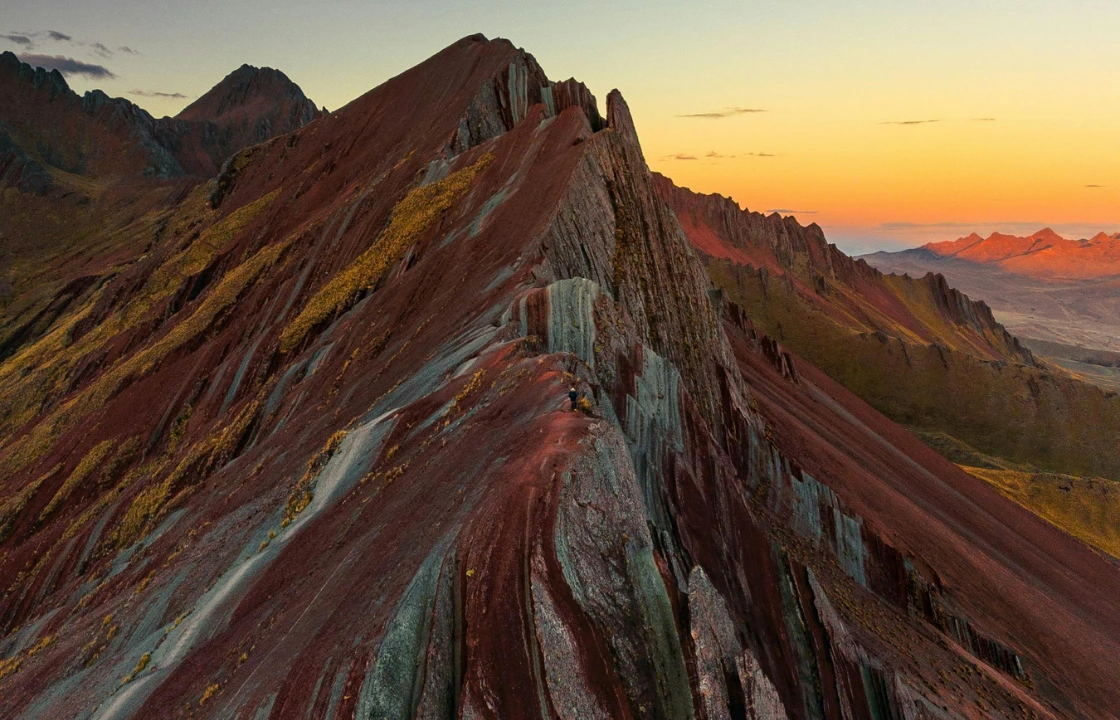
Where can I Hike in Peru?
In Peru, popular hiking routes include:
- Rainbow Mountain (Vinicunca)
- Humantay Lake
- Short sections of the Sacred Valley trails
- Day hikes around Cusco
Many travelers also compare hiking vs walking. Walking usually refers to flat, urban, or casual routes, while hiking involves uneven terrain, elevation gain, and natural trails. In Peru, even a “short hike” can mean hiking above 4,000 meters (+13000 ft), so altitude always matters.
Trekking Meaning: What Does Trekking Actually Involve?
The trekking meaning goes beyond a simple walk in nature.
Trekking typically refers to a multi-day journey through remote or mountainous regions, often involving camping and carrying gear.
Unlike hiking, trekking:
- Lasts multiple days
- Includes overnight stays (camping or lodges)
- Covers longer distances
- Often involves higher physical demand
- Requires more technical preparation
In Peru, trekking is deeply connected to cultural and historical routes, especially those built during the Inca civilization.
Trekking vs Hiking: The Core Difference
The difference between hiking and trekking can be summarized like this:
| Hiking | Trekking |
Usually one day | Multi-day journey |
Lighter gear | Full equipment required |
Easier logistics | Organized support often needed |
Less remote | Often remote and mountainous |
Lower physical commitment | Higher endurance required |
However, in Peru, the lines sometimes blur. A “hike” to Rainbow Mountain at high altitude can feel harder than a low-altitude trek elsewhere in the world.
That’s why understanding the local context of Peru is essential.
Hiking in Peru: Ideal for Short Adventures
If you’re short on time or adjusting to altitude, hiking in Peru is a great starting point.
Around Cusco, we often recommend:
- Acclimatization hikes in the Sacred Valley
- Lake hikes such as Humantay
- Cultural walking routes through Andean communities
Hiking allows you to enjoy Peru’s landscapes without committing to several days of camping. It’s perfect for families, couples, or travelers combining adventure with cultural tours.
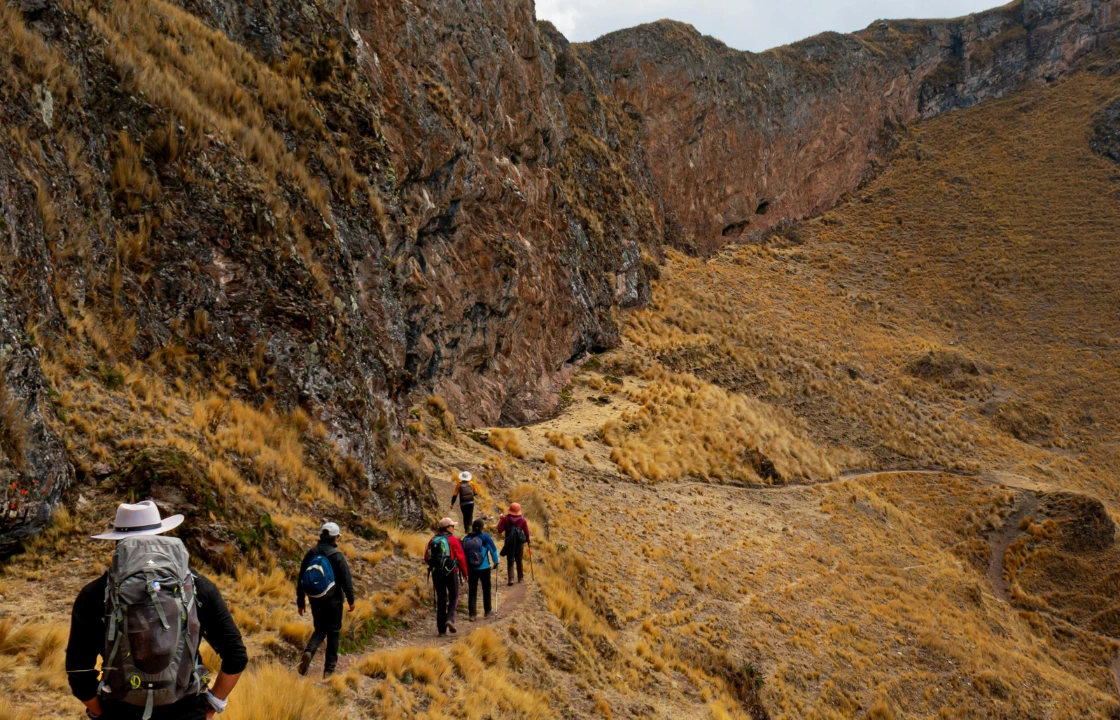
Trekking in Peru: The Legendary Routes
When people think of trekking in Peru, they usually imagine one thing:
The Inca Trail
The classic Inca Trek (Inca Trail) is a 4-day trek leading to Machu Picchu. It includes ancient stone stairways, cloud forests, and archaeological sites along the route. It’s regulated and requires permits, guides, and porters.
Salkantay Trek
The Salkantay trek is another famous multi-day route. It is more physically demanding and reaches higher altitudes than the Inca Trail. It passes glaciers, mountain passes above 4,600 meters, and diverse ecosystems before arriving near Machu Picchu.
Both are true trekking experiences: multi-day, immersive, physically challenging, and culturally rich.
Trekking Shoes vs Hiking Shoes: What Should You Wear in Peru?
Choosing the right footwear is critical in the Andes.
Hiking Shoes
- Lighter
- More flexible
- Ideal for day hikes
- Good for dry, well-maintained trails
Trekking Shoes or Boots
- Sturdier
- Better ankle support
- Designed for carrying heavier loads
- More durable for multi-day terrain
When comparing trekking boots vs hiking boots, the difference lies mostly in support and durability. In high-altitude Peruvian terrain with rocky paths and uneven stone steps, trekking boots are usually recommended for multi-day routes.
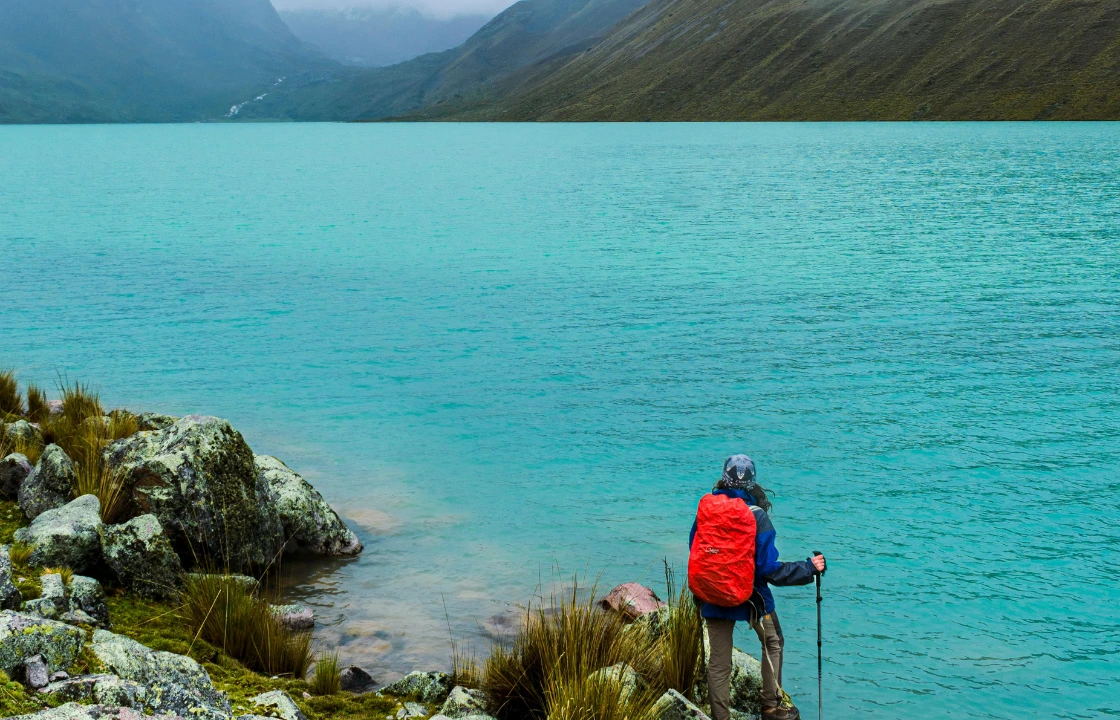
Hiking Staff vs Trekking Pole: Are They the Same?
Many travelers ask about hiking staff vs trekking pole.
- A hiking staff is typically a single stick used for balance.
- Trekking poles are usually used in pairs and are adjustable.
In Peru’s steep ascents and descents — especially on routes like Salkantay — trekking poles reduce knee impact and improve stability. For high-altitude trekking, we strongly recommend adjustable trekking poles.
Is Trekking Harder than Hiking in Peru?
In general, yes.
But altitude changes everything.
Cusco sits at 3,400 meters (11,150 ft). Even a moderate hike can feel intense if you’re not acclimatized. Trekking adds multiple days of effort, longer distances, and camping logistics.
At Peruvian Sunrise, we always:
- Schedule acclimatization days
- Monitor weather conditions
- Provide experienced local guides
- Ensure emergency protocols are in place
Safety and preparation are essential for both hiking and trekking in Peru.
Which One Should You Choose?
Choose hiking if:
- You prefer shorter adventures
- You’re limited on time
- You’re adjusting to altitude
- You want a mix of comfort and nature
Choose trekking if:
- You want a deeper immersion
- You’re ready for a physical challenge
- You love multi-day adventures
- Machu Picchu through a mountain route is on your bucket list
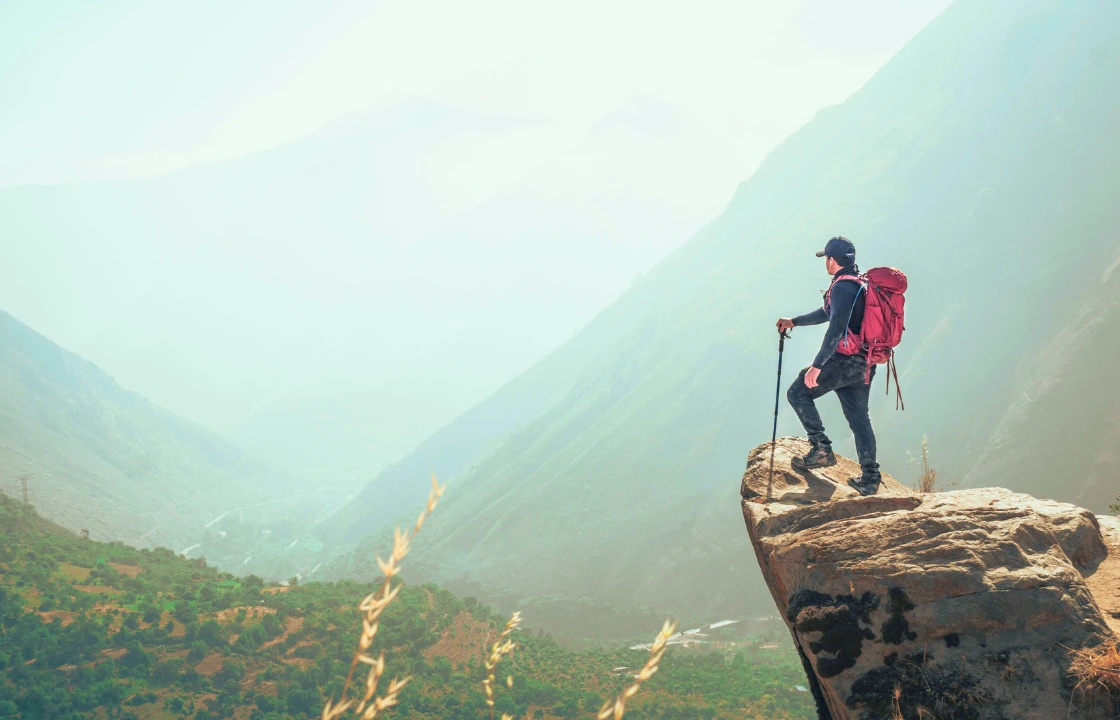
Why Trekking and Hiking in Peru Are Unique
Peru isn’t just about landscapes — it’s about living history.
You walk on ancient Inca pathways. You pass through indigenous Andean communities. You see glaciers, cloud forests, and high-altitude lagoons in a single journey.
Very few countries combine culture, archaeology, biodiversity, and dramatic mountain terrain the way Peru does.
Travel With Peruvian Sunrise
At Peruvian Sunrise, we specialize in responsible travel and small-group adventures across Peru. Our local expertise in Cusco and the Andes allows us to design both hiking and trekking experiences tailored to your fitness level and travel style.
Whether you’re planning your first day hike or preparing for a multi-day trek like Salkantay or the Inca Trail, we’re here to guide you every step of the way.
Ready to explore Peru on foot?
Contact Peruvian Sunrise and let’s plan your perfect hiking or trekking adventure in the Andes.