
While most of the world marks the end of the holiday season on January 1st, Peruvians keep the magic alive until January 6th. Epiphany or Three Kings Day represents a cultural blend of many things, including a long-standing belief in Catholicism, Andean heritage, and coastal civilization, creating a great cultural richness that exists in this country.
Hello, Dear reader! If you are considering traveling to Peru in early January, now is your opportunity to experience the most authentic aspect of the country. Both Lima's historic districts and the high-altitude plazas of Cusco will give you insight into Peru's history and culture during this time.
What is the Meaning of Bajada de Reyes?
The term "Bajada de Reyes" translates to "Descent of the Kings," and refers to the day that commemorates the three wise men arriving in Bethlehem: Gaspar, Melchor, and Balthazar. The reason why Bajada is used instead of other words is because, in Peru, when you come to the end of the Christmas holidays and take down your nacimiento, it is done collectively. This gathering takes place with preparations, such as setting up altars and lighting candles, music and singing, and celebrating together as a community to remove the figures of the Baby Jesus and King from the nacimiento.
How is Bajada de Reyes Celebrated in Peru?
1. The Mounted Kings in Historic Lima
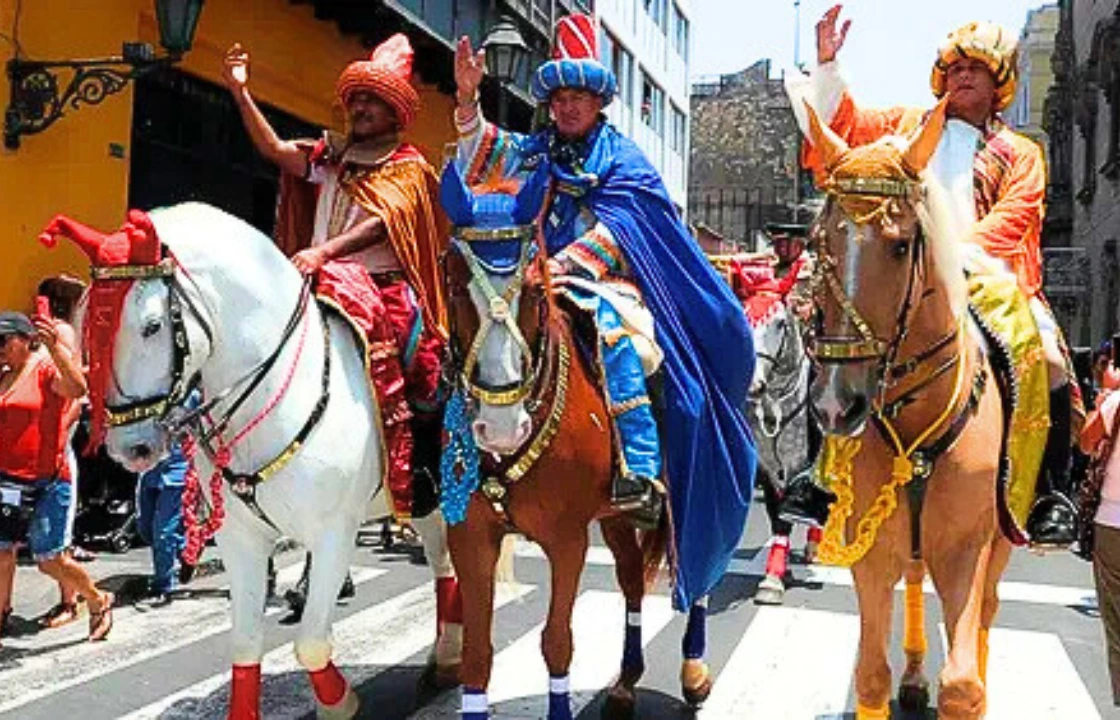
In the capital city, the Bajada de Reyes in Lima takes on a grand, official tone. Every year, three members of the National Police dress as the Wise Men and ride beautiful Peruvian Paso horses through the city center. They visit the Government Palace and the Municipalidad de Lima, carrying gifts and spreading cheer to thousands of onlookers. It is a spectacular sight that combines colonial history with national pride.
2. The Blessing of Niño Manuelito in Cusco
In the Andes, specifically in Cusco, the focus is on the Niño Manuelito (the local name for Baby Jesus). On January 6th, locals bring their beautifully crafted religious icons to the churches to be blessed. You will see artisans in the San Blas neighborhood selling miniature clothing and intricate accessories to "renew" the icons for the new year.
3. The Vibrant Dances of the Sacred Valley
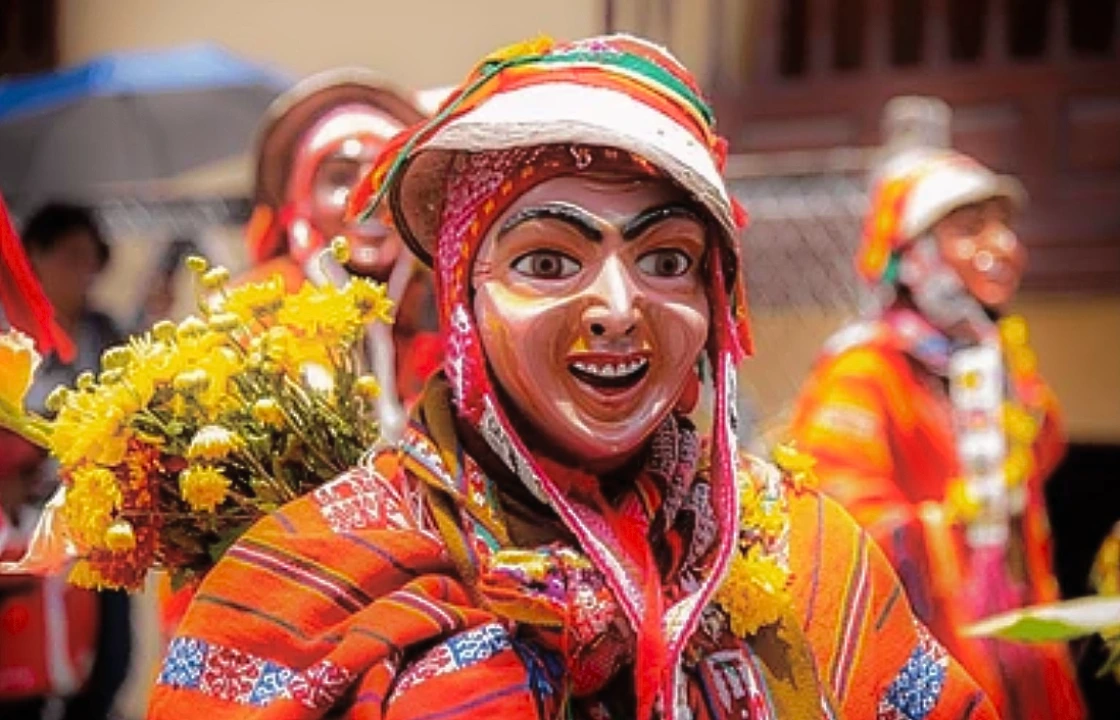
If you find yourself in Ollantaytambo, the celebration is even more intense. The Bajada de Reyes here involves colorful processions where indigenous communities descend from the mountains with traditional music and dances, such as the Huallata, celebrating the harmony between the Catholic faith and the natural Andean world.
Traditional Food: The Rosca de Reyes
No Three Kings Day in Peru is complete without the Rosca de Reyes. This ring-shaped sweet bread is decorated with dried fruits and sugar.
The Hidden Surprise: A tiny plastic figure of Baby Jesus is hidden inside.
The Tradition: If your slice contains the figure, you are named the "godparent" and are expected to host the next family gathering or provide the food for the next celebration!
Why visit Peru in January?
January is a fantastic time for travelers who want to experience "The Real Peru."
Cultural Immersion: You’ll see traditions that haven't changed for centuries.
Festive Atmosphere: The energy in the plazas is contagious and welcoming to foreigners.
Beautiful Landscapes: In the highlands, the rains turn the mountains an incredible, vibrant green, perfect for photography. In the coast, its sunny and the season of beautiful sunsets.
Experience Peru's traditions with Peruvian Sunrise
At Peruvian Sunrise, we believe that travel is about more than just sightseeing, it's about connection. We specialize in creating high-end, authentic experiences that bring you face-to-face with the living culture of our country.
Whether you want to witness the horse-mounted Kings in Lima or the spiritual processions in the heart of the Sacred Valley, we ensure your journey is seamless, comfortable, and deeply meaningful.
Don't just visit Peru, live its traditions. Contact Peruvian Sunrise today and let us design an unforgettable January itinerary tailored just for you!