
Hello, Dear reader! When travelers think of Peru, iconic destinations such as Machu Picchu, Cusco, and the Sacred Valley often come to mind. Yet beyond the country's breathtaking landscapes lies another fascinating world: the extraordinary treasures created by the civilizations that flourished in the Andes thousands of years ago.
Long before the rise of the Inca Empire, cultures such as Chavín, Paracas, Moche, Lambayeque, and Sicán developed sophisticated artistic traditions, religious beliefs, and technological innovations. Their legacy survives in monumental sculptures, intricate textiles, ceremonial objects, and precious treasures that continue to captivate visitors today.
Whether displayed in museums or preserved at archaeological sites, these ancient masterpieces offer a deeper understanding of Peru's rich cultural heritage. Here are ten extraordinary treasures that reveal the ingenuity, beliefs, and artistic achievements of the civilizations that shaped ancient Peru.
1. The Raimondi Stele
The Raimondi Stele is one of the most celebrated masterpieces of the Chavín civilization, one of the earliest major cultures in the Andes. Carved from a single granite slab, the monument depicts a powerful deity holding ceremonial staffs and surrounded by intricate symbolic imagery.
What makes the stele particularly fascinating is its visual complexity. Through a technique known as contour rivalry, different figures appear depending on the angle from which it is viewed. Even today, archaeologists continue to study its symbolism and meaning.
Where to See This Ancient Treasure in Peru
The stele was originally discovered at Chavín de Huántar in the Ancash region. Today, travelers can admire it at the National Museum of Archaeology, Anthropology and History in Lima.
2. The Cabezas Clavas
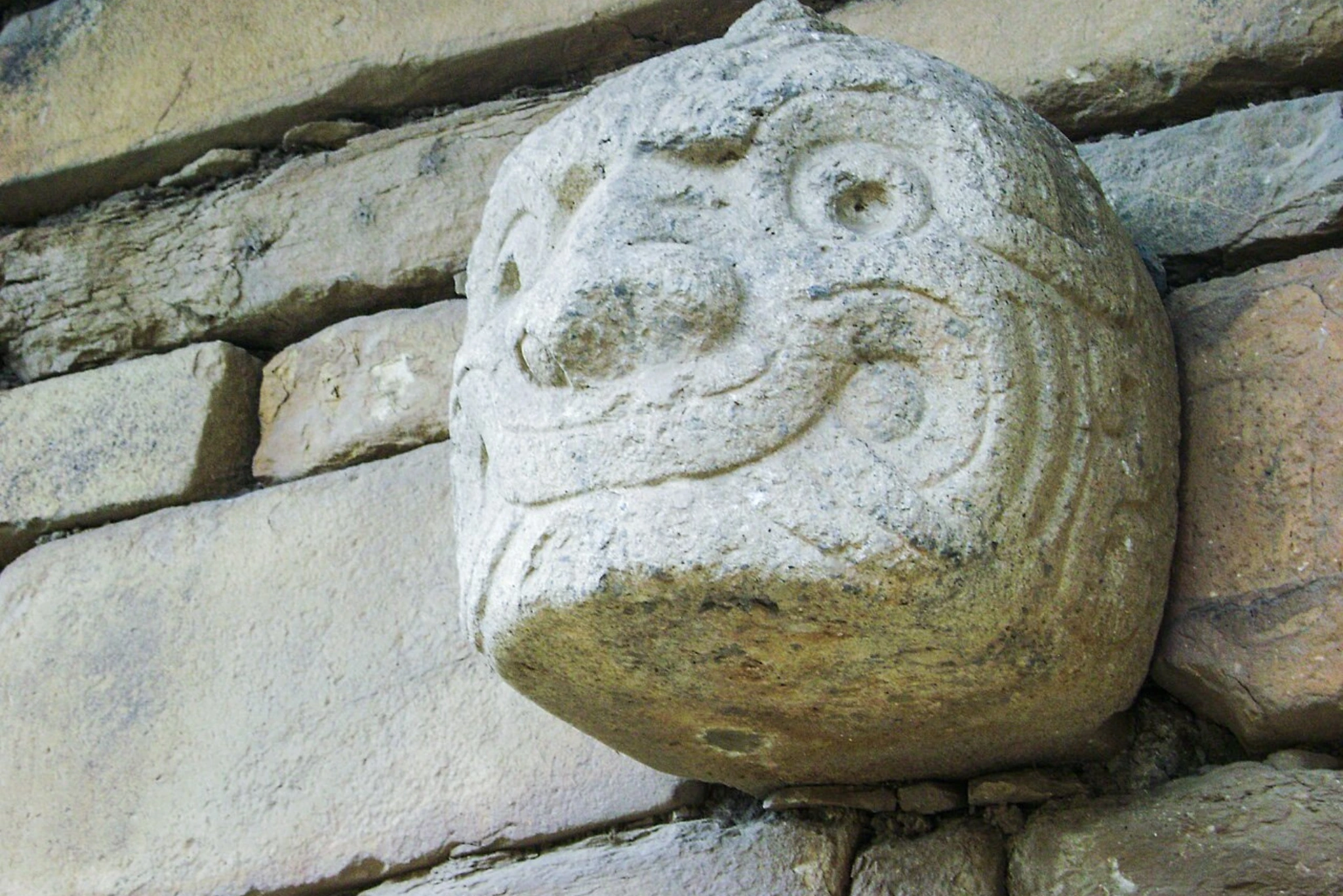
The Cabezas Clavas or the Chavín Heads are striking stone sculptures once projected from the walls of Chavín temples. Each head displays unique features, ranging from human expressions to feline fangs and serpent-like characteristics.
Their purpose remains one of the great mysteries of Andean archaeology. Some researchers believe they represented spiritual transformation, while others suggest they symbolized protective beings or revered ancestors.
Where to See This Ancient Treasure in Peru
The original heads were discovered at Chavín de Huántar. Several examples are preserved in museums, while visitors to the archaeological site can learn how they were once integrated into the temple's architecture.
3. The Lanzón Monolith
Hidden within the ancient galleries of Chavín de Huántar, the Lanzón Monolith served as the spiritual center of one of the most important ceremonial complexes in ancient Peru.
Standing more than four meters tall, the granite sculpture combines human, feline, and serpent features into a powerful supernatural figure. Archaeologists believe it played a central role in religious rituals that attracted pilgrims from across the Andes.
Where to See This Ancient Treasure in Peru
Unlike many artifacts that have been moved to museums, the Lanzón Monolith remains in its original location inside the Chavín de Huántar archaeological complex.
4. The Tello Obelisk
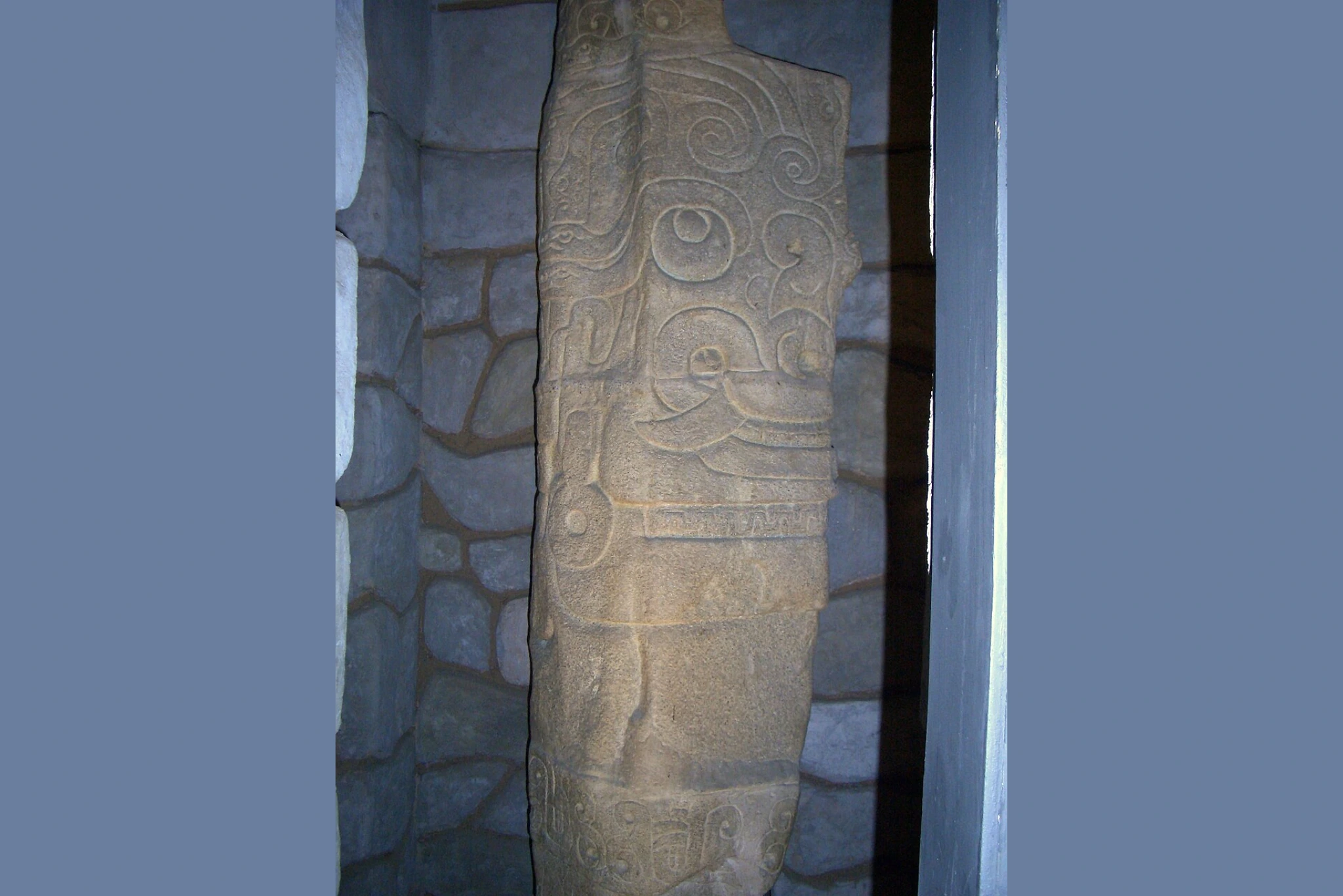
The Tello Obelisk is considered one of the most complex and enigmatic monuments ever created in ancient Peru. Covered with elaborate carvings of animals, plants, and mythical beings, it offers valuable insight into the religious beliefs of the Chavín civilization.
Its detailed imagery is so intricate that experts continue to debate the exact meaning of many of its symbols.
Where to See This Ancient Treasure in Peru
Originally discovered at Chavín de Huántar, the obelisk is currently housed at the National Museum of Archaeology, Anthropology and History in Lima.
5. The Ceremonial Tumi
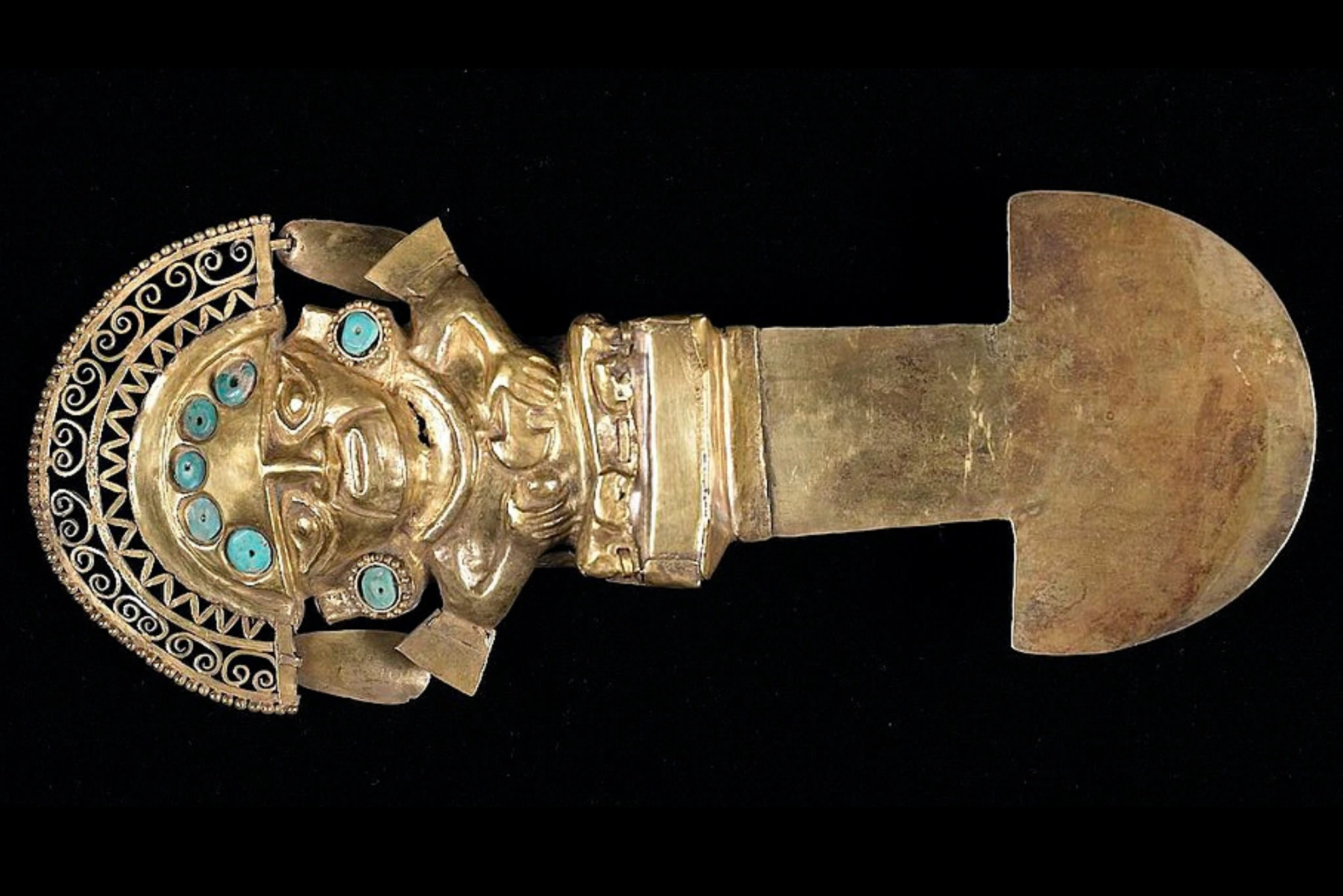
The Tumi is one of Peru's most recognizable cultural symbols. This ceremonial knife, often associated with the Lambayeque and Sicán cultures, features a distinctive semi-circular blade and an elaborately decorated handle.
While many people associate the Tumi with ancient medicine, archaeologists believe it was also used in rituals, ceremonies, and elite burials. Its elegant design showcases the exceptional metalworking skills of Peru's northern coastal civilizations.
Where to See This Ancient Treasure in Peru
Ancient Tumis can be found in museums throughout Peru, particularly in Lambayeque, Chiclayo, and Lima.
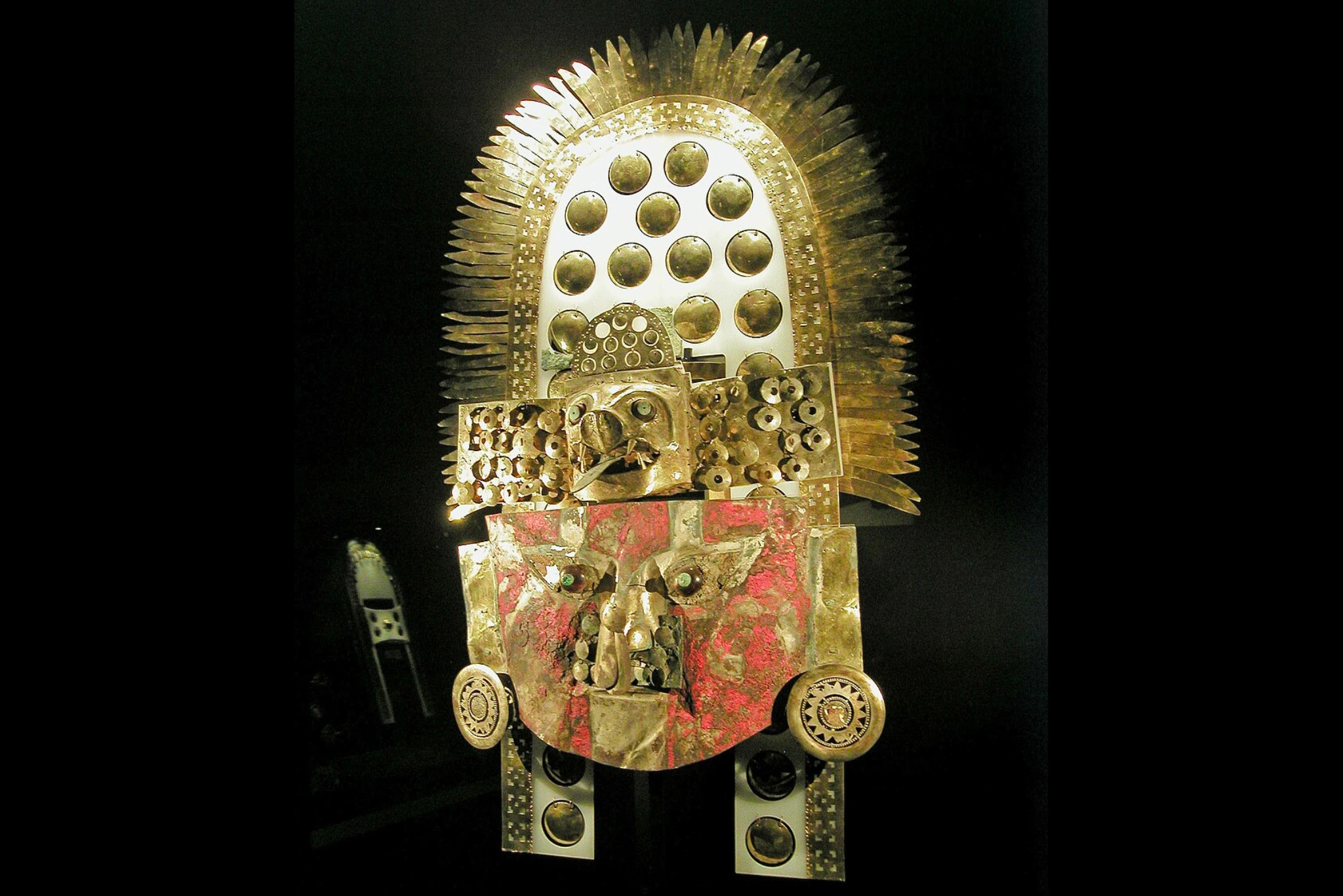
6. The Mask of the Lord of Sicán
The Mask of the Lord of Sicán is among the finest examples of pre-Columbian goldwork ever discovered in South America. Crafted from gold and other precious materials, the mask reflects the wealth, power, and religious significance of one of northern Peru's most influential rulers.
Its distinctive almond-shaped eyes and sophisticated design demonstrate the remarkable artistic achievements of the Sicán civilization.
Where to See This Ancient Treasure in Peru
Travelers can see the famous mask at the National Sicán Museum in Ferreñafe, near Chiclayo.
7. The Crown of the Lord of Sipán
The Crown of the Lord of Sipán is one of the most extraordinary artifacts discovered in the royal tomb of this powerful Moche ruler. Crafted from precious metals and adorned with symbolic motifs, it served as a visible representation of authority and status.
The discovery of the Lord of Sipán's tomb revolutionized our understanding of ancient Peru and remains one of the most important archaeological finds in the Americas.
Where to See This Ancient Treasure in Peru
The crown is displayed at the Royal Tombs of Sipán Museum in Lambayeque, one of Peru's premier archaeological museums.
8. The Paracas Mantles
The Paracas Mantles are among the most impressive textiles ever created in the ancient world. Featuring intricate embroidery and vibrant colors, many have survived for more than 2,000 years in extraordinary condition.
The level of craftsmanship displayed in these textiles continues to amaze historians, archaeologists, and textile specialists around the world.
Where to See This Ancient Treasure in Peru
Many important Paracas textiles are preserved in museums in Lima, while visitors to Peru's southern coast can learn more about the culture in Paracas and Ica.
9. The Inca Quipus
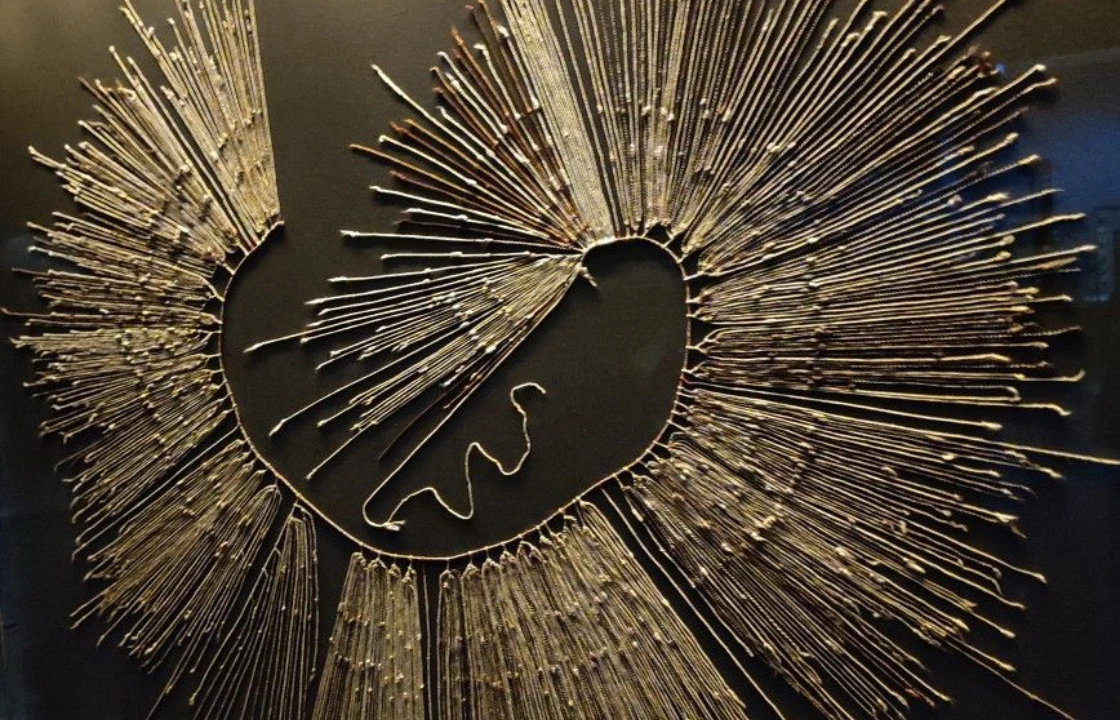
Long before written alphabets were introduced to the Andes, the Inca developed an ingenious recording system known as the quipu.
Using colored cords and carefully tied knots, officials could organize information related to taxes, population counts, agricultural production, and administrative affairs across a vast empire. Researchers continue to study surviving quipus, and some believe they may contain more complex information than previously understood.
Where to See This Ancient Treasure in Peru
Important quipu collections can be found in museums in Lima, Cusco, and other regions that formed part of the Inca Empire.
10. The Ear Spools of the Lord of Sipán
Among the most striking objects discovered in the tomb of the Lord of Sipán are his elaborate ear spools. These ornaments were worn by elite individuals and symbolized power, prestige, and social rank.
Made from precious metals and decorated with intricate details, the ear spools demonstrate the extraordinary craftsmanship achieved by Moche artisans over 1,500 years ago.
Where to See This Ancient Treasure in Peru
The ear spools can be viewed alongside other treasures of the Lord of Sipán at the Royal Tombs of Sipán Museum in Lambayeque.
Why These Ancient Treasures Matter
Peru's archaeological heritage extends far beyond its famous ruins. These treasures reveal the creativity, spirituality, and ingenuity of civilizations that flourished long before the modern era. Together, they tell a story of innovation, belief, artistic excellence, and cultural achievement spanning thousands of years.
For travelers interested in archaeology, history, and culture, discovering these treasures offers a deeper understanding of Peru and the civilizations that helped shape one of the world's richest cultural landscapes.
FAQs
What is the most famous ancient treasure in Peru?
While Machu Picchu is Peru's most famous archaeological site, artifacts such as the Raimondi Stele, the Lord of Sipán's treasures, and the Paracas Mantles are among the country's most significant cultural treasures.
Which ancient Peruvian civilization was known for its goldwork?
Several cultures excelled in metallurgy, but the Moche, Sicán, and Lambayeque civilizations are particularly famous for producing elaborate gold masks, crowns, jewelry, and ceremonial objects.
Are Peru's most important archaeological treasures located in museums?
Many are preserved in museums to ensure their protection, while others remain at archaeological sites where visitors can experience them in their original historical setting.
Why are ancient Peruvian textiles considered among the finest in the world?
Ancient textiles from cultures such as Paracas demonstrate exceptional craftsmanship, intricate symbolism, and vibrant colors that have survived for more than two millennia.
Can travelers explore archaeological sites beyond Machu Picchu?
Absolutely. Peru is home to countless archaeological destinations, including Chavín de Huántar, Caral, Chan Chan, Kuélap, and the royal tombs of northern Peru, each offering unique insights into the country's ancient civilizations.