
Hello, Dear reader! If you have ever searched for superfoods, chances are Peru has already crossed your screen. Quinoa bowls, maca powders, cacao smoothies. They are everywhere. But here is the truth that rarely gets told online: most people have only tasted the processed, exported version of these foods.
In Peru, superfoods are not trends. In some parts, they are part of daily life, ancestral knowledge, and local ecosystems that have existed for thousands of years. To truly understand their benefits, flavor, and cultural meaning, you need to experience them where they come from.
In this article, we will discover Peru through food that nourishes the body, supports wellness, and connects you with the land and the people who have protected these ingredients for generations.
1. Quinua: The Grain the World Knows, but Rarely Understands
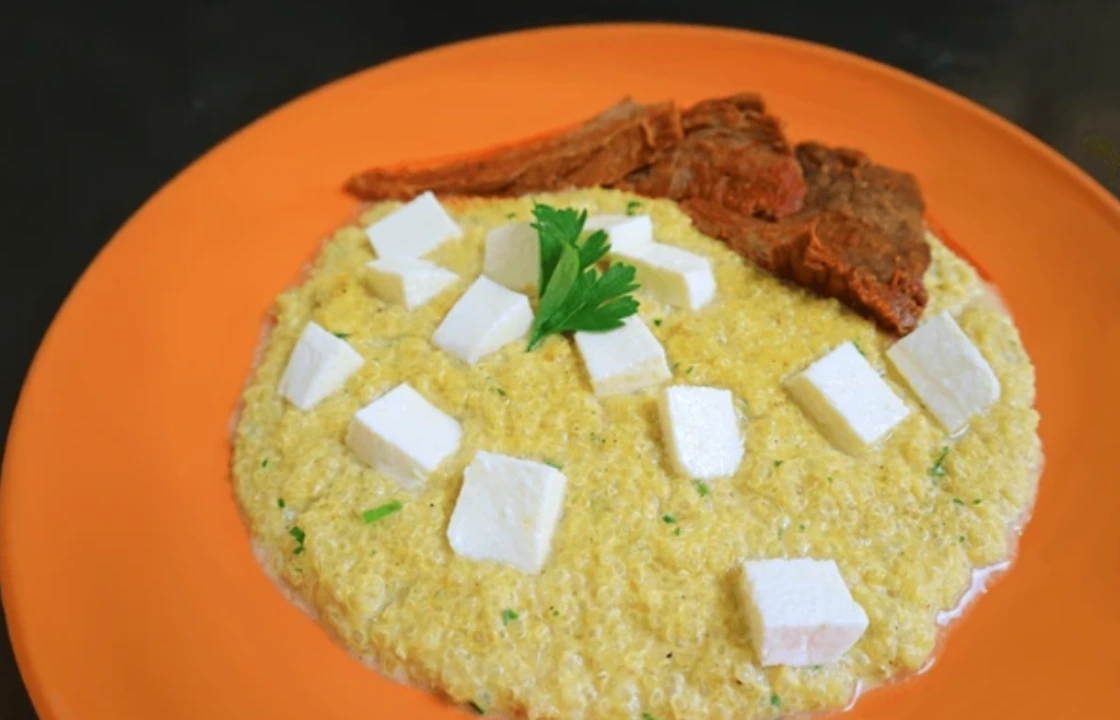
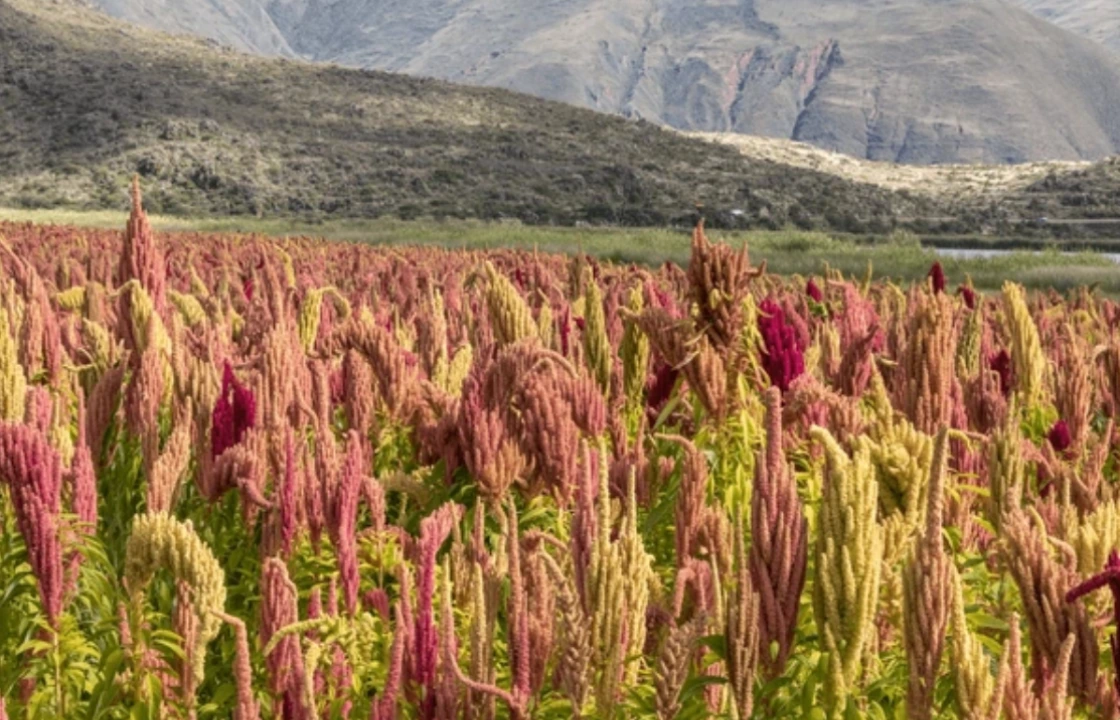
Quinua or "quinoa" is often called a superfood, but in the Andean highlands it is simply food. Farmers in regions like Cusco, Puno, and Ayacucho have cultivated quinoa for over 5,000 years, long before it became popular in health stores abroad.
What makes quinoa in Peru different is freshness and variety. While supermarkets usually sell one type, Peru has more than 3,000 native varieties, each with its own texture, taste, and nutritional profile.
Traveling through the Andes allows you to eat quinoa in its most authentic form: freshly harvested, naturally washed, and cooked in traditional soups, stews, and breakfast porridges. You also learn how communities rotate crops, protect biodiversity, and farm at extreme altitudes where few plants can survive.
Quinoa is not just protein. It is resilience, culture, and a deep connection to the land.
2. Yacon and Tarwi: The Andes’ Answer to Gut Health
Gut health is one of the strongest wellness trends in Europe and North America, and for good reason. What many travelers do not know is that Peru has been supporting digestive health naturally for centuries.
Yacon is a sweet root rich in prebiotics, especially "fructooligosaccharides" that nourish beneficial gut bacteria. Tarwi, also known as chocho, is a powerful Andean legume packed with protein and fiber once properly prepared.
In Andean communities near Huaraz and Cusco, these foods are eaten fresh, not as supplements. Yacon is enjoyed raw or as a natural syrup, while tarwi is used in salads, stews, and traditional dishes after a careful detox process passed down through generations.
Traveling through these regions allows visitors to understand food as functional nourishment, not a marketing concept. You do not just eat better, you feel better.
3. Cacao: From Sweet Treat to Sacred Medicine
Chocolate as the world knows it is mostly sugar. Cacao in Peru is something entirely different.
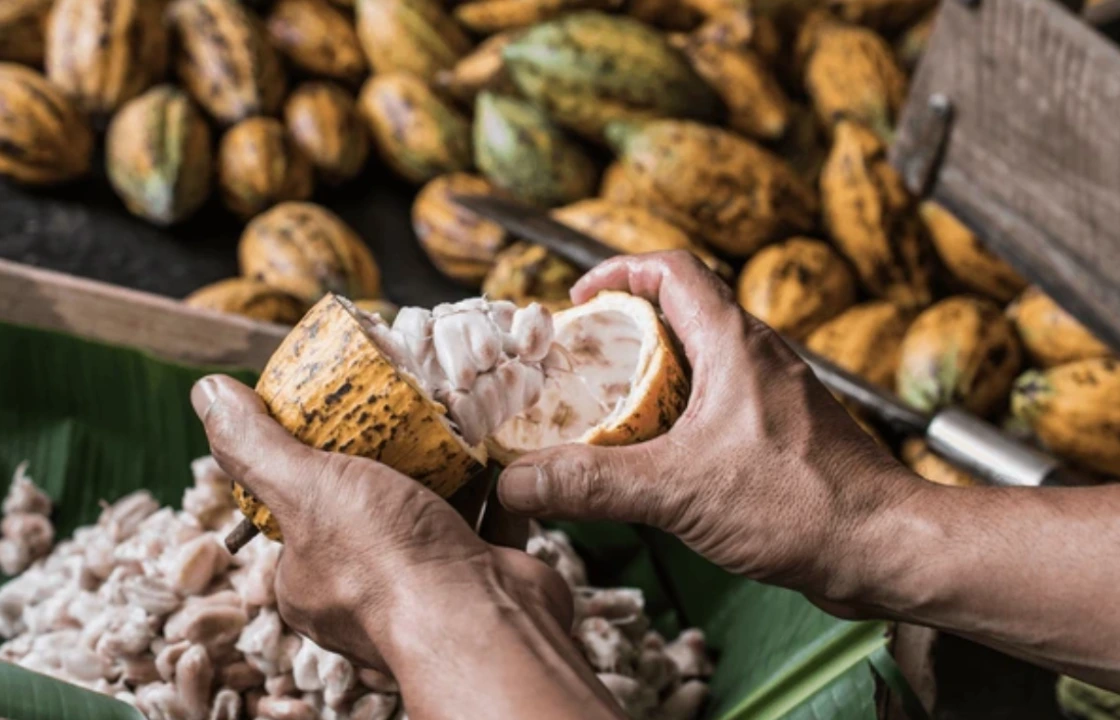
Native varieties like cacao chuncho from Cusco and fine cacao from the Amazon are deeply linked to ritual, spirituality, and emotional well-being. Long before chocolate bars existed, cacao was consumed as a ceremonial drink to support mental clarity, emotional balance, and connection.
Today, travelers can experience authentic cacao ceremonies in places like the Sacred Valley or the Amazon, often combined with yoga, meditation, or wellness retreats. These are not tourist shows but intimate experiences guided by locals who understand cacao as plant medicine.
In a world where mental wellness matters more than ever, cacao offers something rare: calm, presence, and grounding, straight from its ancestral source.
4. Maca: Traveling to the Source of Natural Energy
Maca has become famous worldwide for hormonal balance, stamina, and energy, especially among women. But very few people have seen where it actually grows.
Maca only thrives in extreme conditions, at over 4,000 meters above sea level in the central Peruvian highlands, particularly in Junin. Here, strong winds, intense sun, and freezing nights create a root with exceptional adaptive properties.
Visiting these highland plains reveals why maca is so powerful. It is dried naturally under the sun, prepared in warm drinks, and consumed according to seasonal and personal needs.
It is a journey into raw landscapes, traditional markets, and ancient knowledge that treats balance as something holistic, not isolated.
5. Camu Camu and Aguaje: Beauty from Within, Amazonian Style
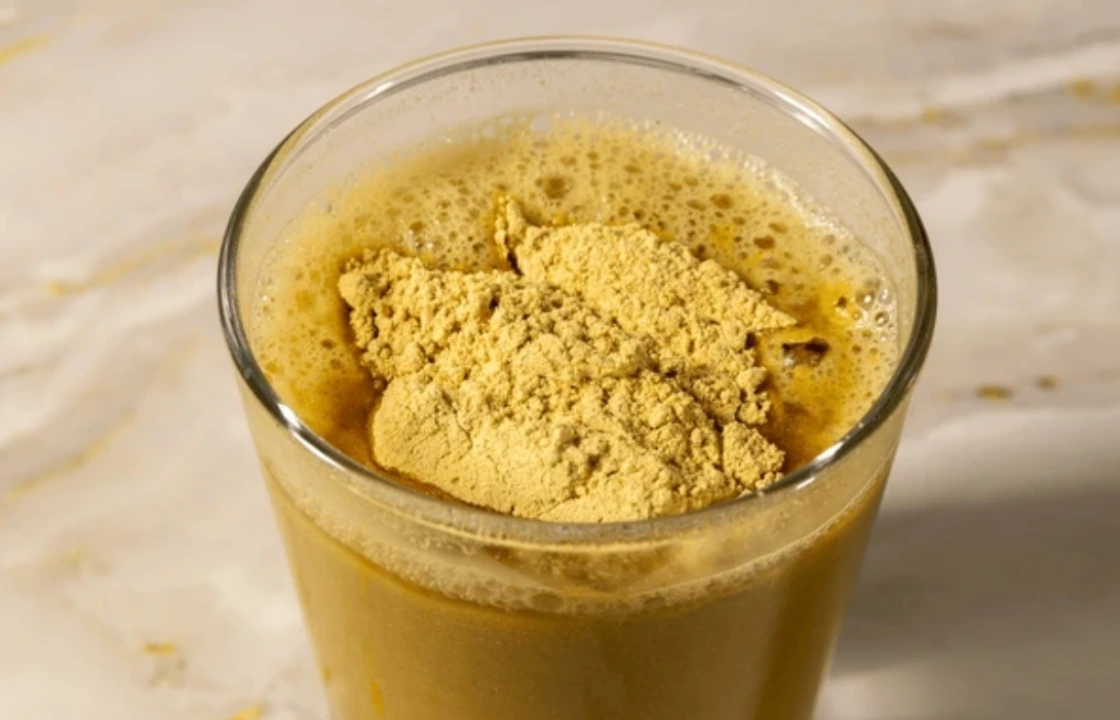
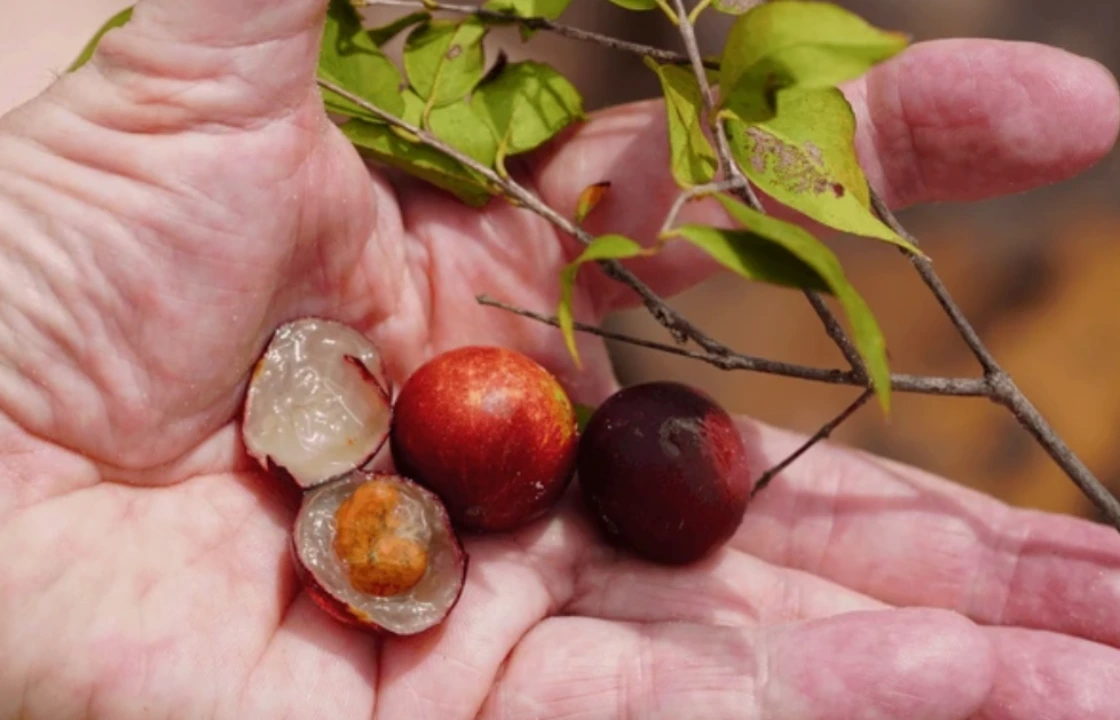
The Amazon is home to some of the most nutrient-dense fruits on the planet. Camu camu contains one of the highest natural concentrations of vitamin C in the world. Aguaje is rich in healthy fats and phytoestrogens linked to skin and hair health.
In cities like Iquitos or Puerto Maldonado, these fruits are not supplements or beauty trends. They are freshly blended into juices at local markets, especially in the early morning when locals come for their daily dose of energy and nourishment.
Travelers who explore the Amazon through food discover a different approach to beauty and wellness: nourishing the body internally while respecting biodiversity and traditional harvesting methods.
Why Superfoods matter more when you Travel?
Superfoods make sense on paper, but they make a deeper impact when experienced in context. In Peru, food is inseparable from culture, geography, and community.
Traveling to the source allows you to:
- Understand how climate and altitude affect nutrition
- Support local farmers and ethical food systems
- Experience freshness impossible to export
- Learn ancestral knowledge directly from those who live it
This is not about consuming more. It is about consuming better, with intention and awareness.
FAQs
Are Peruvian superfoods safe for travelers to consume?
Yes, when consumed traditionally and prepared locally, these foods are part of daily diets. As with any travel experience, moderation and guidance are key, especially at high altitudes.
Can I bring Peruvian superfoods back home?
Some products can be exported, but fresh experiences cannot. Many countries have restrictions on raw foods, which is why enjoying them locally is so valuable.
Do I need to join a wellness retreat to experience superfoods?
Not necessarily. Many travelers encounter these foods through markets, community visits, and cultural tours. Wellness retreats are optional, not required.
Is superfood tourism suitable for first-time visitors to Peru?
Absolutely. It pairs naturally with classic routes like Lima, Cusco, the Sacred Valley, and the Amazon, enriching the experience without changing the itinerary drastically.
How does superfood tourism support local communities?
It promotes ethical sourcing, fair trade, and cultural preservation, ensuring that ancestral knowledge remains valued and economically sustainable.
Peru is not just a destination. It is a living pantry of wellness, tradition, and biodiversity.
Beyond quinoa lies a deeper story, one that can only be understood by tasting, learning, and traveling with intention. For those seeking more than sightseeing, Peru offers nourishment for both body and mind.
And that is an experience no supplement can replace.