
Hello, dear reader! If you are planning a trip to Peru, thinking about visiting the Andes, worried about altitude sickness, or simply curious about natural medicine, you may have come across something called Muña Tea (sometimes written as Muna Tea by english speakers).
Many travelers ask us these questions: What is muña tea?, What is muña tea good for?, Does muña tea have caffeine?, Is muña tea illegal?, What are the benefits of drinking Muña tea?, Doea Muña tea from Peru Andean helps with altitude sickness?
At Peruvian Sunrise, we believe that understanding small cultural details, like this powerful Andean tea, makes your journey richer, safer, and more meaningful. Let’s explore everything you need to know!
Muña tea is a traveler’s ally at altitude. Heading to the Andes? Explore our Cusco & Machu Picchu tours or Peru travel packages.
Health benefits of muña tea
Muña (genus Minthostachys) is a fragrant Andean herb often called "Andean mint" for its strong, minty, menthol-like aroma. Peruvians have brewed it for centuries, and travellers value it for a handful of practical reasons:
- Digestion: muña tea is a traditional after-meal remedy for bloating, heavy stomachs and indigestion.
- Altitude comfort: like coca tea, it is one of the go-to local drinks for easing the mild symptoms of altitude in the Andes.
- Respiratory relief: the menthol aroma feels soothing for a blocked nose or a scratchy throat in the dry mountain air.
- Warming and caffeine-free: a comforting hot drink for cold Andean evenings that will not keep you awake.
Muña for altitude sickness (soroche)
In Cusco, the Sacred Valley and other high spots, you will often be offered muña or coca tea on arrival. Neither is a cure for serious altitude sickness, but both are gentle, traditional aids that many travellers find settling during their first days at altitude. Pair a cup with the basics — rest, water and a light first day — for the smoothest start. If you are heading to Cusco and Machu Picchu, our guided Machu Picchu tours build in time to acclimatise properly.
How to prepare muña tea
It could not be simpler: pour hot (not boiling) water over a small handful of fresh or dried muña leaves, or a muña tea bag, and let it steep for three to five minutes. Add a little honey if you like. You will find it served in cafés, hotels and markets throughout the Peruvian highlands.
Frequently Asked Questions About Muña Tea
What is muña tea good for?
Muña tea is traditionally used to aid digestion, ease the mild discomfort of altitude, and soothe the throat and airways. It is caffeine-free and has a refreshing, minty taste that makes it a popular everyday drink in the Peruvian Andes.
Does muña help with altitude sickness?
Muña is a traditional Andean remedy that many travellers drink to feel more comfortable at altitude, much like coca tea. It is not a medical treatment for severe altitude sickness, so combine it with gradual ascent, rest and hydration.
What does muña tea taste like?
Muña tastes like a strong, fresh mint with a menthol edge, similar to peppermint but distinctly Andean. It is naturally aromatic and needs no sugar, though a little honey rounds it out nicely.
Is muña the same as coca tea?
No. They are different plants used for similar comfort reasons at altitude. Muña is an Andean mint valued for digestion and its minty aroma, while coca tea comes from the coca leaf. Many travellers try both in Peru.
Where can I try muña tea in Peru?
You will find muña tea across the highlands — in Cusco, the Sacred Valley, Puno and Arequipa — served in hotels, cafés and markets. It is easy to enjoy on any Andes itinerary, including our custom Peru travel packages.
What Is Muña (Muna)?
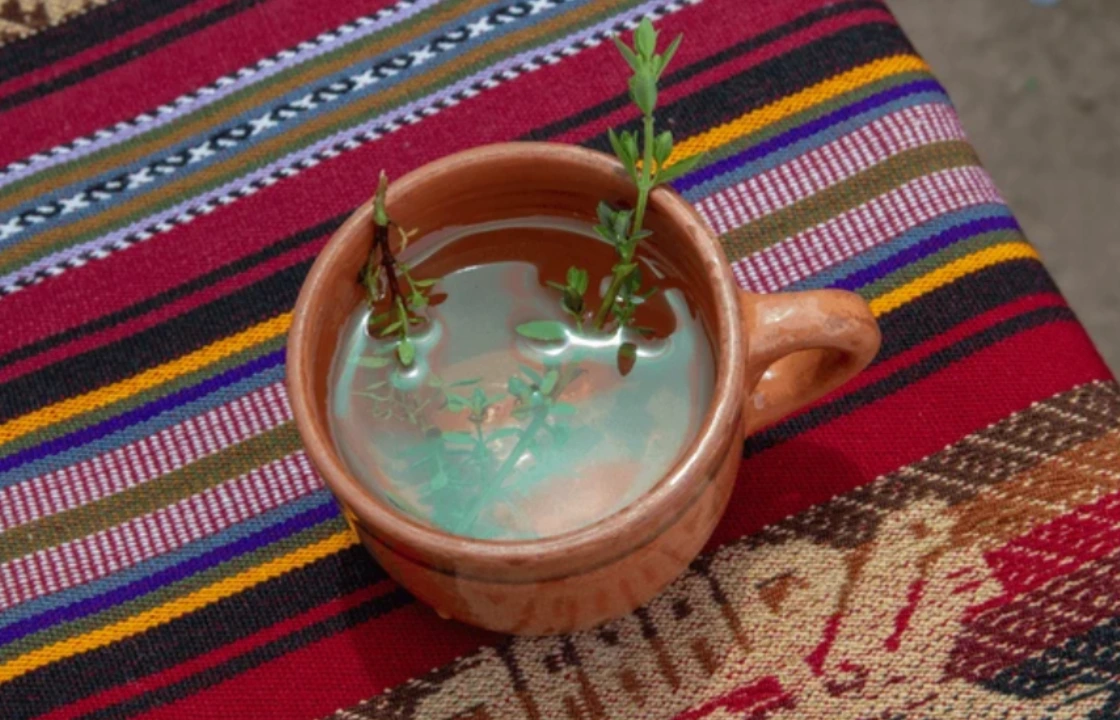
Muña is a traditional Andean medicinal plant scientifically known as Minthostachys mollis.
It grows naturally at high altitudes in Peru, especially around Cusco and the Sacred Valley. Because of its strong mint-like aroma, it is often called:
- Andean mint
- Andean tea leaf
- Peruvian muña
- Inka muña tea
- Muña tea Cusco
Although similar to mint, muña has a more intense, earthy, and slightly wild mountain flavor.
When prepared as tea, it becomes one of the most appreciated natural remedies in the Andes.
What Is Muña Tea Good For?
One of the most common questions travelers ask is:
“What is muña tea good for exactly?”
Here are the main muña tea benefits:
1) Helps With Altitude Sickness (Soroche)
Many visitors initially look for coca tea to prevent altitude sickness. However, they soon discover that muña is the quiet hero.
Muña tea helps:
- Reduce nausea caused by altitude
- Calm dizziness
- Clear respiratory passages
- Relax the stomach
If you are visiting high-altitude destinations like Cusco or planning to see Machu Picchu, your body may need time to adapt. Muña tea supports that process naturally.
It is considered an Andean altitude sickness tea leaf, widely offered in hotels upon arrival.
2) Excellent for Digestion
Peru is famous for its delicious and flavorful cuisine, sometimes rich, sometimes spicy, and often generous in portions!
Something our travelers frequently ask this: Is muña good for the stomach?
Yes.
Muña tea is traditionally used for:
- Indigestion
- Stomach pain
- Bloating
- Gas
- Heavy digestion after large meals
If you are trying ceviche, lomo saltado, or other traditional dishes, a cup of muña tea afterward can feel incredibly comforting.
3) Natural Antibacterial Properties
Some visitors are curious about whether muña has antibacterial effects. Traditionally, Andean communities have used it to support digestive health and potentially help against harmful bacteria.
While it is not a substitute for medical treatment, it is part of long-standing Andean herbal medicine traditions.
4) Respiratory Support
Because muña is a strong Andean mint, it helps clear airways and ease breathing — especially helpful in dry mountain climates.
Does muña tea have caffeine?
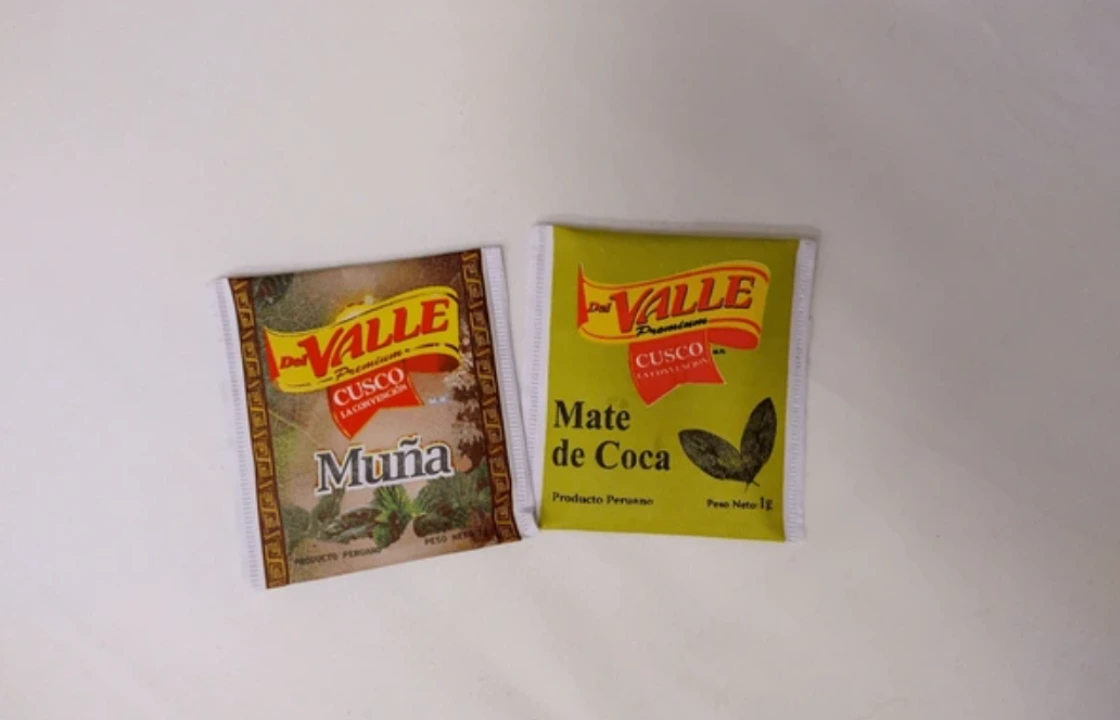
No. Muña tea is completely caffeine-free.
Unlike coca tea, which may have mild stimulating effects, muña tea is relaxing and safe to drink at night.
If you are sensitive to caffeine or want a calming herbal tea, muña is an excellent option.
What Does Muña Tea Taste Like?
Foreign visitors often compare everything to what they already know.
Muña tea tastes like:
- Strong wild mint
- Earthier than peppermint
- Fresh but intense
- Herbal and slightly mountainous
It is often described as “Andean mint,” but stronger and more complex than European or American mint varieties.
Is Muña Tea Illegal?
This is where many travelers feel uncertainty.
Let’s clarify clearly:
- Muña tea is NOT illegal.
- It is not related to coca leaves.
- It does NOT contain coca alkaloids.
- It will NOT cause a positive drug test.
Unlike coca leaves (which are restricted in many countries), muña is simply a botanical herb.
However, always check agricultural import regulations in your home country. Commercial tea bags are usually easier to transport than loose dried leaves.
Muña Essential Oil
If you want to know what Muña essential oil is traditionally used for, these are the uses:
- Natural insect repellent
- Muscle massage (when diluted)
- Aromatherapy
- Respiratory relief
It is much more concentrated than tea and should be used carefully.
Muña Tea From Peru: A Cultural Experience
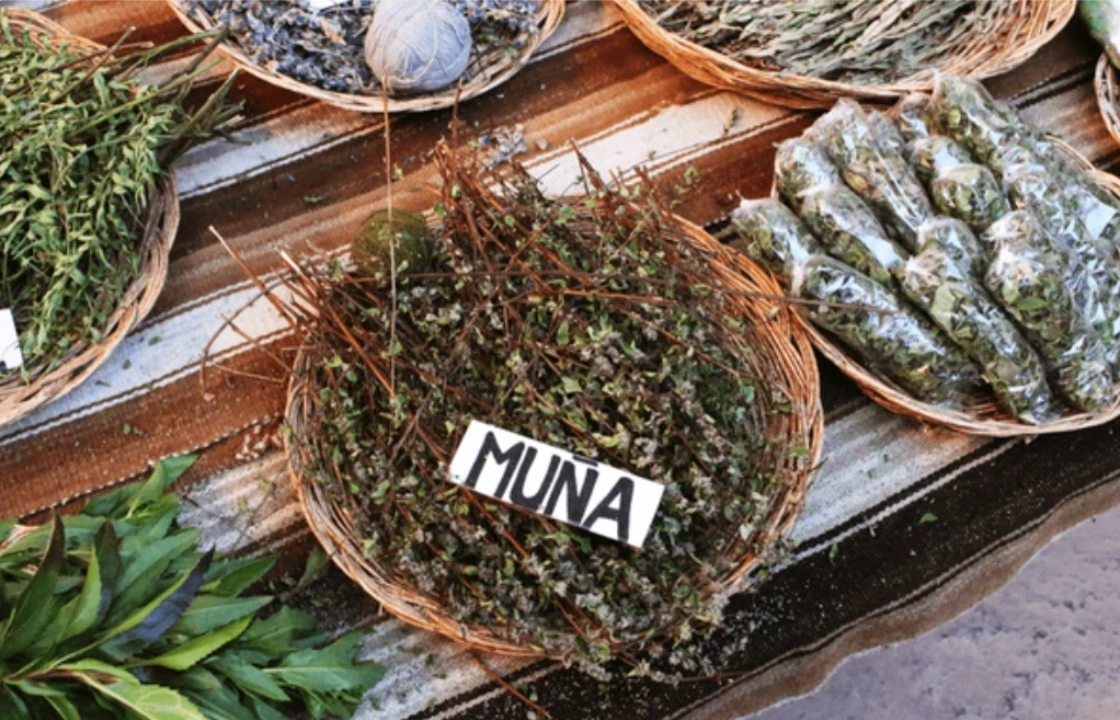
When you arrive in Cusco, many hotels will offer you muña tea immediately. It is part of the welcoming ritual in the Andes.
Drinking Peruvian muña tea is not only about health, it is about connecting with local traditions and natural Andean medicine.
At Peruvian Sunrise, we recommend:
- Resting on your first day at altitude
- Drinking plenty of water
- Having muña tea
- Eating light meals initially
- Avoiding alcohol during your first 24 hours
These small actions can make a big difference in your experience.
FAQs about Muña Tea
Can muña tea replace altitude medication?
Muña tea can support your adaptation process, but it should not replace prescribed medication if your doctor has recommended one.
Can I mix muña tea with coca tea?
Yes. Some travelers prepare a mixed tea combining both. Coca is often preferred for energy and headaches, while muña is chosen for stomach discomfort and nausea.
Is muña tea safe for children?
In small amounts, it is traditionally used, but always consult a healthcare professional for young children.
Is muña tea safe during pregnancy?
Pregnant women should consult a medical professional before consuming herbal teas regularly.
Can muña tea help protect my stomach when traveling?
Many travelers drink it daily while in Peru to support digestion, especially when trying new and richly seasoned foods.
A Natural Ally for Your Journey to the Andes
Peru is a country of altitude, history, intense flavors, and ancient wisdom. From traditional herbal medicine to modern travel wellness, muña tea represents the bridge between nature and culture.
If you are:
- Planning to visit high-altitude destinations
- Afraid of soroche (altitude sickness)
- Interested in natural remedies
- Curious about Andean tea leaf traditions
- Looking to protect your stomach while enjoying Peruvian cuisine
Then muña Tea may become one of your most comforting travel companions.
At Peruvian Sunrise, we believe that travel is not only about destinations. It is about understanding traditions, respecting nature, and preparing your body wisely.
And sometimes, the best way to begin your Andean adventure is with a simple, warm cup of tea.