
Hello, dear reader! If you’re dreaming of a destination that feels truly untouched, where nature still follows its own rhythm, then Manu National Park is exactly what you’re looking for. Located in the heart of the Peruvian Amazon, this incredible place is one of the most biodiverse areas on the planet, and one of the most protected. Let’s explore why it’s so special and how you can experience it!
Where is Manu National Park located?
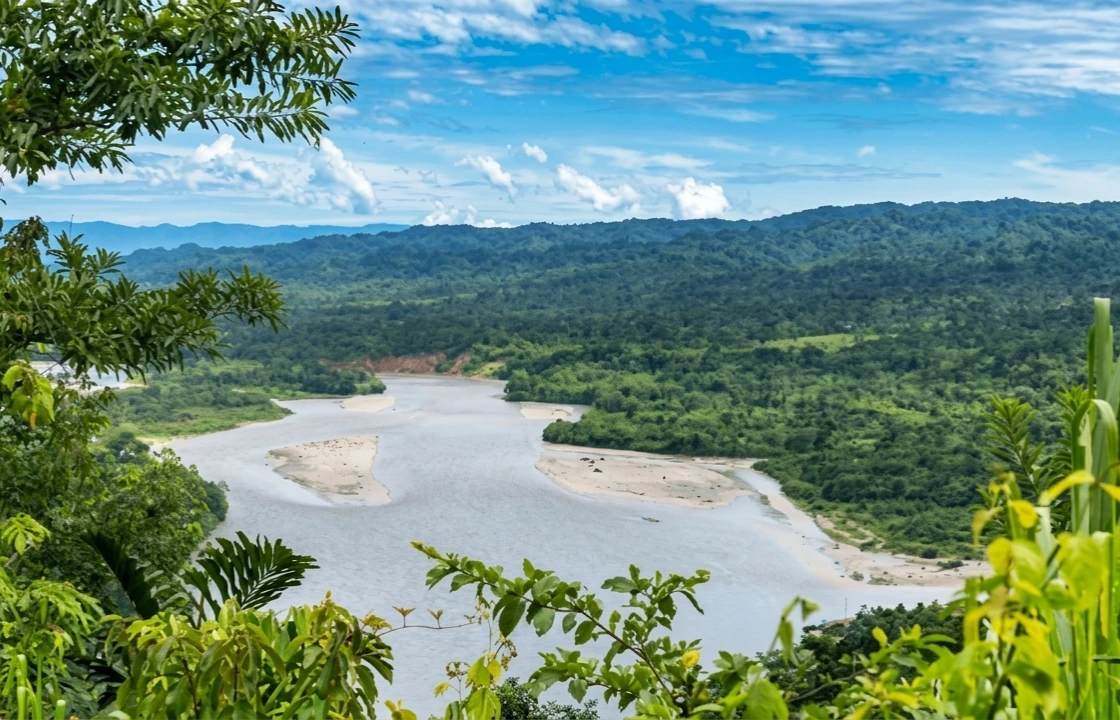
Manu National Park is mainly located in the region of Madre de Dios, in southeastern Peru, although it also extends into parts of Cusco. It stretches from the Andes mountains down into the Amazon rainforest, creating a unique mix of ecosystems in one single place.
So yes! is Manu National Park part of the Amazon? Absolutely, it’s one of the most pristine sections of the Amazon Basin, with very limited human impact.
Why is Manu National Park so valued in the world?
Besides being beautiful, Manu National Park is globally important. It was declared a UNESCO World Heritage Site during the UNESCO World Heritage designation of Manu National Park, thanks to its extraordinary biodiversity and conservation efforts.
This park is considered one of the richest natural areas on Earth:
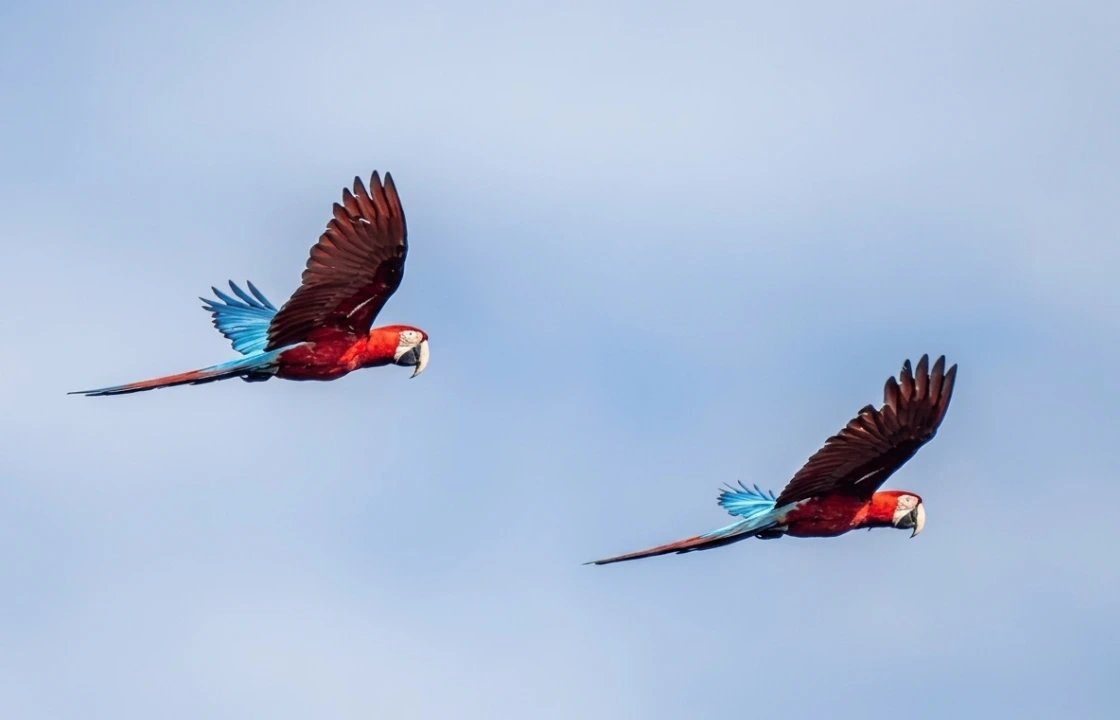
Over 1,000 species of birds
Hundreds of mammals like jaguars, monkeys, and giant otters
Thousands of plant species
Its isolation has allowed ecosystems to remain almost untouched, making it incredibly valuable for science and conservation.
Flora and fauna: what makes it unique?
The flora and fauna in Manu are simply unmatched. You can find everything from cloud forests in the highlands to dense tropical jungle in the lowlands.
Some highlights include:
- Colorful monkeys gathering at clay licks
- Species that are hard to find, like the giant river otter
- Huge trees and medicinal plants used for centuries
Every step feels like walking through a living documentary.
How to get to Manu National Park
Getting there is part of the adventure.
- How to get to Manu National Park from Cusco:
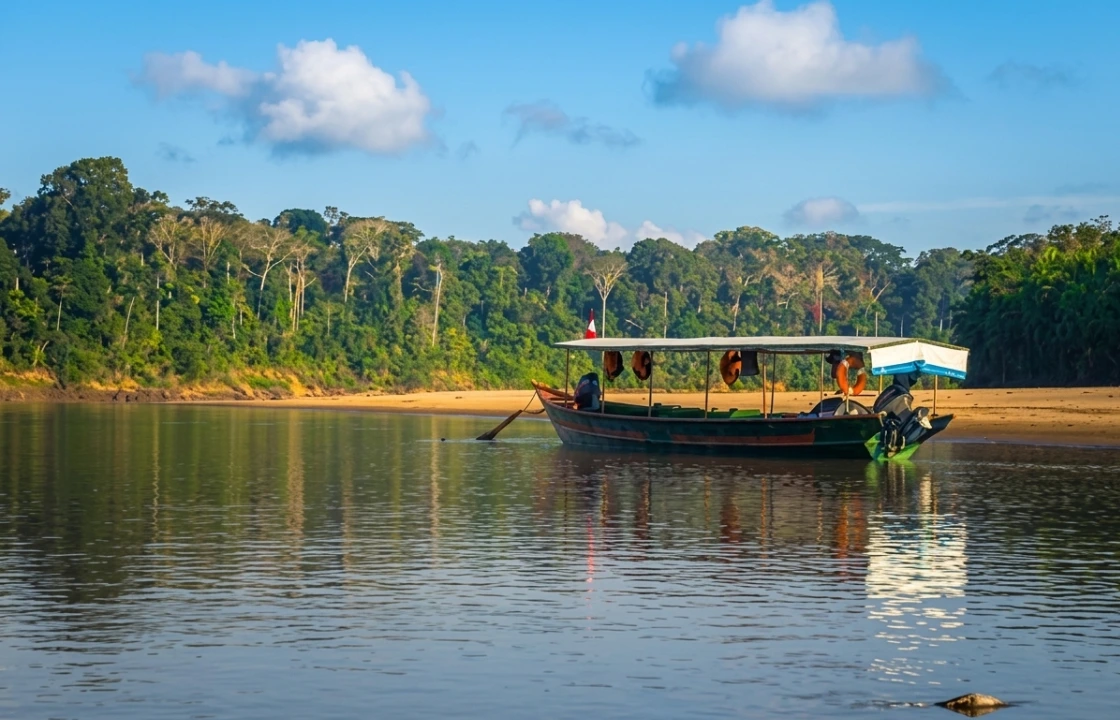
Start in Cusco, travel by road through the Andes into the cloud forest and then continue by boat along rivers deep into the jungle
- How to get to Manu National Park from Madre de Dios:
If you’re already in Madre de Dios, getting to Manu National Park is possible, but a bit more limited compared to the Cusco route.
Most journeys start from Puerto Maldonado, the main gateway to the southern Amazon.
Route from Puerto Maldonado:
Travel by road from Puerto Maldonado toward the Manu buffer zones, continue by boat along Amazonian rivers to reach deeper areas of the park. After that, access depends on the zone you’re visiting (not all areas are open from this side).
Important to know:
- Even when it is located in Madre de Dios, this route is less common than the Cusco route
- Many tours from Puerto Maldonado focus on nearby reserves (like Tambopata), not Manu itself
- Access to Manu’s most protected areas (like the Reserved Zone) is more restricted from this side
- You’ll still need to go with an authorized tour operator
- There aren't direct commercial flights to the park, which helps preserve its untouched nature.
How to visit Manu National Park
Visiting Manu requires planning, as access is regulated to protect the environment.
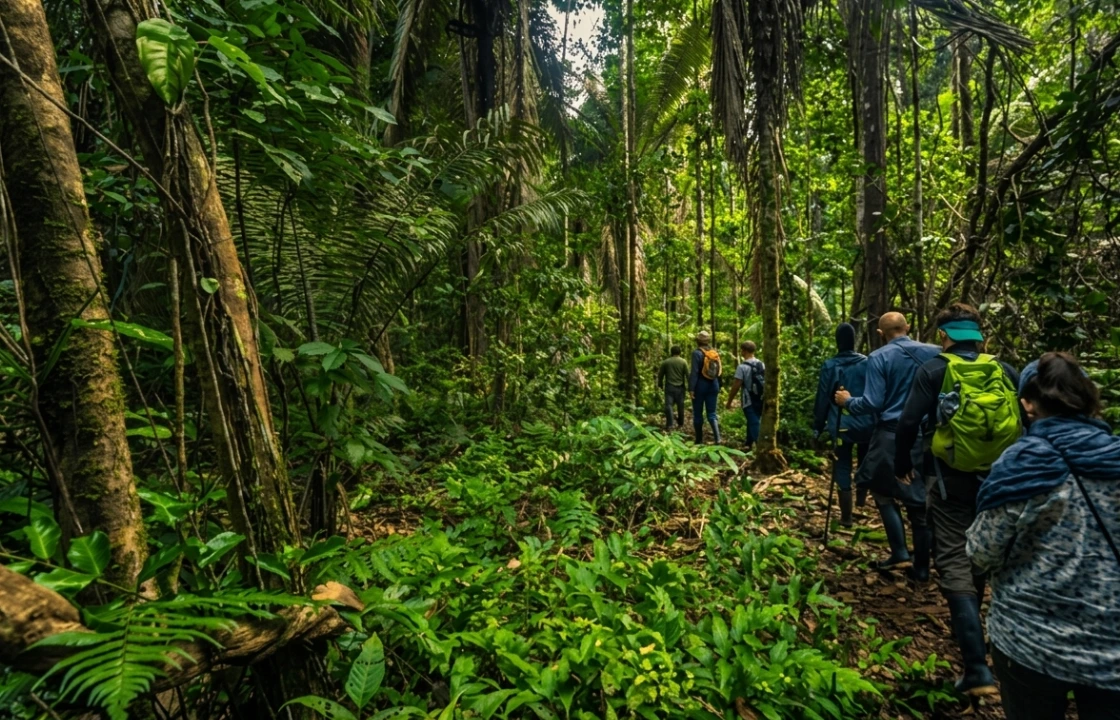
As mentioned before, you must go with an authorized tour operator, trips usually last between 3 to 7 days, there are different zones of the National Park, and because its a very pristine zone, some more accessible than others.
Which is the best time to visit Manu National Park?
The best time to visit Manu National Park is during the dry season (May to October).
- Easier transportation
- Better wildlife spotting
- Less rain
However, the rainy season (November to April) offers lush landscapes and fewer tourists.
Is Manu National Park worth visiting?
If you’re looking for comfort and luxury, Manu might not be your typical destination. But if you want a real connection with nature, something authentic and unforgettable, then yes, it’s absolutely worth it.
This is not just a trip. It’s an experience that changes how you see the world.
Ready to explore Manu?
At Peruvian Sunrise, we believe in responsible travel that leaves a positive impact in the destination you visit. Discover Manu with us and be part of something bigger, protecting one of the most precious places on Earth while living an adventure you’ll never forget.
Start planning your journey today!