

Hello, dear reader! Did you know that Peru is not only famous for its ancient civilizations, beautiful landscapes, and delicious food, but also for its gold, silver, and colorful gemstones? Jewelry has been part of Peruvian culture for thousands of years. Long before the arrival of the Spanish, ancient civilizations were already working with precious metals and creating beautiful pieces for their rulers, ceremonies and daily lives.
Today, this tradition is still alive. Peruvian artisans continue to create gold and silver jewelry, delicate filigree pieces, gemstone accessories, and handmade creations using natural materials found in different parts of the country.
If you are curious about Peruvian gold, want to learn more about its gemstones, or are thinking about buying a special piece of jewelry during your trip, here is what you should know!
What kind of jewelry is Peru known for?
Peru has a long tradition of jewelry making. Gold and silver are two of the most important materials, but the country's jewelry is also known for its colorful stones, handmade designs, and traditional techniques.
Ancient Peruvian civilizations, such as the Moche, Sicán, and Inca, were highly skilled in working with precious metals. They created necklaces, earrings, bracelets, nose ornaments, and ceremonial objects. Gold was especially important because of its connection with the sun, power and religious beliefs.
Today, Peruvian gold jewelry and silver jewelry continue to be popular among visitors. You can find modern designs, traditional pieces inspired by pre-Hispanic art, and beautiful handmade accessories created by local artisans.
One of the most interesting things about jewelry in Peru is that every region has its own traditions and style. In the north, for example, the town of Catacaos in Piura is especially famous for its silver filigree. In the Amazon, artisans work with seeds, natural stones, fibers, and other materials to create colorful accessories that reflect the culture of their communities.
Is Peruvian gold real?
Yes! Peru is one of the world's important gold-producing countries, and it has a long history of gold mining and gold craftsmanship.
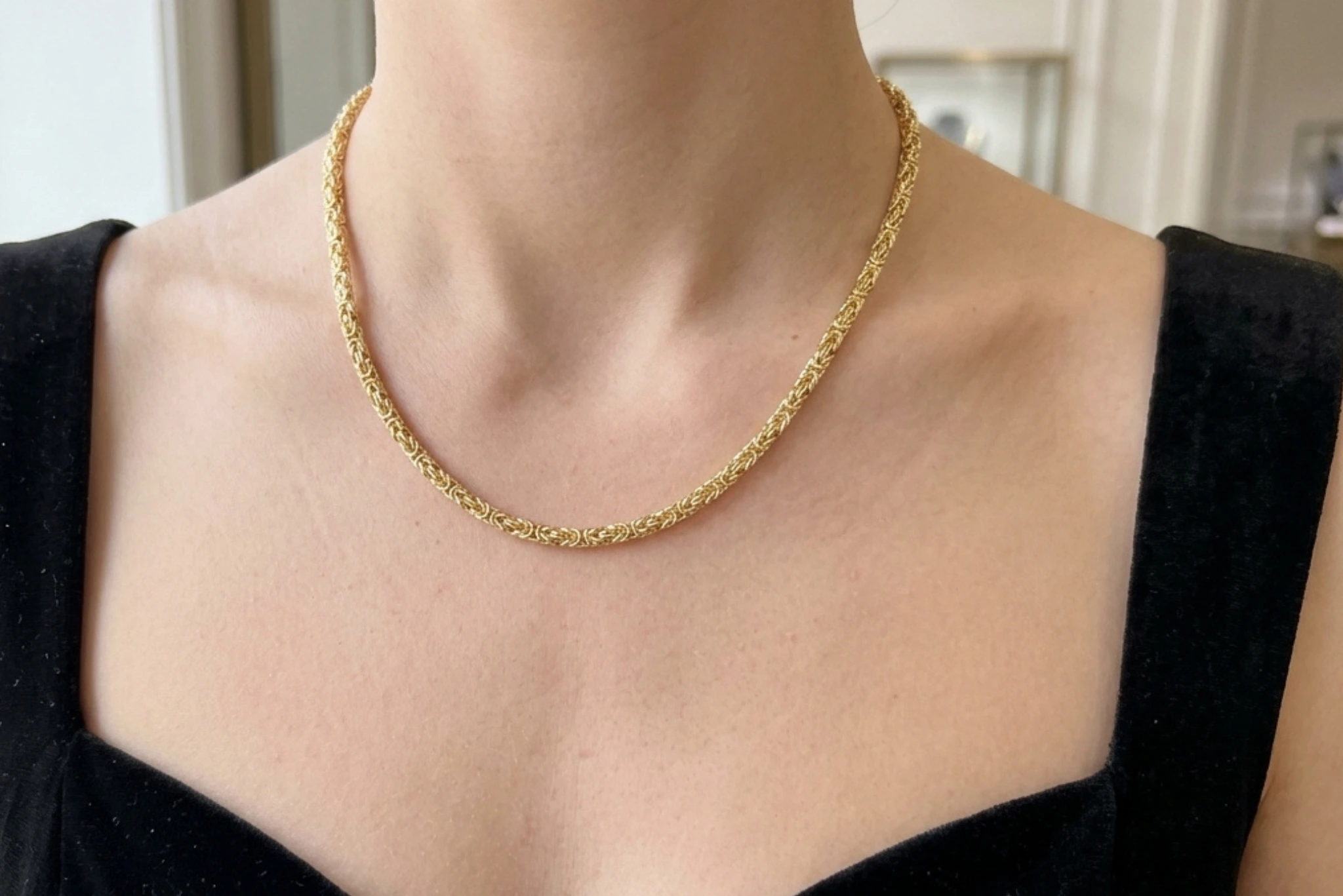
Peruvian gold is real gold, but just like gold in other countries, its purity can vary. When buying gold jewelry, you may find different karat levels, such as 18K, 14K, or 24K. The karat number tells you how much pure gold is present in the piece.
For example, 24-karat gold is almost entirely pure gold, while 18-karat gold contains 75% pure gold mixed with other metals to make it stronger and more suitable for jewelry.
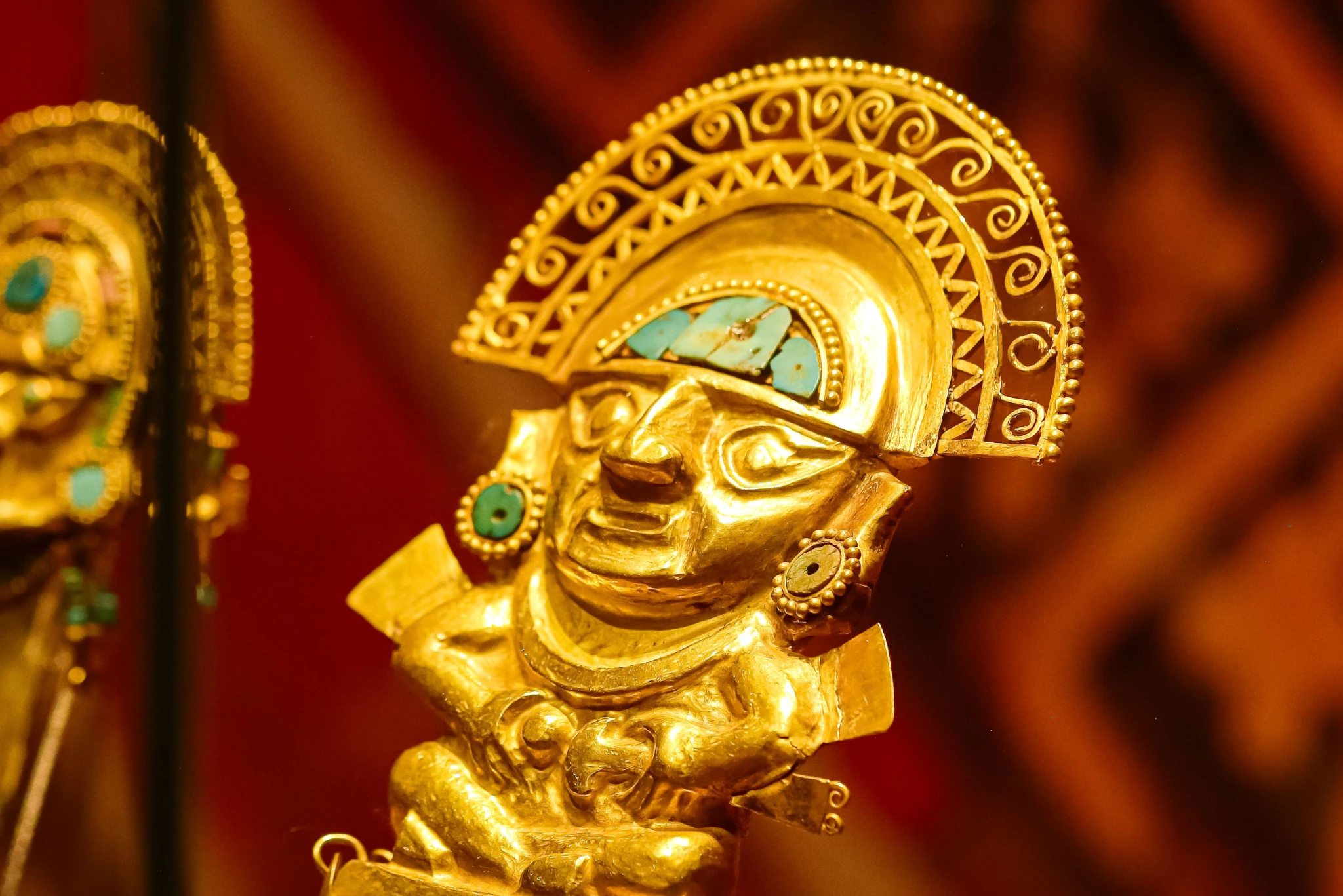
Peru also has a fascinating history with gold. Ancient civilizations worked with this metal long before modern mining existed. The Moche and Sicán cultures, in particular, created impressive gold ornaments, masks, earrings, and ceremonial objects. Their craftsmanship shows just how important gold was in ancient Peruvian society.
Gold was not simply used for decoration. It had religious, social, and symbolic meaning, and many of these ancient pieces can still be admired in museums across Peru.
Does Peru have gold?
Peru has significant gold deposits and, in fact, is one of the leading gold-producing countries in Latin America.
Gold is found in several regions of the country, especially in the Andes and parts of the Amazon. Some of the best-known mining areas are in Cajamarca, La Libertad, Arequipa, and Madre de Dios.
Peru has both large industrial gold mines and smaller mining operations. Its gold resources have made mining an important part of the country's economy for many years.
According to the United States Geological Survey (USGS), Peru produced an estimated 100 metric tons of gold in 2024, with estimated reserves of around 2,500 metric tons.
However, there is an important difference between gold production and gold reserves. Production refers to the gold extracted during a particular year, while reserves refer to deposits that can be economically extracted under current conditions. This means that the amount of gold Peru has is not a single fixed number.
Gold mining is also a complex subject in Peru. While it contributes to the economy, some mining activities, particularly illegal mining, can cause serious environmental damage. Responsible practices and the protection of local communities and natural areas are important parts of the conversation.
Is gold cheap in Peru?
Not necessarily! Many travelers wonder how much gold costs in Peru and whether they can find cheaper gold jewelry here than in their home countries.
The price of gold is influenced by the international market, so it does not automatically become cheaper just because you are buying it in Peru.
The final price of a piece of jewelry also depends on its purity, weight, design, and the amount of work involved in making it. A handmade piece with an intricate design may cost more than a simple gold chain, even if both contain the same amount of gold.
If you are planning to buy gold jewelry in Peru, take your time to compare prices and ask about the karat, weight, and authenticity of the piece. It is also a good idea to buy from established jewelry shops or trusted artisans who can provide clear information about their products.
What makes Peruvian silver special?
Gold often gets a lot of attention, but Peru is also famous for its silver. In fact, the country has a long history of silver mining and silversmithing, and Peruvian silver jewelry is appreciated for its quality and beautiful designs.
Silver has been used in Peru for centuries. Ancient civilizations worked with this metal to create ornaments, ceremonial objects, and decorative pieces. Today, silver remains one of the most popular materials among local jewelry makers.
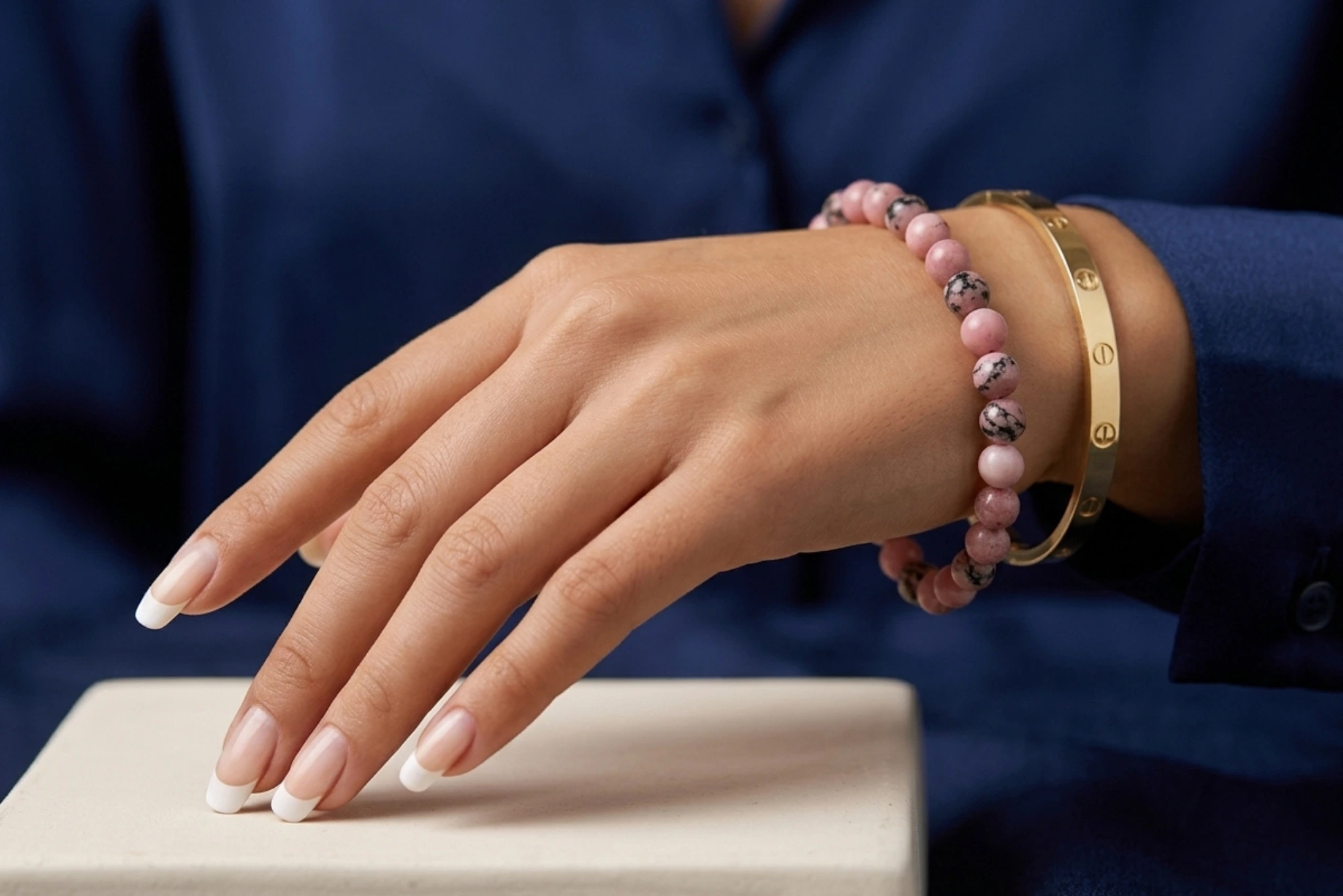
You can find Peruvian silver bracelets, necklaces, rings, earrings, and pendants in many different styles. Some feature traditional patterns, while others include natural gemstones or more contemporary designs.
One of the best examples of this craftsmanship is the silver filigree of Catacaos, a small town near Piura in northern Peru.
Traditional Peruvian jewelry: The art of silver filigree
If there is one traditional jewelry technique worth discovering during a visit to Peru, it is filigree.
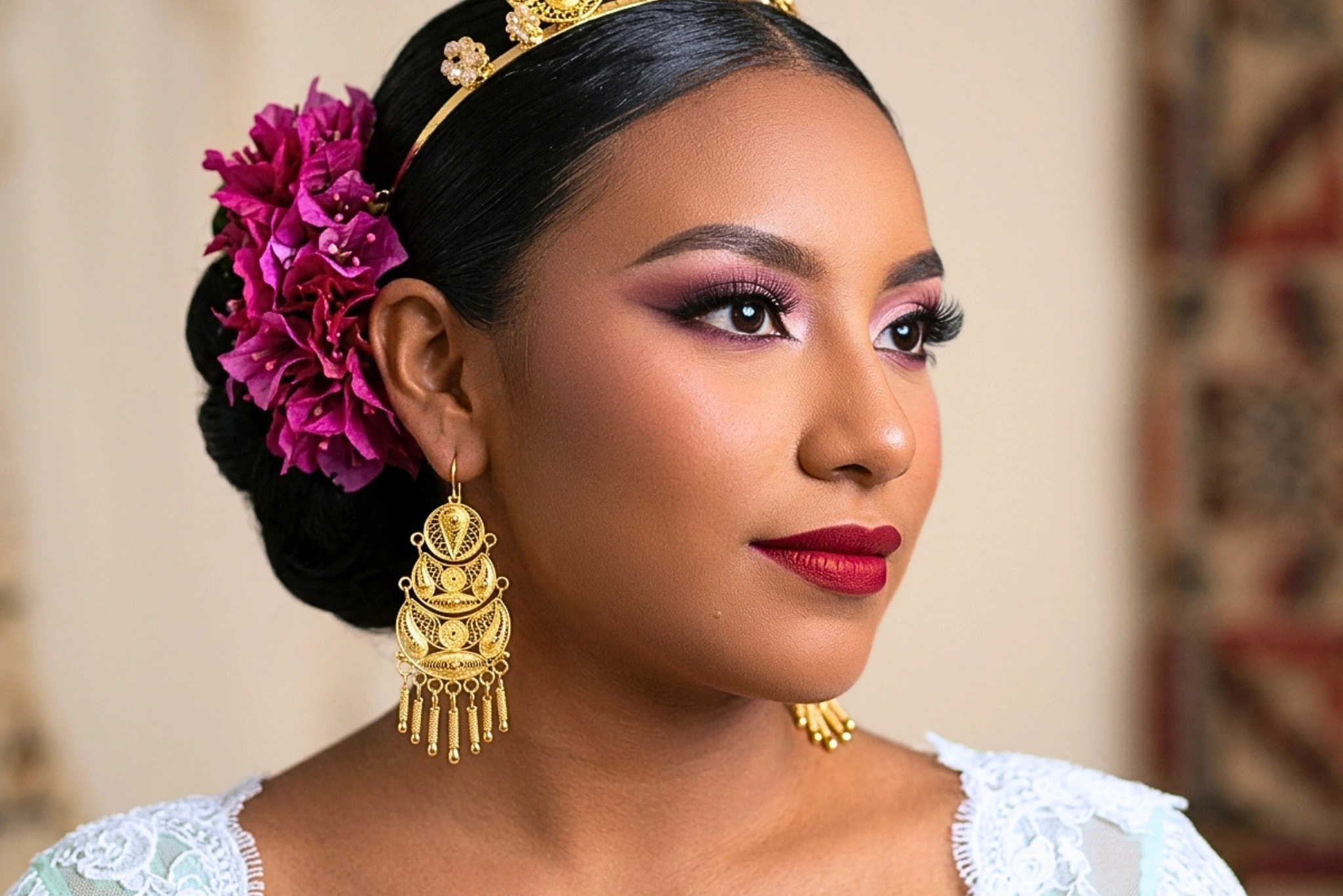
Filigree is a delicate technique that uses very thin threads of gold or silver to create detailed designs. Artisans bend, twist, and join these fine metal threads by hand, forming beautiful patterns that can look almost like lace.
Catacaos is particularly famous for its silver filigree. This tradition has been passed down through generations of local families, and it is an important part of the town's cultural identity.
One of its best-known creations is the dormilona, a traditional pair of silver earrings with delicate shapes and hanging details. They are especially beautiful because of their movement, the amount of work involved in making them and their use in Marinera: Peruvian National Dance.
The filigree tradition of Catacaos is so important that it was declared National Cultural Heritage of Peru in 2010.
If you visit Piura, you can explore the artisan shops along Calle Comercio in Catacaos, where you will find jewelry and other handmade creations. It is a lovely opportunity to meet local artisans and learn more about their work.
What gemstones is Peru known for?
Peru is also home to beautiful natural gemstones. Some are known for their soft colors, while others stand out because of their unusual patterns and bright blue or pink tones.
These stones are used in earrings, necklaces, bracelets, rings, and other handmade accessories. They are also a wonderful way to discover another side of Peruvian craftsmanship
Here are some of the most interesting gemstones associated with Peru:
- Andean Blue Opal
Andean blue opal is known for its soft blue and turquoise shades, sometimes with a cloudy or slightly translucent appearance. It is a beautiful stone that can remind you of the clear waters of the Peruvian coast.
It is often cut and polished into cabochons, which are smooth, rounded stones used in jewelry. Its natural colors make it a lovely choice for pendants, earrings, and rings.
- Pink Opal
Pink opal is one of the most recognizable gemstones from Peru. Also known as Peruvian pink opal or Andean pink opal, it is usually found in soft pink and rose tones.
Unlike precious opal, pink opal is generally an opaque stone without the colorful flashes known as play-of-color. Its gentle appearance makes it popular for necklaces, bracelets, earrings, and decorative pieces.
- Chrysocolla
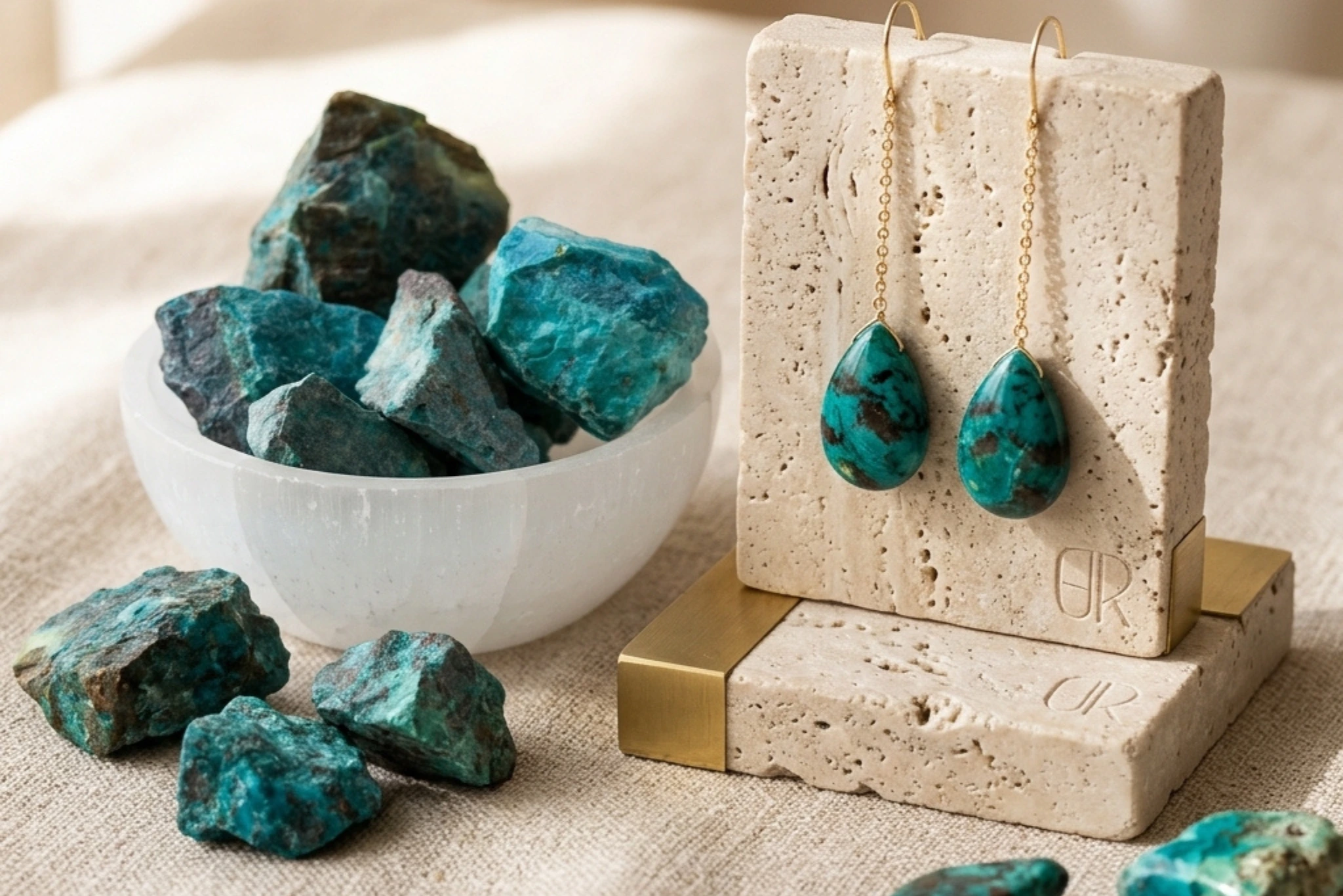
Chrysocolla is a copper-rich mineral known for its beautiful blue and green colors. Sometimes called "Peruvian turquoise", some pieces have patterns that resemble turquoise, with different shades of blue, green, and earthy tones.
Peru is known for its chrysocolla deposits, and the stone is used in jewelry and decorative objects. It is especially attractive when polished and combined with silver.
Does Peru make good jewelry?
Yes! Peru has a long tradition of skilled artisans, and its jewelry is valued for both its materials and the work behind each piece.
One of the things that makes Peruvian jewelry interesting is the variety of techniques used by local craftspeople. Some specialize in working with gold and silver, while others create detailed designs using natural stones, traditional weaving methods, and handmade decorative elements.
You can find fine silver and gold jewelry in specialized workshops, as well as more affordable handmade accessories in artisan markets. Many pieces combine traditional designs with modern styles, making them suitable for different tastes.
When buying jewelry, remember that handmade pieces can have small differences in shape, color, and finish. These details are part of their charm and make each creation unique.
Handmade jewelry from the Peruvian Amazon
Peruvian jewelry is not only about precious metals and gemstones. In the Amazon rainforest, many artisans create beautiful accessories using materials found in nature.
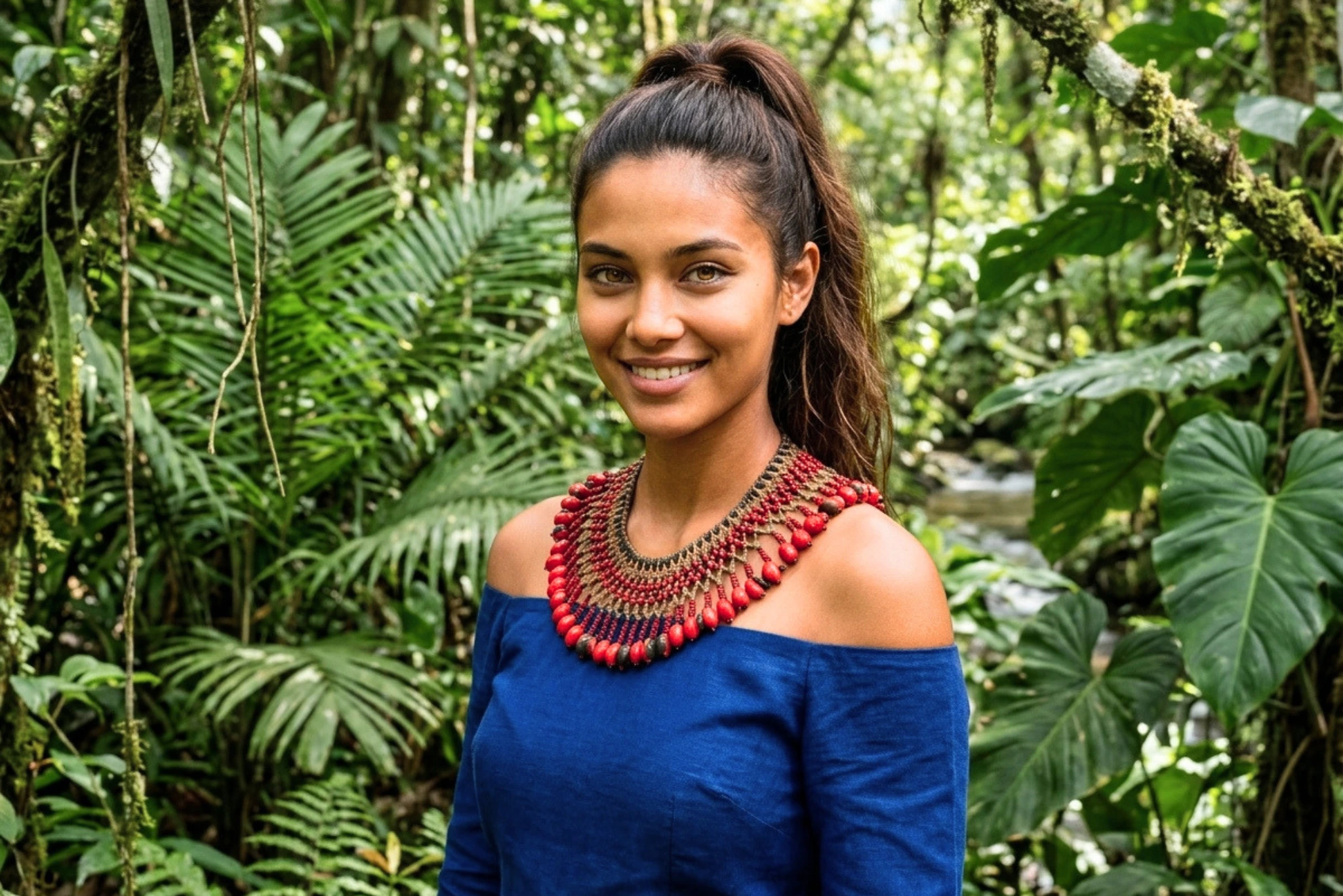
Some traditional pieces are made with colorful seeds, natural fibers, threads, beads, and other plant-based materials. Artisans carefully select, prepare, and combine these elements to create necklaces, bracelets, earrings, and decorative accessories.
Different Amazonian communities have their own designs and techniques, often connected to their cultural traditions and knowledge of the forest.
For example, some Awajún artisans use small natural seeds known as kumpia to create beautiful handmade jewelry. These seeds are carefully collected and threaded to make necklaces and bracelets.
Other creations may combine seeds of different sizes and colors with cotton threads, nylon, or other materials to produce intricate patterns.
These pieces are a lovely example of how creativity and traditional knowledge can turn simple natural materials into something special. They also offer travelers a chance to support local artisans and discover the cultural diversity of the Peruvian Amazon.
Where to buy Peruvian gold jewelry and silver jewelry?
- If you are wondering where to buy Peruvian gold jewelry or silver jewelry during your trip, there are several places worth exploring. In Lima, you can find jewelry shops and artisan markets with a wide selection of gold, silver, and gemstone pieces. The Miraflores and Barranco districts are good areas to start looking for independent designers and handmade accessories. For example, in Miraflores you can find good jewelry in La Paz Avenue, very close to Kennedy Park.
- In Cusco, artisan shops and markets offer silver jewelry, gemstone accessories, and pieces inspired by Andean traditions. It is also a good place to discover handmade items created by local craftspeople.
- If you are visiting northern Peru, Catacaos in Piura is a particularly interesting destination for anyone who appreciates silver filigree. Its workshops and artisan shops are known for traditional earrings, bracelets, necklaces, and other delicate creations.
- For travelers exploring the Amazon, local artisan markets and community-based workshops can offer handmade jewelry using seeds and natural materials.
Wherever you decide to shop, look for sellers who can explain where their materials come from and how their pieces are made. If you are buying gold or silver, ask for information about the metal's purity and request a receipt or certificate when available.
Buying directly from artisans is also a wonderful way to learn about the stories and traditions behind the jewelry you take home.
FAQs about Peruvian Gold and Jewelry
How much is gold in Peru?
Gold prices in Peru follow the international gold market. The final price depends on the current market rate, the purity and weight of the gold, and the jewelry-making costs. It is best to check the current price before making a purchase.
Is Peruvian silver real?
Yes! Peru produces silver and has a long tradition of silver craftsmanship. When buying jewelry, check the metal markings and ask the seller about its purity. Sterling silver, for example, usually contains 92.5% pure silver.
What is the most famous traditional Peruvian jewelry?
Silver filigree from Catacaos, especially its traditional dormilonas earrings, is among the best-known examples of Peruvian jewelry craftsmanship.
Are Peruvian gemstones natural?
Many gemstones sold in Peru are natural, but treatments and imitations can also be found in the jewelry market. If you are buying a valuable stone, ask the seller about its origin and whether it has been treated.
Can I bring Peruvian gold and silver jewelry home?
In general, travelers can bring personal jewelry home, but customs rules and declaration requirements depend on the destination country and the value of the items. Check the regulations of your country before traveling.