
How Does Travel in Peru Change From Region to Region?
Hello, Dear reader! When you think about Peru, you may picture Machu Picchu, llamas, colorful traditional clothing and the Andes.
And yes, you can experience all of that in Peru. But there is much more in the country.
Peru has three very different natural regions: the Coast, the Andes and the Amazon rainforest. Each one has its own climate, landscapes, food, traditions and way of life. Even the travel experience can feel completely different from one region to another.
So...what should you expect when traveling through Cusco, Lima, Northern Peru and the Peruvian Amazon?
Here is a closer look at the differences that make traveling across Peru so interesting.
Cusco: Inca History, Andean Landscapes and Living Traditions
Cusco is probably the part of Peru most associated with the Incas, and for good reason.
The former capital of the Inca Empire is surrounded by archaeological sites, mountain landscapes and traditional Andean communities. In the city, you can see impressive Inca stonework alongside Spanish colonial architecture.
And, of course, Cusco is the gateway to Machu Picchu.
But there is more to Cusco than the famous citadel. The Sacred Valley, local markets, archaeological sites and rural communities give you the opportunity to see how Andean traditions continue today.
What to expect when traveling in Cusco
- Altitude: Cusco sits at around 3,400 meters (11,150 feet) above sea level, so your body may need time to adjust.
- Climate: Days can be sunny while mornings and nights are cold, especially during the dry season.
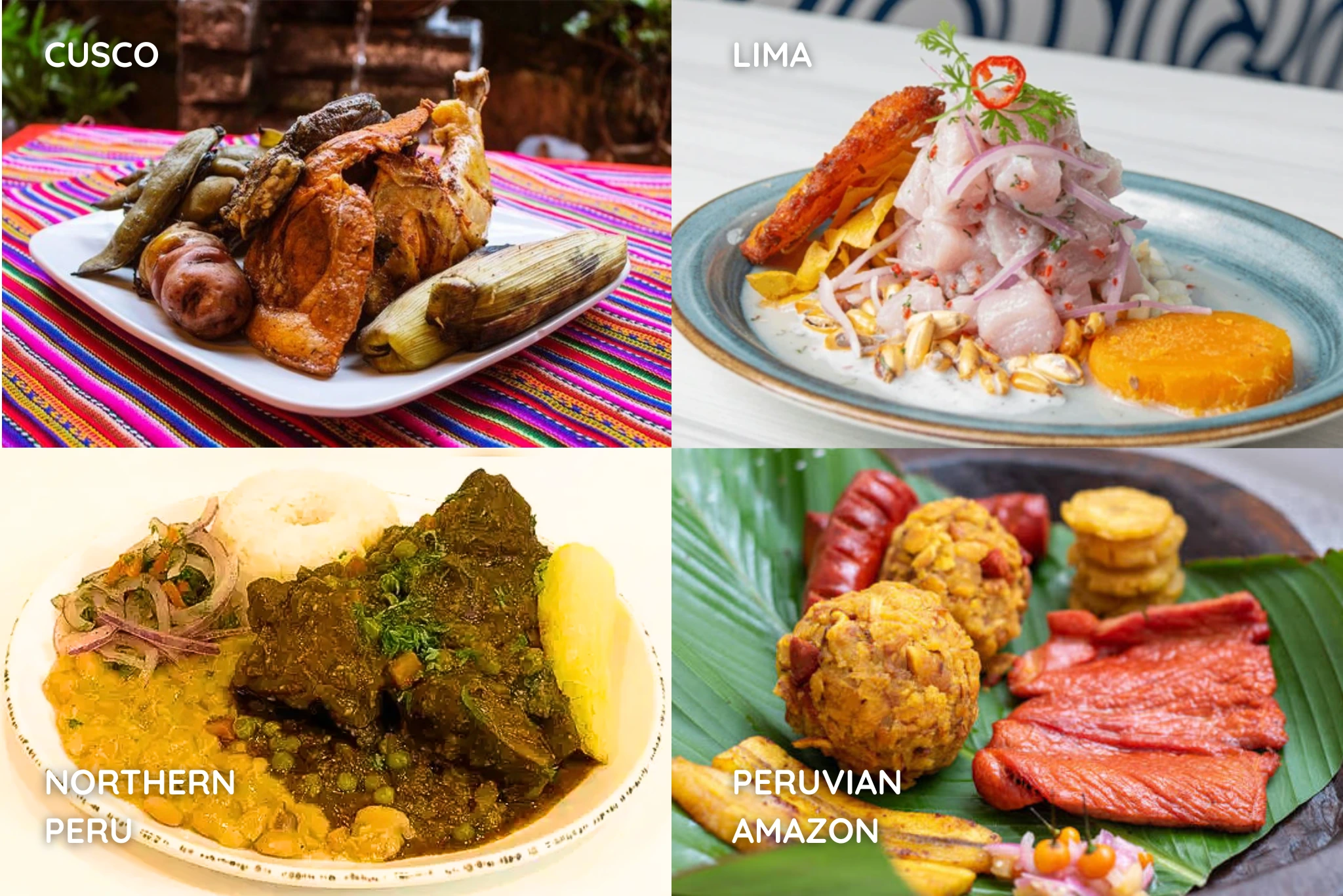
- Food: Expect hearty Andean dishes, potatoes, corn, quinoa, soups and local specialties such as alpaca.
- Culture: Indigenous Andean traditions remain an important part of everyday life, from textiles and agriculture to festivals and local celebrations.
- Landscape: Think mountains, valleys, terraces, rivers and high-altitude plains.
Cusco is the Peru many travelers imagine before their trip, but it is only one part of the country.
Lima: Coastal Peru, Gastronomy and Modern City Life
Travel a few hours away from the Andes and Peru looks completely different.
Lima sits on the Pacific coast and is a huge, modern capital city. Instead of mountain landscapes and traditional Andean villages, you will find ocean views, busy streets, contemporary neighborhoods, museums, art galleries and some of the country's best restaurants.
Lima is also one of the best places to understand how different cultures have influenced Peru.
Indigenous, Spanish, African, Chinese and Japanese influences have all shaped Peruvian cuisine and culture. This is one reason why food is such an important part of the Lima experience.
What to expect when traveling in Lima
- Climate: Lima has a mild coastal climate. It can be cloudy and humid for much of the year, especially during the winter months, but it rarely experiences heavy rain.
- Food: This is one of the highlights. Ceviche, causa, lomo saltado and many other dishes are part of Lima's diverse food scene.
- Culture: Museums, historic buildings, art, music and neighborhoods such as Barranco offer a more urban side of Peru.
- Landscape: The Andes are not the main feature here. Lima is a coastal city with cliffs, beaches and views of the Pacific Ocean.
- Travel style: Expect a busy city, traffic and a much more modern environment than in rural Cusco.
If you visit Lima after Cusco, you may feel like you have arrived in a completely different country.
Northern Peru: Ancient Civilizations, Beaches and Warm Weather
Northern Peru is one of the best examples of why the country cannot be reduced to the Incas.
Long before the Inca Empire, powerful civilizations developed along Peru's northern coast. The Mochica, Chimú and other cultures left behind impressive temples, tombs, ceramics and other archaeological treasures.
Places such as Trujillo and Chiclayo offer a different perspective on Peru's history. And then there are the beaches.
Further north, destinations such as Máncora are known for warm weather, surfing, beaches and a relaxed coastal atmosphere.
What to expect when traveling in Northern Peru
- Climate: The northern coast is generally warmer than Lima and much warmer than the Andes.
- History: You will learn about civilizations that existed centuries before the Incas.
- Food: Northern cuisine has its own identity, with dishes such as cabrito, arroz con pato and ceviche norteño.
- Landscape: Archaeological sites, desert landscapes, farmland and long stretches of coastline.
- Travel style: It can feel more relaxed and less focused on the classic Machu Picchu route.
Northern Peru is a great reminder that Peru's history did not begin with the Incas. Click here to discover our Treasures of Northern Peru Tour
The Peruvian Amazon: Rainforest, Rivers and Wildlife
Then there is the Amazon, where the landscape changes once again.
Peru is home to a huge part of the Amazon rainforest, and traveling here feels very different from visiting the Andes or the coast. Instead of archaeological sites and colonial streets, your days may include boat rides along rivers, rainforest walks and wildlife spotting.
You might see monkeys, macaws, sloths, caimans, colorful birds and many other species. And sometimes, the most memorable experience is simply being surrounded by the sounds of the forest.
Popular gateways include Puerto Maldonado and Iquitos, each offering different ways to experience the Amazon.
What to expect when traveling in the Peruvian Amazon
- Climate: Hot, humid and tropical. Rain is part of life in the rainforest.
Wildlife: The Amazon is one of the world's most biodiverse environments. - Food: Meals often include local fish, rice, plantains and tropical fruits.
- Culture: Indigenous communities have lived in the Amazon for generations, with their own traditions, knowledge and relationship with the rainforest.
- Travel style: Expect boat transportation, jungle lodges, nature walks and early mornings rather than museums and city tours.
The Amazon is probably the biggest change of scenery you can add to a Peru itinerary. Click on the links below to know more:
Four Regions, Four Very Different Experiences
One of the best things about traveling around Peru is seeing how much the country changes as you move between regions.
| Cusco | Lima | Northern Peru | Peruvian Amazon | |
| Main environment | Andes | Pacific Coast | Northern Coast | Rainforest |
| Climate | Cool and seasonal | Mild and humid | Warm and dry | Hot and humid |
| Known for | Incas and Machu Picchu | Food and city life | Ancient cultures and beaches | Wildlife and nature |
| Landscape | Mountains and valleys | Coast and cliffs | Desert and coast | Rivers and jungle |
| Food | Andean cuisine | International and Peruvian gastronomy | Northern specialties | Amazonian cuisine |
| Main experience | History and culture | Food and urban culture | Archaeology and coast | Nature and wildlife |
Is Peru Really All About Llamas, Ponchos and Machu Picchu?
Not quite, those are real parts of Peruvian culture, especially in the Andes, but they represent only one part of a much bigger country.
You can walk through a modern neighborhood in Lima in the morning, explore an ancient archaeological site in Northern Peru another day, travel through the Andes to Machu Picchu and later wake up surrounded by rainforest.
You may eat ceviche on the coast, try an Andean dish in Cusco and discover Amazonian ingredients in the jungle.
You may see traditional Andean textiles in one region and experience completely different traditions in another.
That variety is what makes traveling through Peru so special.
Why Travel to More Than One Region of Peru?
If you have enough time, combining different regions can give you a much more complete understanding of the country.
A trip that includes Lima, Cusco and Machu Picchu combines coastal Peru with the Andes and gives you a good introduction to the country's history, food and culture.
Adding the Amazon introduces a completely different environment and wildlife experience.
And if you have more time, traveling through Northern Peru allows you to discover ancient civilizations, regional cuisine and beaches that many international visitors never get to experience. In fact, this area is "Pope Leo's second land", since he lived here for many years.
Instead of seeing Peru as one destination, think of it as several very different experiences connected within the same country.
FAQs
Is Peru only about Machu Picchu and the Andes?
No. Machu Picchu and the Andes are among Peru's most famous attractions, but the country also has a long Pacific coastline, large cities, ancient civilizations, beaches and one of the world's most biodiverse rainforest regions.
What are the main regions of Peru?
Peru is traditionally divided into three natural regions: the Coast, Andes and Amazon. Each region has different geography, climates, traditions and lifestyles.
Is Lima very different from Cusco?
Yes. Lima is a large coastal city known for gastronomy, museums and modern urban life. Cusco is an Andean city surrounded by mountains, archaeological sites and strong Indigenous and colonial influences.
Is Northern Peru different from Cusco?
Very much so. Cusco is strongly connected with the Inca Empire and Andean culture, while Northern Peru is known for pre-Inca civilizations such as the Moche and Lambayeque, as well as beaches and warm coastal weather.
What is the Peruvian Amazon like?
The Peruvian Amazon is hot, humid and full of wildlife. Depending on your destination, you can explore rivers, rainforest trails and protected areas while staying at a jungle lodge or joining guided nature excursions.
Can I visit Lima, Cusco, Machu Picchu and the Amazon on the same trip?
Yes. These destinations can be combined in one Peru itinerary. The ideal route depends on your travel dates, interests, budget and the amount of time you have available.
How long should I spend in Peru?
There is no single answer, but around 10 to 14 days can give you enough time to combine several major destinations. If you want to include Northern Peru or spend more time in the Amazon, a longer trip is recommended.
Ready to See More Than One Side of Peru?
Peru is not just one landscape, one culture or one travel experience. From the Pacific coast to the Andes and the Amazon rainforest, every region has its own stories, flavors, traditions and landscapes waiting to be discovered.
At Peruvian Sunrise, we can help you connect these experiences into one unforgettable Peru journey.
Tell us how much time you have, what you would love to experience and the places you want to discover. We'll help you create your Peru itinerary.