
Hello, Dear reader! If you are planning a trip to Peru, you probably already know about the majestic peaks of Machu Picchu and the world-class flavors of our ceviche. But as you walk through the bustling markets of Lima or the plazas of Cusco, you’ll notice that the Spanish we speak has a rhythm and vocabulary all its own.
While we are a formal agency and don't recommend using these terms in formal settings, understanding them is the ultimate "cultural key." It helps you move from being a spectator to truly feeling the pulse of the country. Here is your guide to understanding what the locals are really saying!

1. The Essentials: Decoding Everyday Talk
You'll hear these words in every corner of the country. Knowing them will help you follow the flow of a conversation.
Causa / Pata: Both are common ways to say "friend." If you hear someone say "Él es mi causa," they are talking about a close pal.
Flaco / Flaca: Literally "thin," but used universally to refer to someone’s boyfriend or girlfriend.
Jato: If a local says they are going to their jato, they just mean they are heading home. If someone is "quedó jato," they’ve fallen fast asleep!
Ya: This is the most versatile word in Peru. It can mean "Yes," "Understood," "Hurry up," or even "Stop it," depending entirely on the tone. Listen closely!
Pe / Pes: This is the famous Peruvian "filler" (from the word pues). It’s added to the end of sentences for emphasis. It doesn’t change the meaning, but it’s the definitive sound of Peruvian street speech.
2. The "Foodie" Expressions
Peruvians love food so much that we’ve turned our favorite ingredients into metaphors for life’s situations.
Palta: While it's an avocado on your plate, in conversation, estar palta refers to feeling embarrassed or being in an awkward, "cringey" situation.
Papayita: If someone describes a task or a trail as papayita, they mean it’s "easy as pie" (or easy as a papaya!).
Yuca: On the other hand, if something is a yuca, it’s very difficult or complicated to solve.
Piña: This means pineapple, but if you hear "¡Qué piña!", it means "What bad luck!"
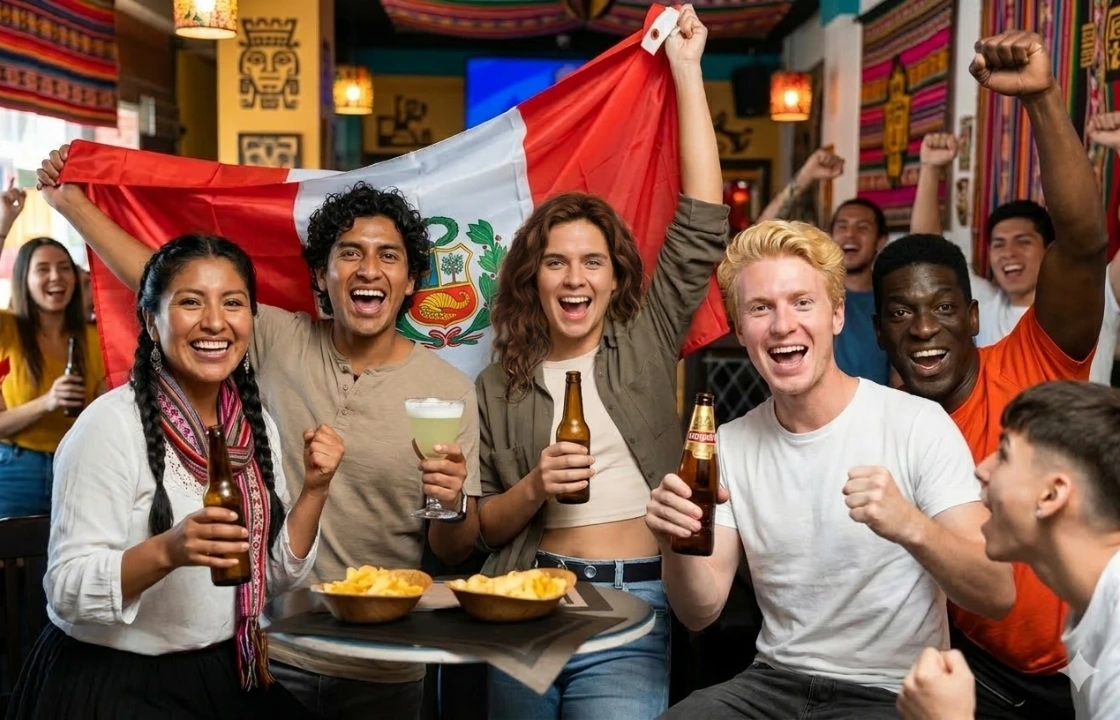
3. Reading the Room: Social Slang
Pavo: Literally a "turkey," used to describe someone who is being a bit naive or silly in that moment.
Sapo: A "toad." This refers to someone being nosy or gossipy.
Florear: If someone is "flowering" you, they are using a lot of smooth talk or exaggeration to convince you of something.
Misio: A very common way to say someone is currently "broke" or has no cash on hand.
Tombo: A slang term for the police.
4. Regional Secrets: From the Jungle to the North
In the Amazon (Selva): You’ll often hear the word Ñaño or Ñañito. It’s a term of endearment for a brother or a very close friend.
In the North (Piura/Tumbes): If you hear the word Gafo, it’s a lighthearted way of calling someone "silly" or "clumsy." You might also hear the famous exclamation "¡Gua!", which expresses pure surprise.
5. Expressions of Surprise
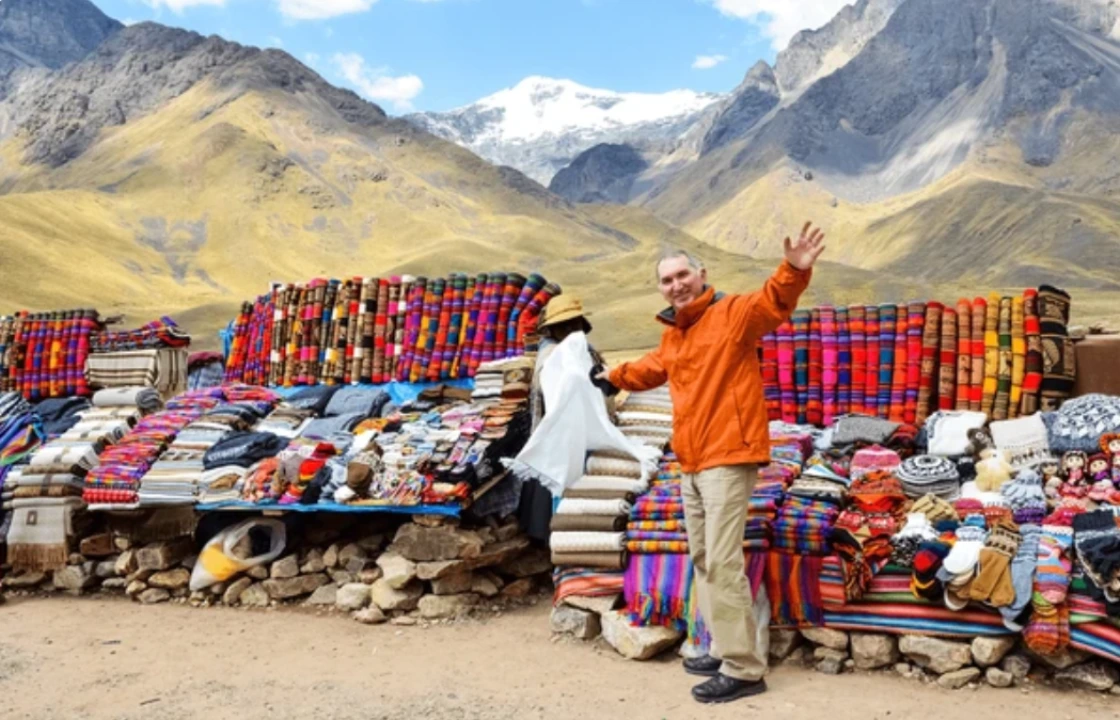
¡Asu mare!: This is the big one. It’s the ultimate expression of shock, awe, or being impressed. You’ll hear it when people see a beautiful landscape or something unexpected happens.
Ponerse las pilas: A call to action! It means "to get your batteries on," or in other words, to wake up and get focused.
Ready to experience the real Peru?
Understanding the slang is just the beginning of your immersion. At Peruvian Sunrise, we believe that the best way to know a country is through its people, its sounds, and its soul. We don't just take you to the sights; we help you connect with the authentic heart of our land.
Click here to start planning your authentic journey with us and travel deep into the heart of Peru!