
For centuries, explorers searched South America for a place they believed was filled with unimaginable riches. They called it El Dorado, the legendary land of gold.
But what is El Dorado? Is El Dorado real? Where is El Dorado? And why does this famous legend appear in stories about Peru, even though its origins lie elsewhere?
Peru has its own fascinating connection to the legend through the wealth of the Inca Empire, the unexplored lands beyond the Andes, and another mysterious story: Paititi, the legendary lost kingdom said to lie somewhere beyond the mountains and deep in the Amazon.
What Is El Dorado?
The name El Dorado comes from Spanish and can be translated as “the gilded one” or “the golden one.”
Interestingly, the original story was not actually about a golden city.
It was connected to the Muisca people of the northern Andes, who practiced a ceremonial ritual involving a ruler and offerings of gold. As Spanish explorers heard the story, it gradually changed. A ritual became a wealthy ruler, the ruler became a kingdom, and eventually El Dorado became an entire city of gold in the European imagination.
The legend only grew as explorers ventured farther into South America.
El Dorado and the Golden World of the Incas
When the Spanish reached the Andes, Peru presented them with another civilization of extraordinary wealth and sophistication.
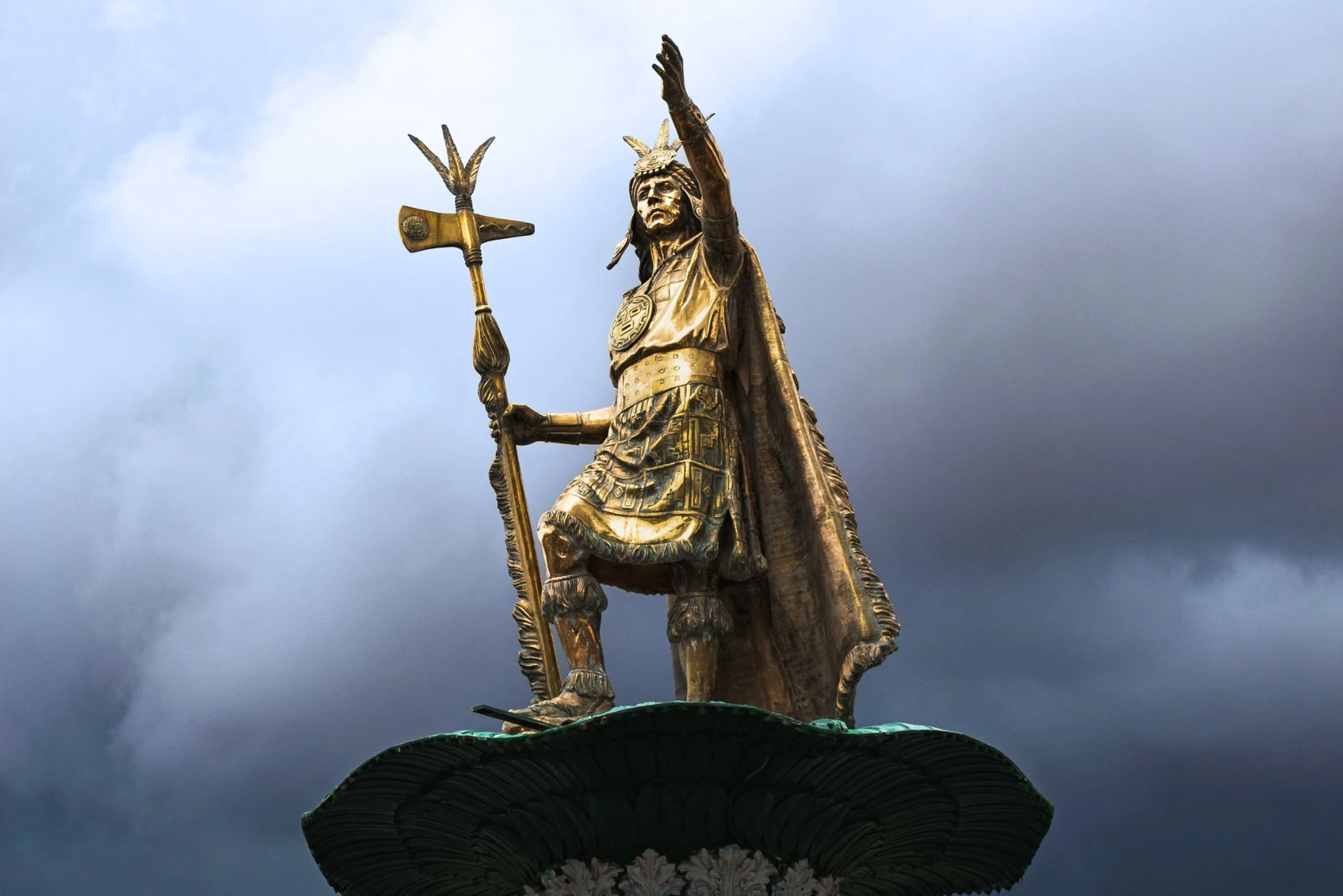
The Inca Empire had Cusco at its center and stretched across a huge area of South America. Its people built impressive stone cities, agricultural terraces, temples, and an extensive network of roads through some of the most challenging landscapes in the Andes.
Gold also played an important role in Inca society and religion.
For European explorers already fascinated by stories of El Dorado, discovering the wealth of the Inca Empire only encouraged the idea that even greater treasures might be waiting somewhere beyond the mountains.
And beyond the Andes was an enormous, largely unexplored world: the Amazon.
Where Is El Dorado?
So, where is El Dorado?
There is no confirmed location, since no archaeological evidence has ever proven the existence of the enormous golden city described in European legends. Over time, explorers placed El Dorado in different parts of South America, constantly moving the supposed location farther into unknown territory.
In Peru, however, another name appears in stories about hidden kingdoms: Paititi.
Paititi is not the same as El Dorado, but the two legends share a similar fascination with a wealthy and mysterious place hidden beyond the Andes.
According to legend, Paititi was somewhere east of the Inca territories, toward the Amazon. Its exact location remains unknown, and no archaeological discovery has definitively proven that the legendary kingdom existed.
Still, it is easy to see why the story survived.
The Road to El Dorado
There was never one official road to El Dorado. Instead, there were countless journeys through mountains, valleys, rivers, and forests as explorers searched for the legendary kingdom.
Today, we can experience some of these landscapes without searching for a city of gold.
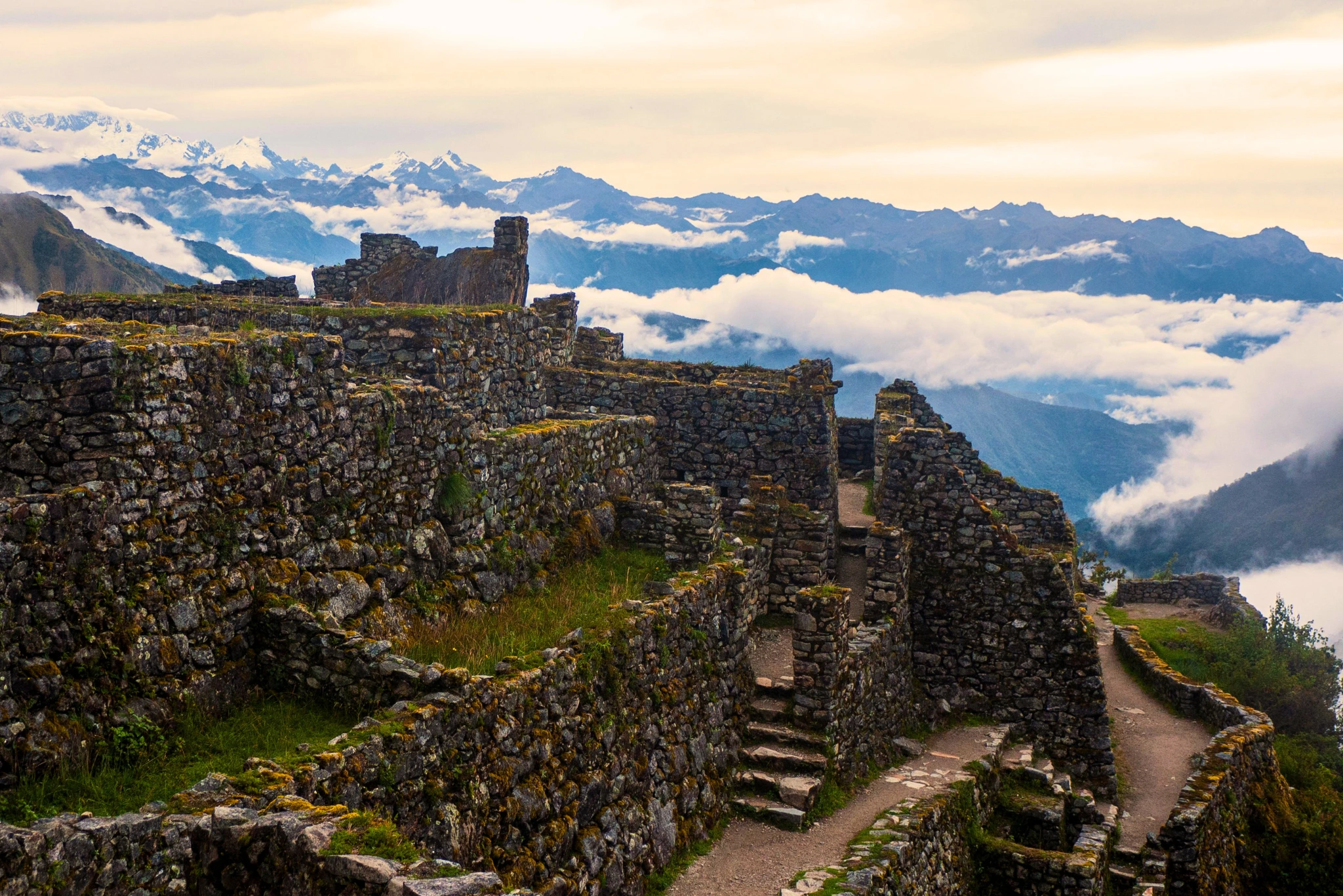
In Peru, the journey from Cusco through the Sacred Valley and toward Machu Picchu offers a glimpse into the world of the Incas. Farther east, the Andes descend into cloud forests and eventually into the Amazon, one of the most biodiverse regions on the planet.
The landscape changes dramatically, but the sense of discovery remains.
Perhaps that is what makes the idea of a road to El Dorado so appealing even today.
Is El Dorado Real?
If you mean a city made entirely of gold, there is no evidence that El Dorado is real. But the history behind the legend is based on real people, real cultures, and real places.
The gold was real. The great civilizations were real. The vast territories that European explorers barely understood were real.
The golden city was the part that became a myth.
And perhaps that makes the story even more interesting. El Dorado shows how a small piece of history can grow into a legend that survives for centuries.
Why Peru Still Feels Like the Land of Legends
You do not need to find El Dorado to understand why Peru inspired stories of hidden cities and lost kingdoms.
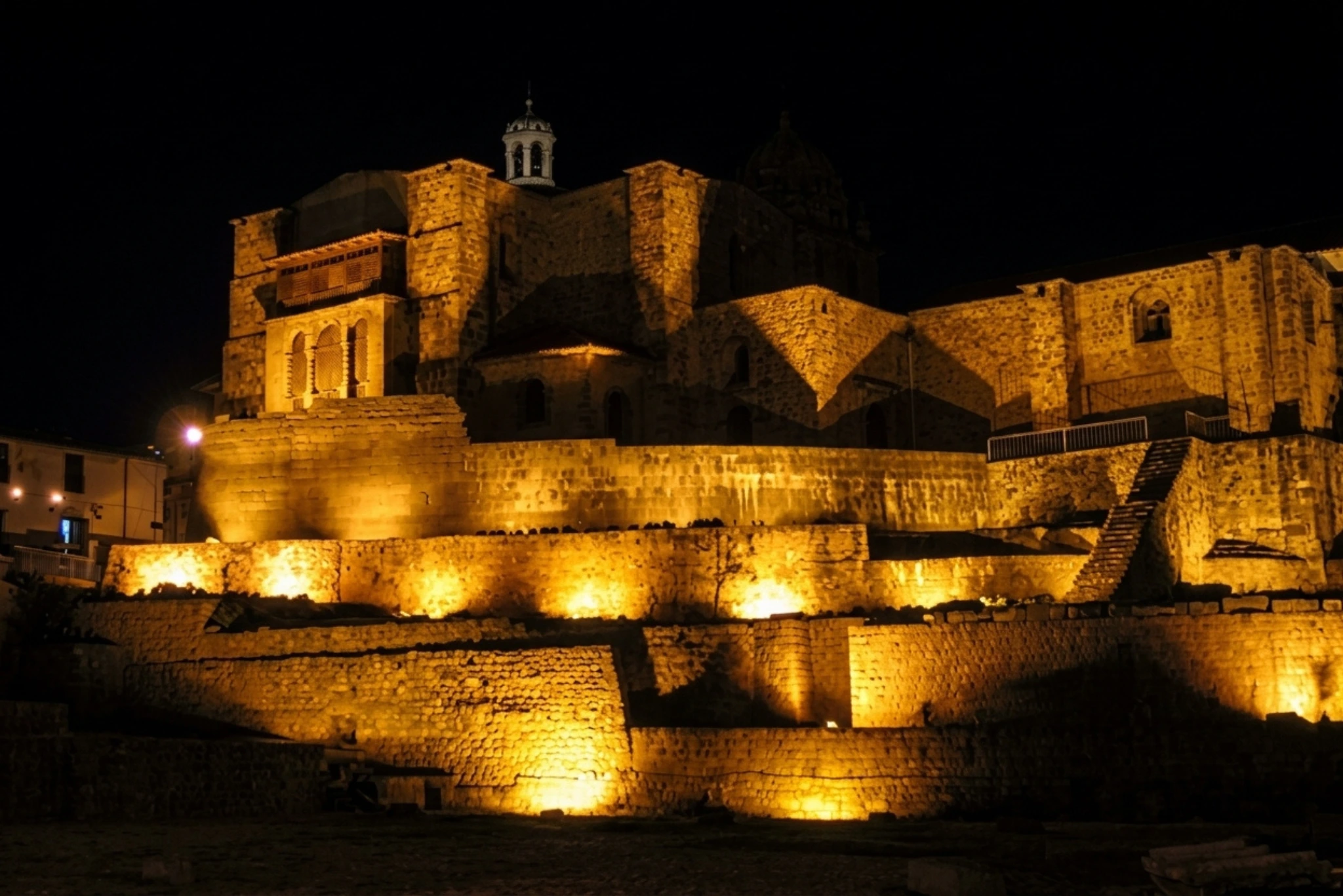
Walk through Cusco and you can still see the foundations of the Inca capital. Travel through the Sacred Valley and ancient agricultural terraces appear between the mountains. Visit Machu Picchu and you are surrounded by a landscape that feels almost unreal.
Then head east, where the Andes meet the Amazon.
Here, the scenery becomes wilder and more remote. Rivers cut through the rainforest, mountains disappear beneath vegetation, and archaeological mysteries continue to attract researchers and travelers.
For anyone fascinated by ancient civilizations, El Dorado in Peru is therefore less about finding a golden city and more about exploring the real history and landscapes that made such legends possible.
The Original El Dorado: A Story from Colombia
There is one important detail to clarify: The original El Dorado legend is associated with the Muisca people of present-day Colombia, particularly the story of Lake Guatavita. As Spanish explorers traveled through South America, however, the legend changed and its supposed location moved across the continent.
Peru became part of that story because of the Inca Empire and the vast territories beyond the Andes that remained unknown to European explorers.
So, was El Dorado in Peru?
No confirmed golden city has ever been found in Peru. But Peru became part of the greater legend of lost kingdoms, hidden riches, and unexplored lands that captivated explorers for centuries.
And today, you can experience something far better than a mythical city of gold: the real Peru.
From the ancient streets of Cusco to Machu Picchu and the Amazon, the journey reveals a country filled with history, living traditions, and landscapes that still inspire a sense of adventure.
Maybe the real road to El Dorado was never about finding gold. Maybe it was about discovering a world worth exploring.
Ready to Explore Peru?
Follow your own road to El Dorado with Peruvian Sunrise and discover the ancient history, extraordinary landscapes, and cultural treasures of Peru.
And if the legend has sparked your curiosity about its origins, you can even combine your journey with Colombia, exploring two fascinating destinations connected by one of South America's most enduring stories.