

Peru has officially introduced Rebeca, a new artificial intelligence travel assistant designed to help visitors plan personalized trips across the country. The platform was officially launched on July 21 during an event at PROMPERÚ, where tourism and technology leaders presented a new approach to connecting travelers with reliable information and authentic experiences throughout Peru.
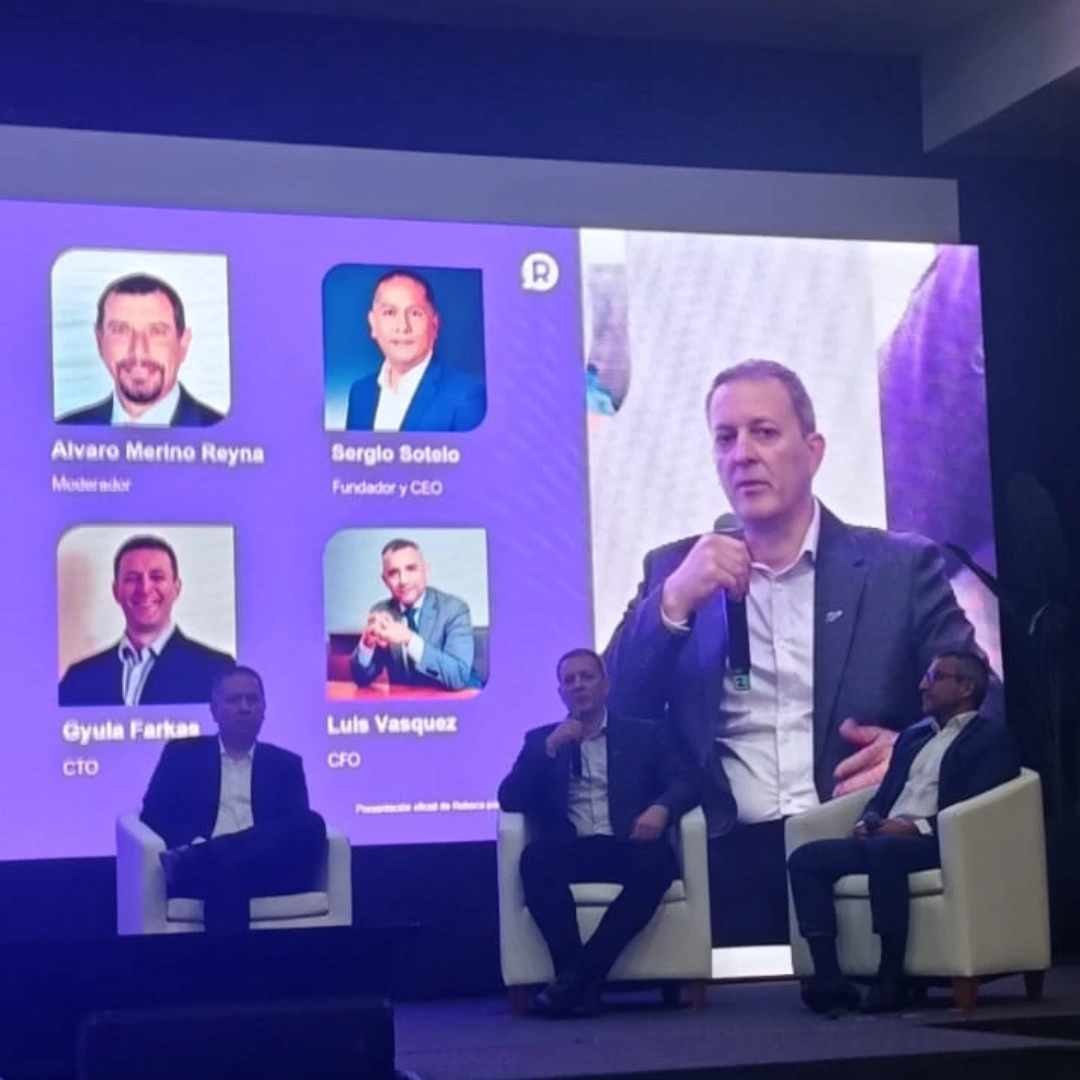
Developed by the Peruvian startup Euler Innovations, Rebeca was created to address some of the main challenges facing Peru's tourism industry. During the presentation, the team explained that their research found many travelers struggle to find trustworthy, personalized information when planning a trip, while most visitors continue to concentrate on only a small number of Peru's destinations. At the same time, many tourism businesses and local communities still have limited digital visibility, making it difficult for international travelers to discover them.
Unlike general-purpose AI assistants, Rebeca has been developed specifically for the tourism sector. The platform offers personalized recommendations based on each traveler's interests, budget, travel style, and available time, using verified and up-to-date tourism information. It will be available through WhatsApp, Instagram, and the web, making it easy for travelers to access recommendations before and during their trip.
The idea for Rebeca was born while Sergio Sotelo was studying at the Massachusetts Institute of Technology (MIT). After returning to Peru, he co-founded Euler Innovations together with Luis Vásquez from Peru and Gyula Farkas from Canada. During the launch, Sotelo also shared the story behind the assistant's identity: Rebeca is imagined as being from Paracas, a destination known for its connection to the sea, and her name was inspired by his daughter. The concept reflects the team's vision of creating an AI assistant with a warm, approachable personality while showcasing Peru's diverse destinations.
During the event, the team emphasized that artificial intelligence is not meant to replace the human side of travel but to enhance it. By automating repetitive tasks and providing reliable information, AI allows tourism businesses to focus on what matters most: creating memorable experiences for their guests. They also highlighted the importance of building a connected tourism ecosystem where hotels, tour operators, guides, restaurants, and community-based experiences can become more visible to travelers looking for authentic experiences across Peru.
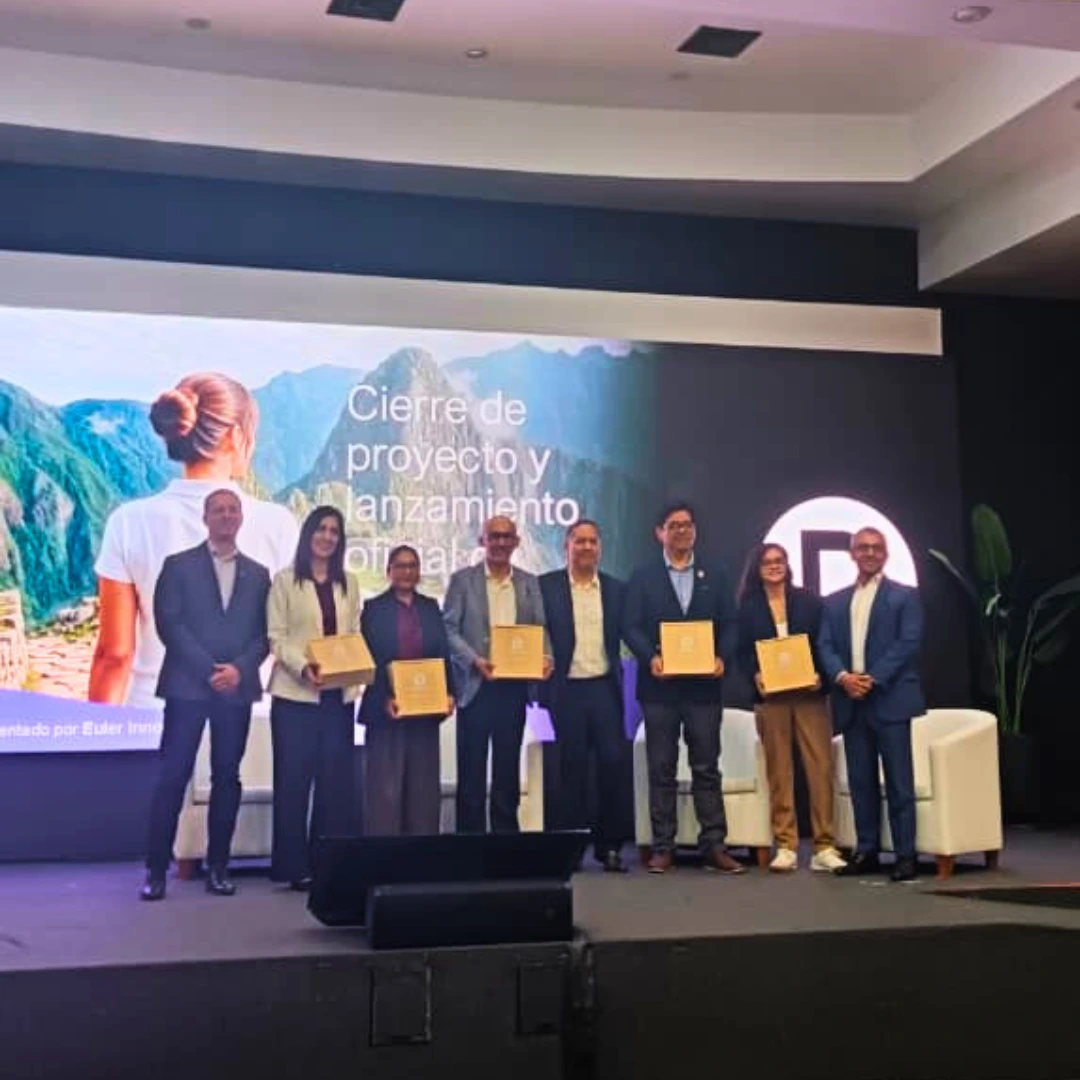
Mario Rodríguez, General Manager of Microsoft Peru, highlighted that few countries have the privilege of offering thousands of years of history and culture in a single destination. He explained that artificial intelligence can help connect more people with Peru's rich heritage while making travel planning easier, more personalized, and more accessible for visitors from around the world.