
Hello, dear reader! Did you know Peru has more than 1500 dances and some of them are considered UNESCO Intangible Cultural Heritage?
If you are planning a trip to Peru, there is something you should know: Peru is a country that loves to dance. Dancing here is not only about music or shows. It is a way to tell stories, celebrate life, honor ancestors, and express emotions.
Across the coast, the Andes, and the Amazon rainforest, Peruvian dances reflect history, culture, and everyday life. In this article, you will discover some of the most traditional dances of Peru, explained in a simple and friendly way, perfect for travelers who want to understand the country beyond the classic tourist attractions. Let's start!
List of Typical Dances of Peru:
Marinera Norteña
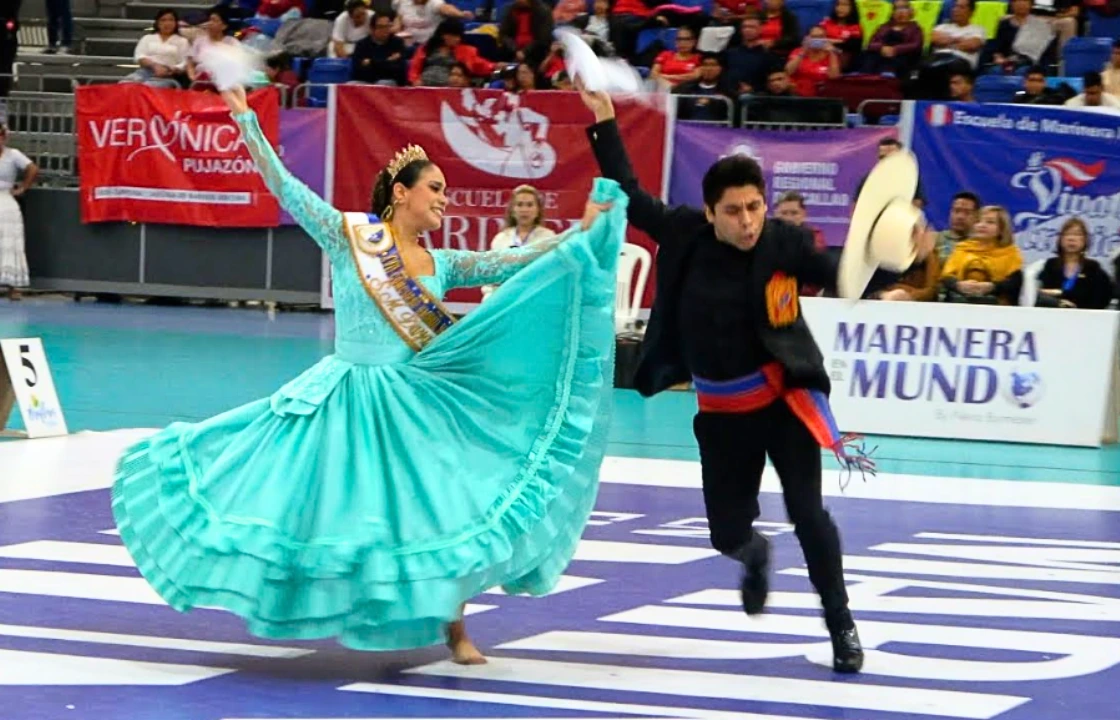
The Marinera Norteña is the most famous traditional Peruvian dance and is considered the national dance of Peru. It comes from the northern coast, especially cities like Trujillo, Chiclayo, and Piura.
It is a romantic and playful dance where a man and a woman dance with white handkerchiefs. The man usually dances barefoot and wears a straw hat, while the woman wears a wide and elegant dress. The dance is divided in these parts: "Saludo", "paseo", "el dulce", "la fuga", "escobillado o zapateo" and "final", and then the second part where you repeat this process.
Why is Marinera important to Peru?
Because it represents national pride, tradition, and identity. Every year, big festivals are held to celebrate it.
Marinera Limeña
The Marinera Limeña was born in Lima and has a more elegant and calm style. It reflects the old traditions of the city and its colonial past.
This version is slower and more delicate than the northern Marinera, focusing on posture and graceful movements.
Huayno
The Huayno is one of the oldest and most popular dances in Peru. It is danced in many regions, especially in the Andes.
Its music and steps express love, sadness, happiness, and daily life in the mountains.
Zamacueca
The Zamacueca is an old dance that influenced many dances in South America.
It mixes Spanish, African, and indigenous elements and shows how different cultures came together in Peru.
Diablada Puneña
The Diablada Puneña comes from Puno, near Lake Titicaca. Dancers wear colorful costumes and large devil masks.
This dance tells the story of the fight between good and evil and mixes ancient Andean beliefs with Catholic traditions.
Danza de Tijeras (Scissors Dance)
The Scissors Dance is one of the most impressive Peru dances. It comes from the Andes, mainly Ayacucho, Huancavelica, and Apurímac.
Dancers perform difficult jumps and movements while holding two metal blades that make sound. It is a dance of strength, skill, and respect for nature.
Tondero
The Tondero is a joyful dance from northern Peru. It has strong Afro-Peruvian and rural influences.
It is lively and expressive and is considered one of the roots of the Marinera.
Peruvian Waltz (Vals Peruano)
The Peruvian Waltz is a local version of the European waltz. It is popular in Lima and coastal cities.
This dance is usually romantic and emotional, often danced to songs about love and memories.
Peruvian Polka
The Peruvian Polka is a fast and happy dance that arrived from Europe but changed over time. Today, it is part of family celebrations and traditional parties.
Huaylarsh
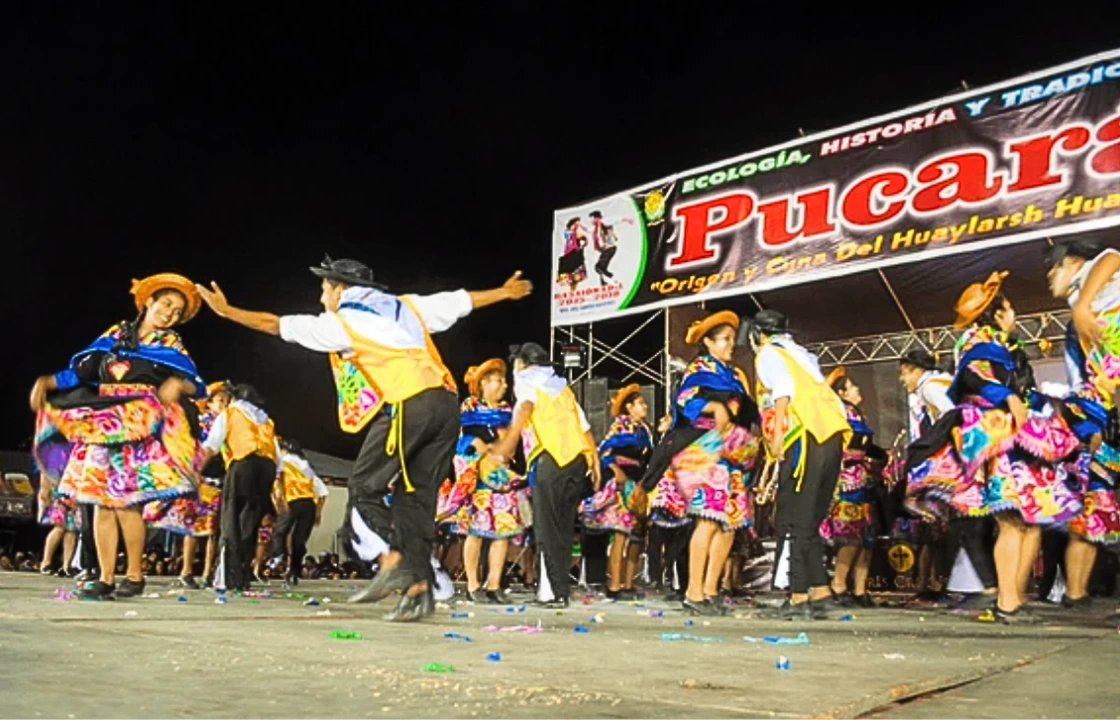
The Huaylarsh comes from the central Andes, mainly the region of Junín. It is a very energetic dance.
It celebrates farming, harvest time, and the close relationship between people and the land.
Festejo
If you are asking how is Peruvian Festejo dance, it is full of energy and rhythm. The Festejo is an Afro-Peruvian dance with strong drum beats and expressive movements. It represents joy, freedom, and cultural pride.
Landó
The Landó is another Afro-Peruvian dance, but slower and more emotional than the Festejo. Its rhythm is deep and calm, and it expresses feeling and history.
Alcatraz
The Alcatraz is a fun and playful dance. One dancer tries to light a small piece of paper attached to the other dancer’s back, without touching them.
It is usually danced during shows and celebrations and always makes people smile.
Danza de los Negritos
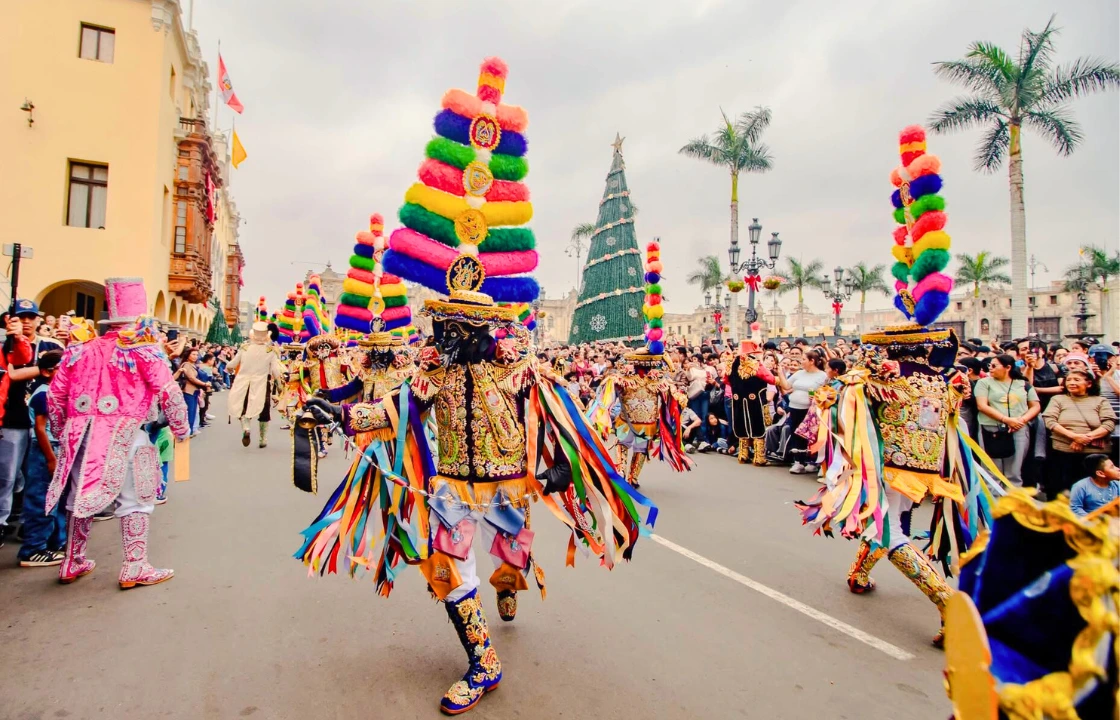
The Danza de los Negritos comes from colonial times and represents Afro-Peruvian history. It is often danced during Christmas celebrations in the city of Huánuco.
Morenada
The Morenada is popular in southern Peru. With heavy costumes and slow movements, it remembers difficult times but also celebrates strength and culture.
Saya
The Saya is danced in southern Peru and nearby regions. It is based on strong drums and group movements that show unity and identity.
Wititi
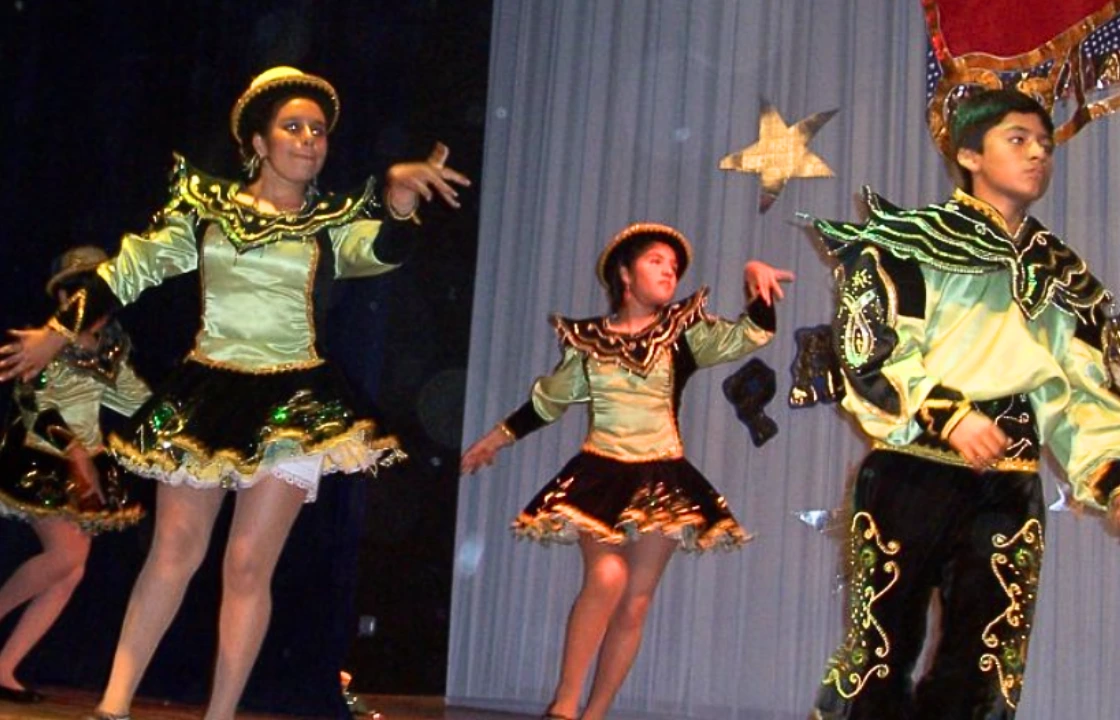
The Wititi dance comes from the Colca Valley. Men and women dance together wearing colorful clothes, showing love and courtship.
Pandillas
The Pandillas are group dances often seen during carnivals. They are social, fun, and open for everyone to join.
Cuadrilla
The Cuadrilla is a group dance with European influence. It is usually danced during festivals and special events.
Contradanza
The Contradanza arrived during colonial times and became part of Peruvian celebrations.
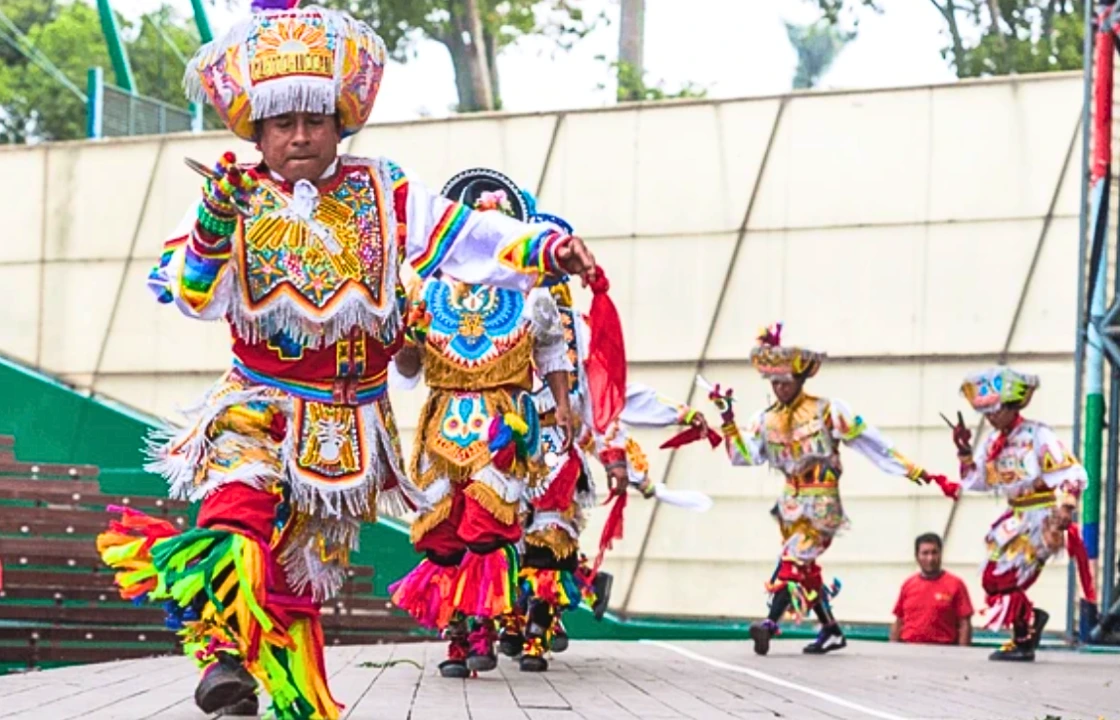
Tunantada
The Tunantada comes from the region of Junín. It is a colorful dance that represents different characters from colonial society.
Pallas de Corongo
The Pallas de Corongo is a traditional dance that honors Andean women and ancient traditions.
Danza de la Anaconda
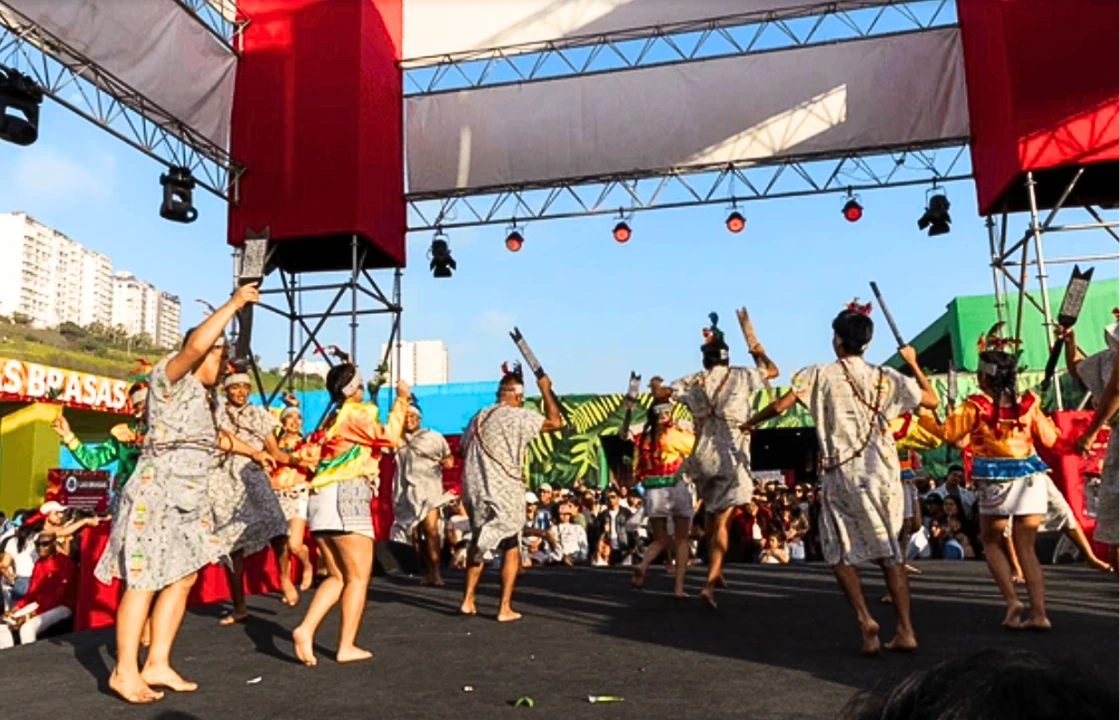
The Danza de la Anaconda comes from the Amazon rainforest. It represents respect for nature and the animals of the jungle.
Sitaracuy
The Sitaracuy is a playful Andean dance. It represents flirting and affection through fast movements.
Buri Buriti
The Buri Buriti is an Amazonian dance inspired by daily life in the jungle.
Why discover Peruvian Dances while traveling?
Learning about typical dances in Peru helps you understand the country in a deeper way. Each dance tells a story about the people, the land, and their history.
At Peruvian Sunrise, we believe travel is about real experiences. We invite you to discover Peru through its culture, its people, and its traditions.
Travel with us and feel the true rhythm of Peru
Frequently Asked Questions (FAQs)
How many Peruvian dances are there?
There are more than 1,500 traditional dances registered in Peru.
What is the most traditional dance in Peru?
The Marinera is considered the most traditional and representative dance of the country.
Where in Peru is Marinera popular?
Marinera is most popular on the northern coast, especially in Trujillo and nearby cities.
Are Peruvian dances hard to learn?
Some are simple and social, while others need years of practice. Anyone can enjoy watching or trying them.
Can tourists see traditional dances in Peru?
Yes. Many festivals, cultural shows, and local events include traditional dances all year round.
Why are dances so important in Peru?
Because dance is a way to share history, emotions, and cultural identity from one generation to another.