
Hello, dear reader! Peruvian cuisine is known for its variety, and that does not stop with savory dishes. Peru also has a fascinating tradition of sweets, with recipes that tell stories about the country’s history, its regions, and the cultures that have shaped its cuisine over the centuries.
Some of these desserts have roots in the colonial period, while others combine ingredients and techniques brought by the Spanish with products that were already part of Peruvian cooking. Many were prepared in convents, homes, and small pastry shops, and their recipes were passed down through generations.
If you have a sweet tooth, Peru has plenty to discover. Some desserts are well known across the country, while others are closely connected to a particular city or region.
Here are 25 traditional Peruvian desserts worth knowing about:
1. Guargüero
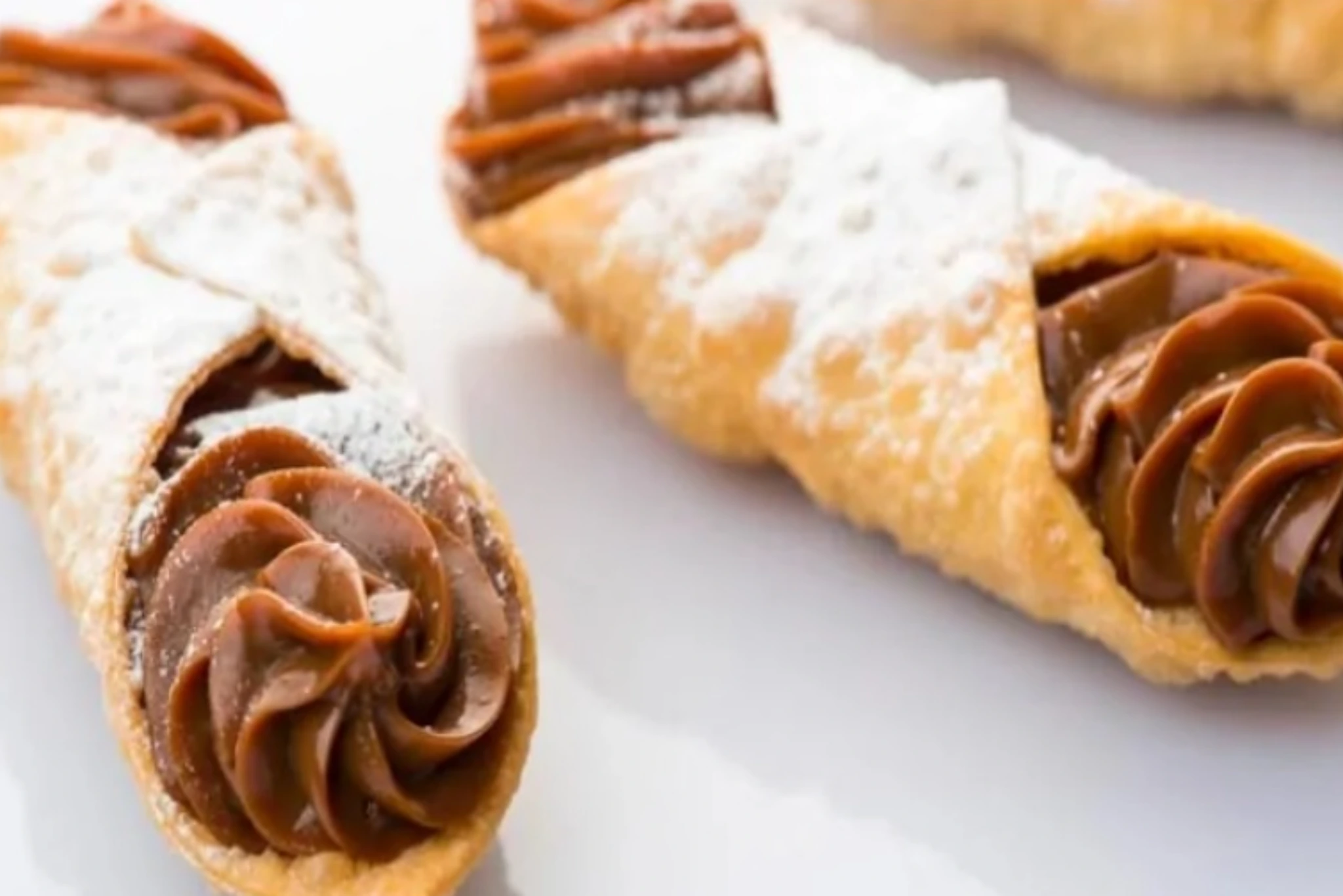
Guargüeros are made with thin strips of fried dough shaped like little bows or ties, then filled with manjar blanco, the creamy milk-based filling that appears in many Peruvian sweets.
They are a good example of the kind of traditional pastry you may come across when exploring Peru’s regional sweets. Simple ingredients, a little frying, and a generous filling turn them into a very satisfying treat.
2. Bola de Oro
Bola de Oro is one of those traditional Peruvian sweets with an elegant name and an equally interesting place in the country’s pastry tradition.
Its preparation is associated with Lima’s traditional confectionery, where rich ingredients and carefully prepared layers were often used to create special desserts. It is the kind of sweet that reminds you that Peruvian desserts are not only about everyday treats, but also about recipes connected to celebrations and family traditions.
3. Leche Asada
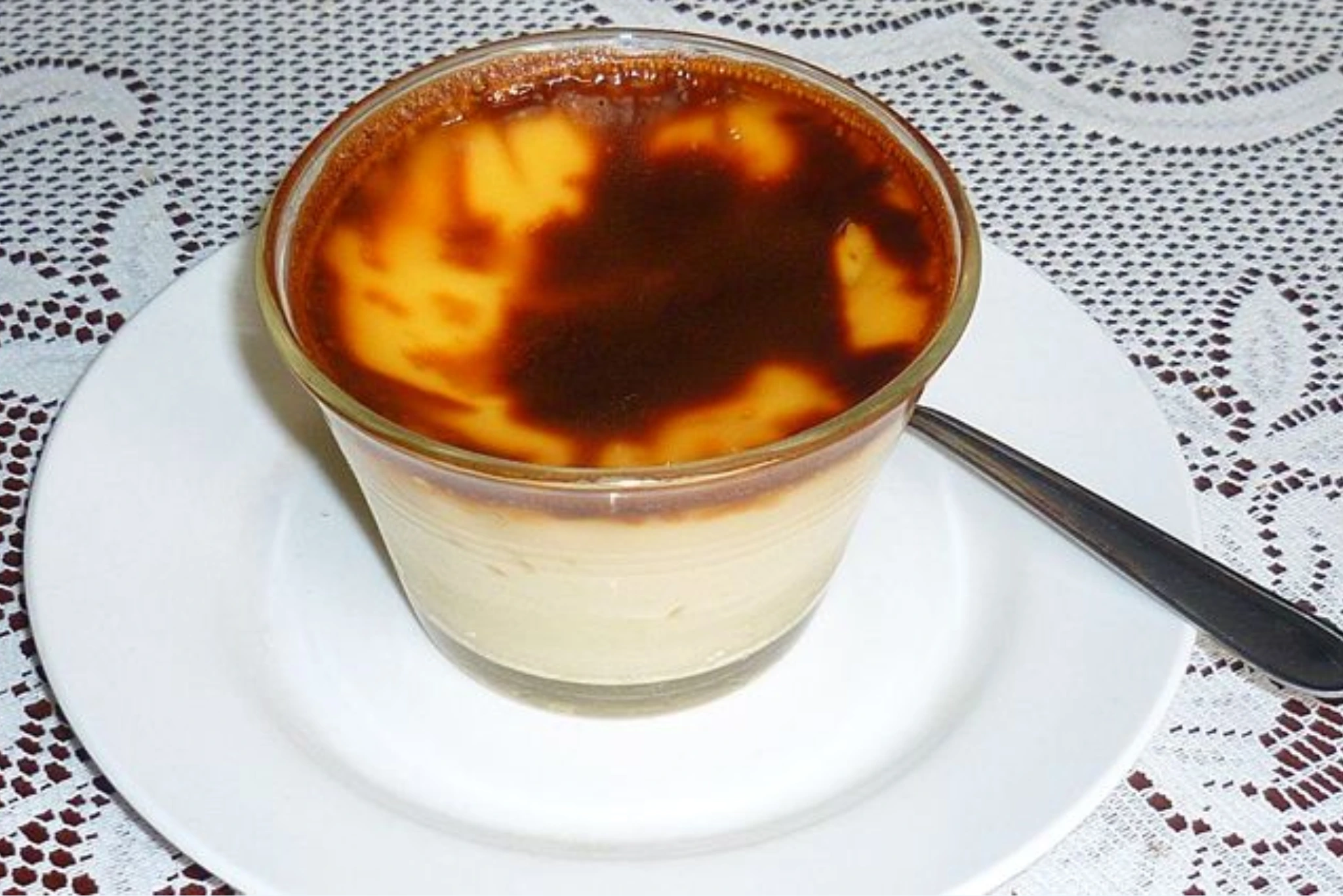
Leche asada is a creamy dessert made with milk and eggs, with a lightly caramelized surface created during baking.
It has similarities to other custard desserts found around the world, but it has become a familiar part of Peruvian dessert culture. The contrast between the soft, creamy interior and the toasted top makes it a classic choice for anyone who enjoys simple desserts with a homemade feel.
4. Ranfañote
Ranfañote is one of the most fascinating desserts in this list, especially because it is closely connected to the idea of making good use of what was available.
It traditionally uses stale bread, combined with cheese, chancaca syrup, toasted bread, and dried fruits. This unusual combination creates a sweet and savory dessert with plenty of texture.
Ranfañote is often described as one of the oldest desserts in the Americas. Its history also reflects the way different culinary traditions came together in Peru, creating something that could not be reduced to just one cultural influence.
5. Frejol Colado
Frejol colado is a traditional sweet from Chincha, on Peru’s central coast.
As its name suggests, cooked beans are part of the recipe. They are prepared with sugar, cinnamon, milk, and cloves until they become a smooth and creamy dessert.
It may sound surprising if you have never tried beans in a sweet preparation, but this is precisely what makes traditional Peruvian desserts so interesting. Ingredients that you might normally associate with savory dishes can take on a completely different role.
6. Budín
Traditional Chancay budín is another dessert with a strong connection to Peru’s coastal culinary traditions.
This version is prepared with ingredients such as port wine and apple, creating a rich dessert with a soft texture and a distinctive flavor.
Budín also reflects an important part of Peruvian home cooking: finding creative ways to turn simple ingredients into something special.
7. Champú
Champú is a traditional dessert with roots in the colonial period. Its recipe combines Andean and Spanish influences, using ingredients such as mote, fruit, and spices.
Unlike many desserts that are served cold, champú is traditionally eaten hot. It became particularly well known in places such as Chiclayo and Lima.
There is also a charming piece of history behind it. During the colonial and republican periods, champuseras sold this warm dessert in the streets during the afternoons. The image of people stopping for a hot bowl of champú gives this dessert a very strong connection to everyday life in historic Lima and other parts of Peru.
8. Tocino del Cielo
Tocino del cielo has Spanish origins and was incorporated into Peru’s rich pastry tradition.
It is made mainly with egg yolks and sugar, creating a smooth, caramelized dessert. The Peruvian version can also include a base of grated coconut, adding another layer of texture and flavor.
Like several traditional sweets in Peru, its history is connected to the influence of Spanish cooking and the role of convents in the development of local pastry traditions.
9. Arroz con Leche de Convento
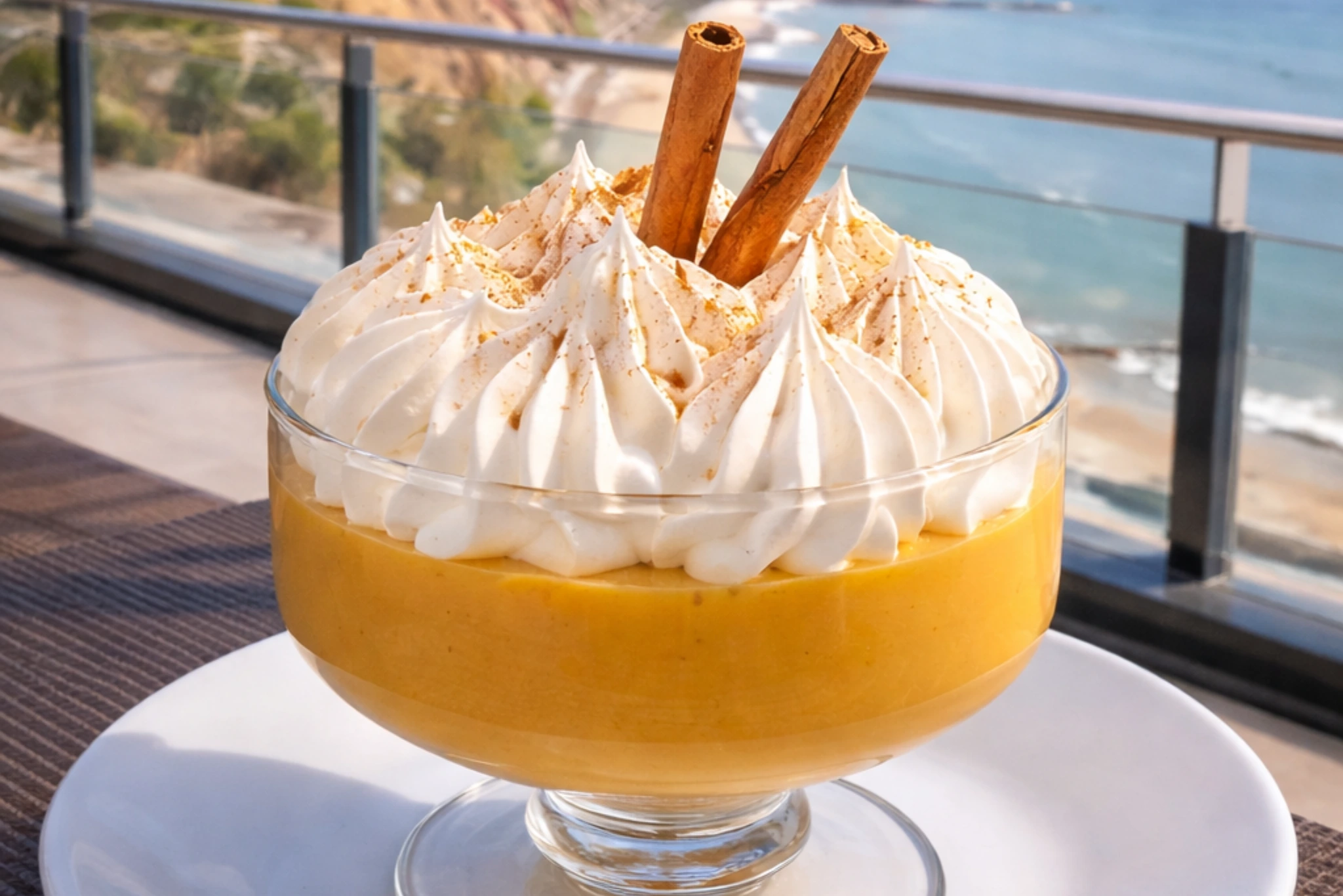
Rice pudding may be familiar in many parts of the world, but Peru has its own versions and traditions surrounding this comforting dessert.
Arroz con leche de convento is a particularly creamy preparation made with three varieties of milk. It is based on recipes associated with cloistered nuns, adapting the rice pudding brought to the Americas by the Spanish.
The result is rich, creamy, and very much connected to Peru’s convent pastry heritage.
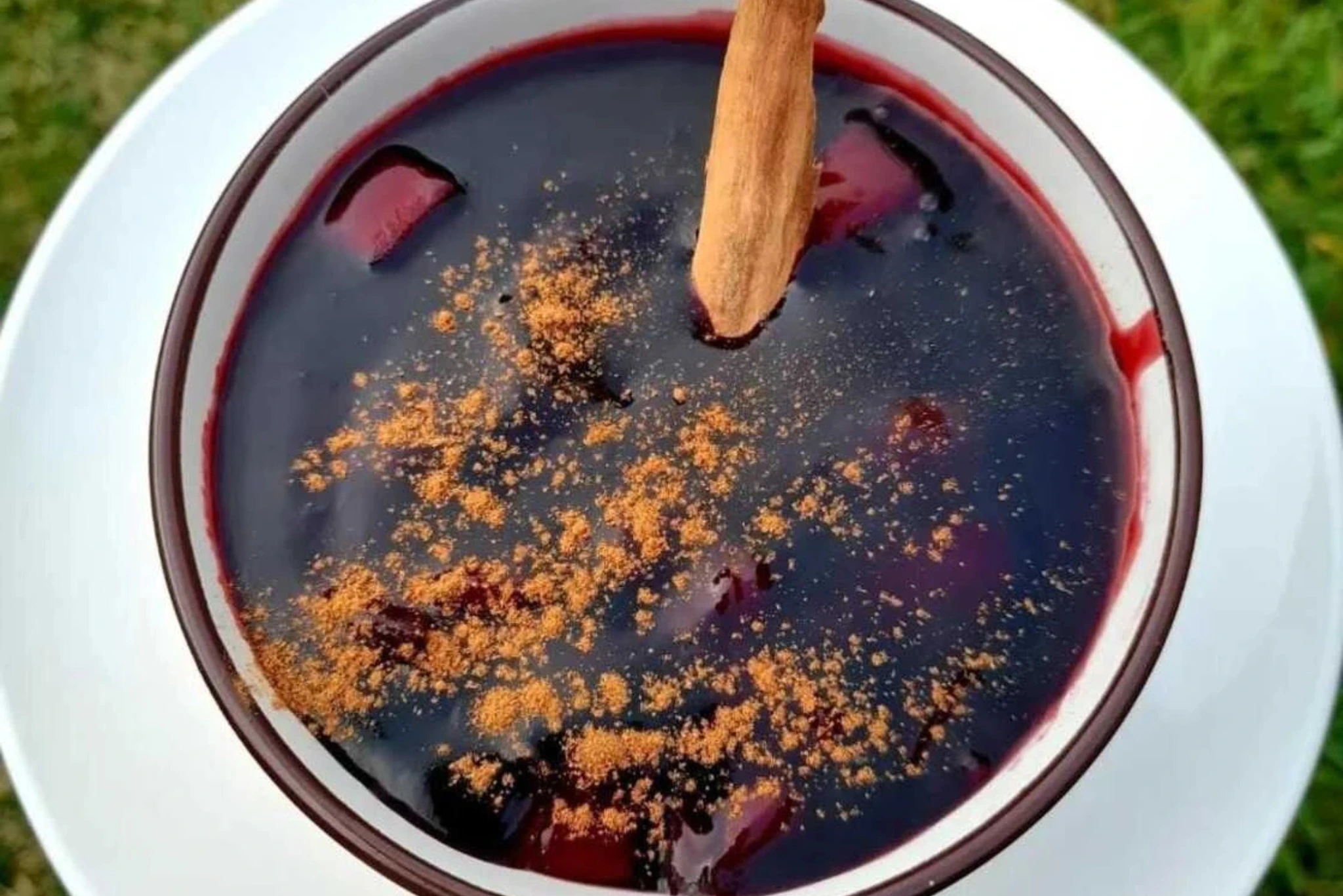
10. Mazamorra Morada
Mazamorra morada is one of the best-known traditional Peruvian desserts.
Its deep purple color comes from purple corn, one of the ingredients that gives Peruvian cuisine so much of its visual identity. Traditional preparations can also include sweet potato flour, dried plums, and spices, creating a thick dessert with a texture similar to a fruit compote.
It is a true criollo dessert and an essential part of Peru’s sweet culinary tradition.
11. Suspiro a la Limeña
Few Peruvian desserts are as famous as suspiro a la limeña. This creamy, caramelized dessert is topped with a generous portion of meringue. The combination of a rich, sweet base and light meringue makes it easy to understand why it became one of the most popular desserts in Peru.
Its name is also part of its charm. Suspiro a la limeña literally refers to a “Lima sigh,” giving the dessert a distinctly romantic connection to the capital.
If you are exploring traditional Peruvian desserts for the first time, this is one you will probably hear about very quickly.
12. Melcocha
Melcocha is a traditional dessert strongly associated with Tacna and its culinary heritage. It is made with chancaca, sugar, and water, and the preparation is done by hand. The result is a chewy, sweet treat with a very distinctive texture.
Traditionally, melcocha was also sold outside schools, making it part of the everyday memories of generations of children in Tacna. It is a good reminder that culinary heritage is not only found in restaurants or cookbooks. Sometimes it lives in the snacks people remember from childhood.
13. Mazapanes
Peruvian mazapanes have their roots in the colonial period and are associated with convent pastry traditions.
They are made with ground almonds, powdered sugar, and egg whites. The combination creates a delicate sweet that reflects the careful confectionery techniques used in colonial convents.
Convents played an important role in the development of many Peruvian sweets, as nuns prepared and passed down recipes that later became part of the country’s broader culinary heritage.
14. Camotillo
Camotillo is a traditional sweet from Chincha made with sweet potato.
It is essentially a sweet piece of camote prepared as a dessert, showing once again how important native Peruvian ingredients are in the country’s confectionery traditions.
Sweet potato has been part of the cuisine of this region for generations, and camotillo gives it a simple but memorable place in the world of Peruvian desserts.
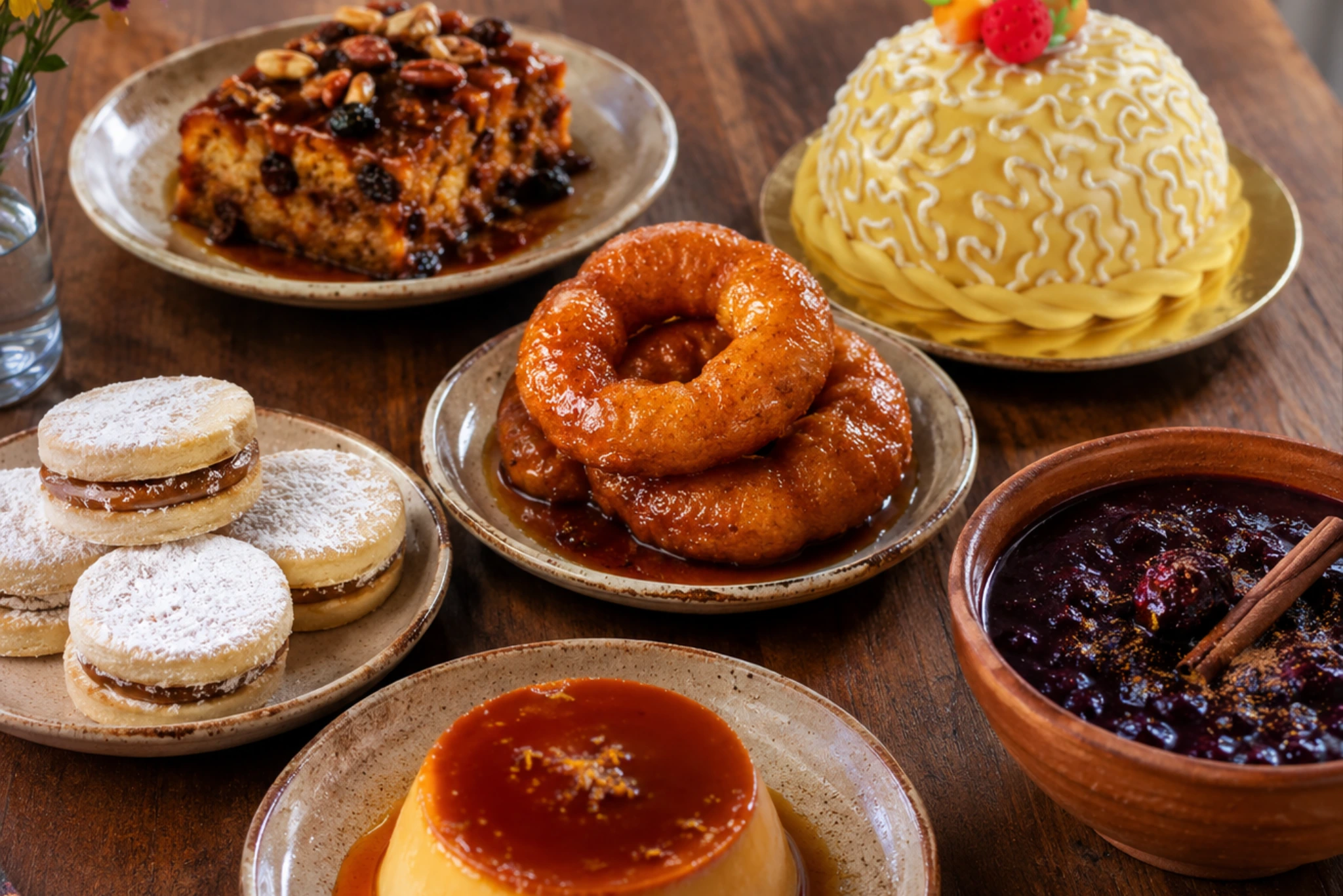
15. Alfajores
Alfajores are among the most recognizable traditional sweets in Peru, although their history goes well beyond the country. The original sweet has Arabic roots and was brought to Peru during the Viceroyalty. Over time, it became part of Lima’s pastry tradition, particularly through the influence of convents.
The name is connected to the filling, and the traditional recipe consisted of two thin cookies joined together with manjar blanco.
Today, you can find many variations of alfajores, like the "cuchareables de alfajor", but their long history makes them much more than just another cookie.
16. Maná
Maná is a traditional sweet dating back to the colonial period.
It is made with egg yolks, sugar, and milk, resulting in a rich and delicate confection. Like several other sweets on this list, its history is closely linked to the pastry traditions that developed in Peruvian convents.
It is one of those desserts that gives you a glimpse into a very different chapter of Peru’s culinary history.
17. Abrillantada
Abrillantada is another sweet connected to Peru’s colonial convent tradition.
It can be made with ingredients such as sweet potato, carrot with orange, egg yolks, almonds, or sugar. Its most distinctive feature is the shiny finish created with powdered sugar.
The small pieces look almost like little jewels, which helps explain the name and gives this traditional sweet a particularly delicate appearance.
18. Arroz Zambito
Arroz zambito is a traditional Lima dessert derived from arroz con leche, but with an important difference.
Instead of the lighter color and flavor of classic rice pudding, arroz zambito gets its darker color and deeper caramelized sweetness from chancaca.
It is a very Lima dessert, both in its history and in the way it transformed a familiar preparation into something with its own identity.
19. Tejas
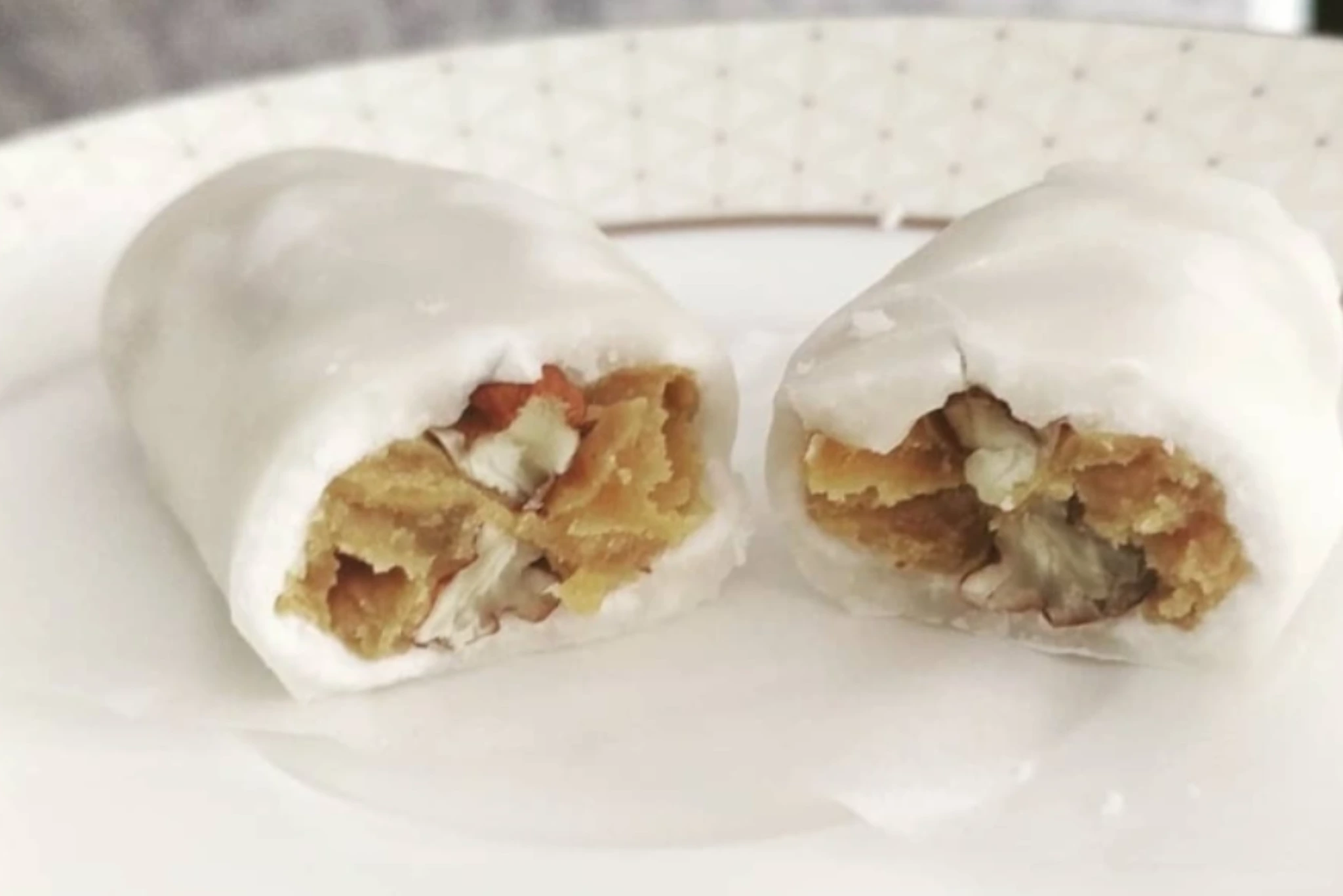
Tejas are traditional sweets from the Ica region and are closely associated with the area’s confectionery tradition.
They are made with a dried fruit or candied fruit and filled with manjar blanco, then covered with a hard layer of whipped white sugar. There are also chocolate-covered versions known as chocotejas.
If you visit Ica, keep an eye out for these sweets. They make a particularly nice edible souvenir, especially if you want to take home something that is closely connected to the region.
20. Limón Relleno
Limón relleno is another traditional sweet associated with Ica, although its story begins in the viceregal convents of Lima.
The recipe uses candied lemon peel filled with manjar blanco. The combination of citrus and the creamy sweetness of the filling makes it quite different from many other Peruvian desserts.
It is also a lovely example of how recipes can travel between regions and continue developing as part of local culinary traditions.
21. Sanguito
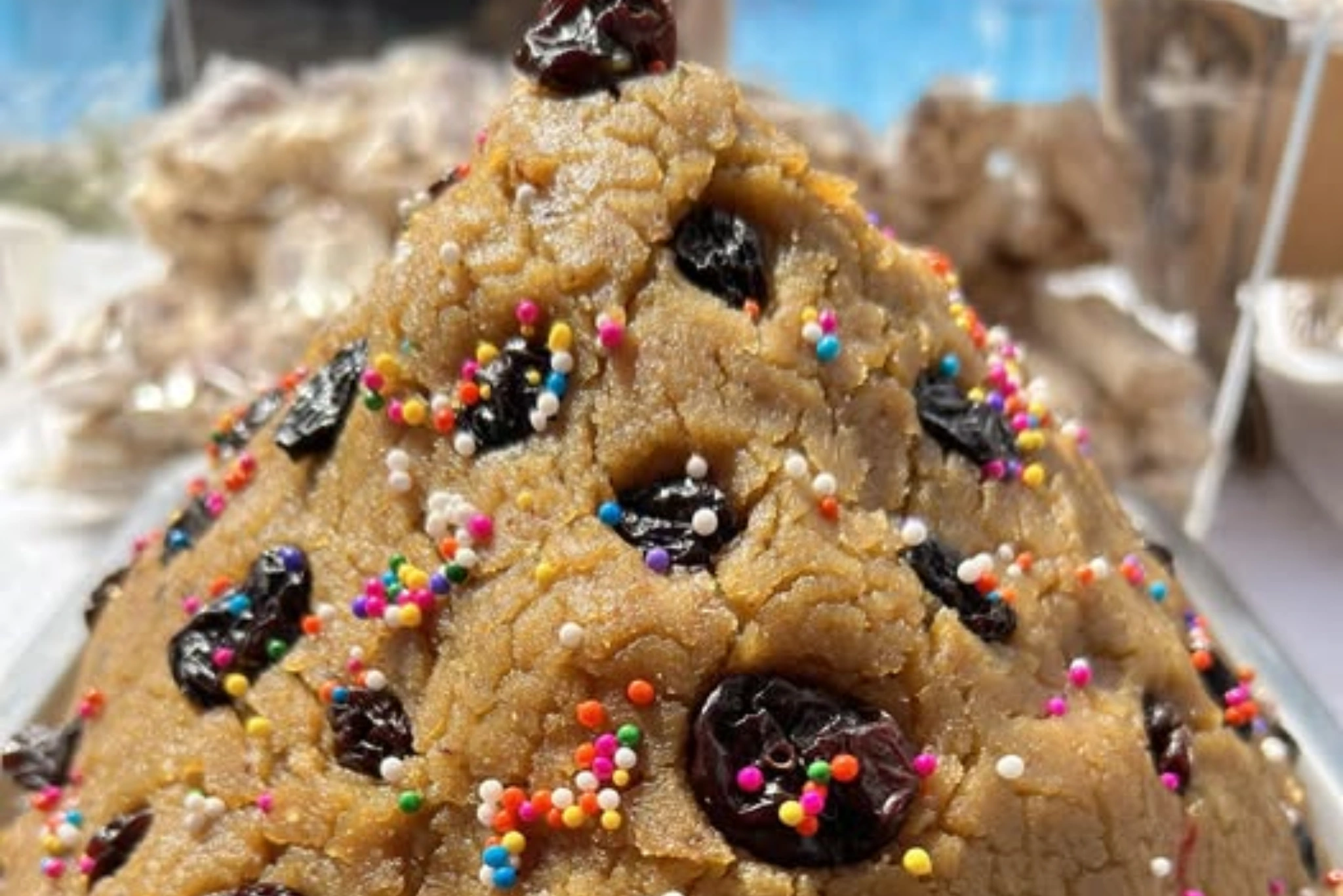
Sanguito is a traditional sweet made with corn flour and chancaca.
It has a soft, dense texture and is usually decorated with colorful sprinkles, giving it a cheerful appearance that makes it easy to recognize.
Its combination of corn and chancaca also highlights two ingredients that have played an important role in Peru’s culinary history.
22. Mazamorra de Cochino
The unusual name of mazamorra de cochino comes from one of its original ingredients: pork fat, traditionally known as manteca de cochino.
This colonial-era dessert is made with wheat flour, cinnamon, cloves, anise, orange peel, chancaca, and milk. The spices give it a warm, aromatic flavor, while the chancaca adds its characteristic sweetness.
It is a great example of how historic Peruvian recipes can surprise you. Even the name can tell you something about how the dish was originally prepared.
23. Picarones
Picarones are one of Peru’s most beloved traditional sweets, especially when served warm with chancaca syrup.
Their history goes back to the Viceroyalty, when Spanish buñuelos were adapted using ingredients that were already part of the local culinary tradition, including sweet potato and squash.
The result was a distinctly Peruvian dessert: rings of fried dough with a soft interior, usually served with sweet syrup poured over the top.
If you are looking for a traditional Peruvian dessert that is easy to find and fun to eat, picarones are a great place to start.
24. Crema Volteada
Crema volteada is a classic Peruvian caramel custard made with condensed milk, evaporated milk, and eggs.
It is similar in style to flan, but it has become a well-established dessert in Peruvian cuisine in its own right. Once it is turned out of its mold, the caramel sauce runs over the smooth custard, giving it its characteristic appearance.
So, is flan a Peruvian dessert? Not exactly. Flan has a much broader history and is enjoyed in many countries. In Peru, however, crema volteada is one of the traditional caramel custards you are likely to encounter.
25. Voladores
Voladores are a traditional sweet associated with Moquegua and its convent pastry heritage.
They are filled with a manjar blanco filling and have a distinctive shape that resembles a flying saucer, which explains their memorable name. Like many of the sweets on this list, voladores show how regional recipes and convent traditions helped create the rich variety of Peruvian pastry.
Is Pionono a Peruvian Dessert?
Pionono is another sweet you may come across when exploring Peruvian pastry.
The name and basic rolled-cake tradition have Spanish roots, and similar desserts can be found in other parts of Latin America. In Peru, however, pionono became part of the local pastry tradition, commonly prepared as a soft rolled sponge cake with a sweet filling such as manjar blanco.
So, is pionono a Peruvian dessert? It is better described as a dessert with Spanish roots that has been adopted and developed as part of Peruvian confectionery.
What Desserts Go with Peruvian Food?
If you have just enjoyed a Peruvian meal, you have plenty of options for dessert.
After a hearty meal, a creamy dessert such as suspiro a la limeña or crema volteada can be a sweet way to finish. Picarones are another classic choice, especially if you want something warm and traditionally Peruvian.
For something with a stronger regional identity, look for tejas in Ica, frejol colado in Chincha, or traditional sweets associated with Lima’s historic pastry tradition. And if you are simply curious about peruvian food desserts, do not limit yourself to the most famous names. Some of the less common regional sweets have the most interesting stories behind them.
What Are Some Peruvian Desserts You Must Try?
There is no specific answer, because it depends on what you like. If you love creamy desserts, try suspiro a la limeña, crema volteada, leche asada, or arroz con leche. If you enjoy something with a little more texture, alfajores, picarones, guargüeros, and tejas are worth looking for.
And if what interests you most is history, try some of the desserts with strong colonial or regional connections, such as ranfañote, champú, mazapanes, melcocha, or mazamorra de cochino...That is part of the fun of discovering traditional Peruvian desserts: The more you look, the more you realize that every region has its own sweet stories to tell.
A Sweeter Side of Peru
Peruvian desserts are more than something to eat after lunch, they are part of Peru culinary heritage. Some recipes preserve the influence of Spanish and other European or even African traditions. Others use ingredients that have been part of Peru’s cuisine for centuries. Many passed through convents, family kitchens, markets, and streets before becoming the traditional sweets people know today.
And that is what makes trying a Peruvian dessert during your trip so interesting. You are not simply tasting something sweet. You are getting a small piece of the history and culture of the place you are visiting.
At Peruvian Sunrise, we are a Peru travel agency helping travelers experience the country beyond the usual highlights. If you would like to explore Lima’s food and history, discover the flavors of northern Peru, or include local culinary experiences in your Peru travel packages, we can help you plan a journey around the places and experiences you want to enjoy.
Ready to taste Peru for yourself? Contact us and start planning your trip.