

Hello, dear reader! Traveling is about creating unforgettable memories, but these days…it's also about sharing them.
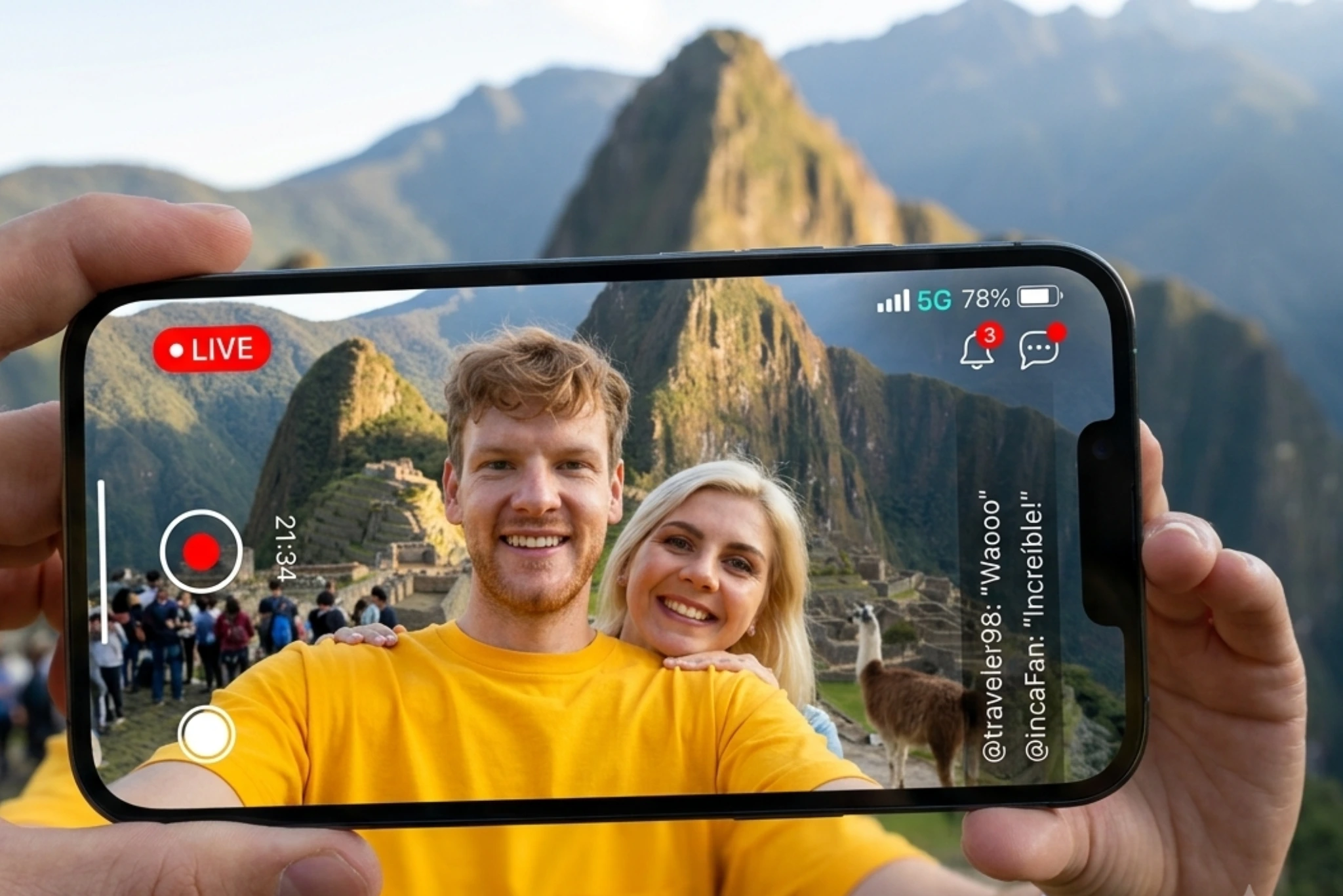
Maybe you want to send your family a photo the moment you arrive at Machu Picchu, post a video from the colorful streets of Cusco, use Google Maps to find a hidden café in Lima, or simply let your loved ones know you arrived safe.
For many travelers, having internet access is no longer just a convenience. It has become an important part of every trip. Staying connected makes it easier to navigate new places, communicate with your tour operator, book transportation, check restaurant reviews, translate signs or menus, and access important travel information whenever you need it.
The good news is that staying connected in Peru is easier than you think!
Whether you prefer using free WiFi, buying a local SIM card, activating an eSIM before you travel, or simply using your home provider through international roaming, there's an option that fits every traveler and every budget.
If some of these terms sound unfamiliar, don't worry. You don't need to be a technology expert to understand them.
This guide will explain you everything in a simple language, so you can choose the best option for your trip and spend less time worrying about your phone and more time enjoying Peru.
Why Staying Connected Matters While Traveling in Peru
Years ago, travelers relied on paper maps, guidebooks, and internet cafés. Today, most of us carry everything we need in our pockets.
Your smartphone has become much more than a camera. It's your map, translator, travel planner, boarding pass, wallet, and one of the easiest ways to stay connected with the people back home.
During your trip through Peru, you might use your phone to share photos and videos on Instagram, Facebook, or TikTok, send messages through WhatsApp, iMessage or Messenger, make video calls to family and friends, navigate with Google Maps, order an Uber in Lima or other cities, check your flight status, translate Spanish words and phrases, access your hotel or tour reservations, find nearby restaurants, pharmacies, or ATMs. Also to search for information about the places you're visiting, listen to music or podcasts while traveling between destinations or contact your guide or our team at Peruvian Sunrise if you need assistance.
Of course, one of the greatest joys of visiting Peru is disconnecting from everyday life and fully immersing yourself in its breathtaking landscapes, rich history, and vibrant culture. But when you do need internet access, it's reassuring to know you'll have reliable options available.
What Are Your Internet Options in Peru?
Fortunately, staying connected in Peru is easier than ever, and you have several options to choose from depending on your phone, travel style, and budget.
Some travelers are happy using free WiFi throughout their trip, while others prefer having mobile internet everywhere they go. You may decide to purchase a local SIM card, activate an eSIM before leaving home, or simply use your existing mobile plan through international roaming.
Each option has its own advantages, and the best choice depends on how you plan to travel.
Before we explore each one in detail, let's quickly explain a few common terms you'll come across throughout this guide.
Understanding the Basics before you choose
If you've been researching internet options for your trip, you've probably seen terms like mobile data, SIM card, eSIM, and international roaming.
If they sound a little confusing, don't worry. They’re much simpler than they might seem, and understanding the basics will make it much easier to decide which option is right for you.
What Is Mobile Data?
Mobile data is the internet connection your phone uses when you're away from WiFi.
Whenever you open Google Maps, send a WhatsApp message, check your email, or upload a photo while exploring Peru, you're most likely using mobile data.
The amount of data you use depends on your activities. Sending messages uses very little, while streaming videos, making video calls, or uploading large files consumes much more.
What Is a SIM Card?
A SIM (Subscriber Identity Module) card is the small chip inside your phone that connects it to a mobile network.
When you buy a local Peruvian SIM card, your phone connects to a Peruvian mobile operator, allowing you to use mobile data, local calls, and text messages during your trip.
If your phone is unlocked, replacing your home SIM with a local one usually takes just a few minutes.
What Is an eSIM?
An eSIM works exactly like a traditional SIM card, but it's built into your phone digitally.
Instead of inserting a physical card, you simply download a mobile plan by scanning a QR code or following your provider's instructions.
Many travelers prefer eSIMs because they can purchase and install them before leaving home, allowing them to connect shortly after arriving in Peru.
What Is International Roaming?
International roaming lets you continue using your home mobile phone plan while traveling abroad.
Your phone automatically connects to a local Peruvian network through agreements between your home carrier and local operators, so you don't need to change your SIM card.
While roaming is convenient, it isn't always the most affordable option. That's why many travelers compare it with local SIM cards and eSIMs before making a decision.
Which Option Is Best for You?
There's no single "best" way to stay connected in Peru. The right choice depends on your travel style, your phone, and how often you expect to use the internet.
If you only plan to check emails occasionally while relaxing at your hotel, free WiFi may be all you need.
If you'd like internet everywhere you go without changing your SIM card, an eSIM could be the perfect solution.
If you're planning a longer trip and want the best value, a local prepaid SIM card is often the most economical option.
And if your home mobile provider already offers affordable international coverage in Peru, roaming may be the easiest choice.
In the next sections, we'll explore each option in detail, explain the advantages and disadvantages of each one, and help you decide which is the best fit for your adventure in Peru.

Option 1: Using Free WiFi in Peru
If you don't expect to use the internet all day long, free WiFi may be enough for your trip.
Fortunately, WiFi is widely available throughout Peru, especially in the country's most popular tourist destinations.
You'll usually find free internet access at Hotels and hostels, Cafés and coffee shops , Restaurants, Airports, Shopping malls, even in some museums and visitor centers.
Most accommodations include WiFi as part of your stay, and many restaurants are happy to share their password with customers. Connecting is usually as simple as selecting the network and entering the password.
Is WiFi in Peru reliable?
In major cities like Lima, Cusco, Arequipa, and Trujillo, WiFi is generally reliable enough for everyday activities like browsing the web, checking emails, making WhatsApp calls, or uploading photos to social media.
Connection speeds can vary depending on the location and the number of people using the network at the same time, but most travelers have no trouble staying connected while indoors.
In smaller towns or more remote destinations, internet speeds may be slower than what you're used to at home.
Pros of using WiFi
- Free in many places.
- No need to buy a SIM card.
- Easy to connect.
- Perfect for checking emails, planning your itinerary, and sharing photos after a day of sightseeing.
Cons of using WiFi
- You only have internet while you're inside the building.
- Public networks can sometimes be slower during busy hours.
- You won't have access to Google Maps, Uber, or messaging apps once you leave unless you have mobile data.
For many travelers, WiFi alone works perfectly during a short vacation. Others prefer having internet available wherever they go, especially when visiting several cities or traveling independently.
Tips to stay Safe on Public WiFi
Public WiFi is convenient, but it's always a good idea to use it wisely.
When connected to public networks:
- Avoid accessing online banking whenever possible.
- Don't enter sensitive passwords unless necessary.
- Make sure websites begin with "https://" before entering personal information.
- Keep your phone and apps updated with the latest security updates.
- If you frequently work online or handle confidential information, consider using a trusted VPN service for an extra layer of security.
For everyday activities like checking messages, reading emails, or uploading vacation photos, public WiFi is generally perfectly fine.
Option 2: Buying a Local SIM Card in Peru
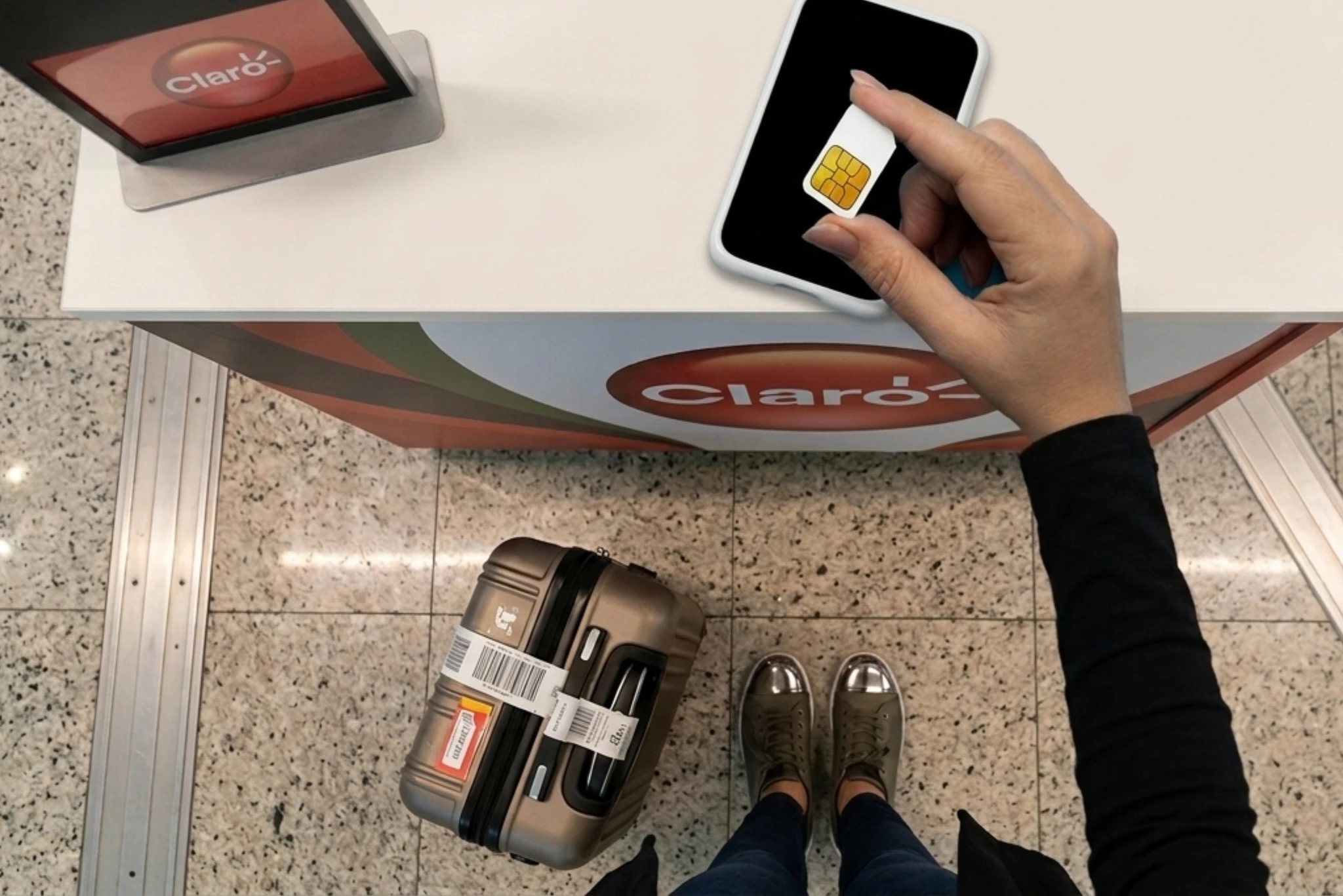
For many visitors, a local prepaid SIM card offers the best balance between convenience, flexibility, and affordability.
Instead of relying on WiFi or paying international roaming fees, you'll have mobile internet available almost anywhere there's signal.
That means you can use Google Maps while walking through Lima, message friends on WhatsApp from Cusco, or upload photos from your journey without searching for the nearest café with WiFi.
What Exactly Is a SIM Card?
A SIM card (Subscriber Identity Module) is the small chip inside your phone that allows it to connect to a mobile network.
When you insert a Peruvian SIM card, your phone temporarily uses a Peruvian mobile operator instead of your home provider.
As long as your phone is unlocked, switching SIM cards only takes a few minutes.
Will My Phone Work with a Peruvian SIM Card?
In most cases, yes.
However, there's one important requirement:
Your phone must be carrier unlocked.
Some phones purchased through mobile carriers are locked, meaning they only work with that company's SIM cards.
If your phone is unlocked, you can simply insert a Peruvian SIM card and start using a local network.
If you're not sure whether your phone is unlocked, contact your mobile provider before your trip. They can usually confirm this in just a few minutes.
What Do You Need to Buy a SIM Card?
Buying a prepaid SIM card in Peru is a straightforward process.
Generally, you'll need:
- Your original passport.
- An unlocked smartphone.
- Payment for your chosen prepaid plan.
In most official stores, a staff member will activate the SIM card for you and make sure it's working before you leave.
That means you usually won't have to change any complicated settings yourself.
Where Should You Buy a SIM Card?
You'll find SIM cards in many places throughout Peru, but not all purchasing locations offer the same experience.
For the best service, we recommend visiting:
- Official carrier stores.
- Authorized retailers.
- Shopping malls.
- Commercial districts in major cities.
Buying from an official location gives you peace of mind that your SIM card is genuine, properly activated, and supported by trained staff if you have any questions.
Although SIM cards are also available at Lima's airport, prices there are often higher than those you'll find in the city.
If your itinerary allows, waiting until you reach your hotel or a nearby shopping center is often the more economical choice.
How Much Does a SIM Card Cost in Peru?
Prices vary depending on the operator, promotions, and the amount of mobile data you choose.
As a general guide for 2026:
| Item | Approximate Price |
| Physical SIM card | PEN 5–20 |
| Prepaid mobile data plans | From around PEN 10 |
| Larger tourist-friendly plans | PEN 30–80+ |
Many prepaid packages include:
- Mobile data.
- Local calls.
- Text messages.
- Promotional access to selected apps, depending on the carrier.
Since offers change regularly, it's worth asking the store which prepaid package best matches the length of your trip.
Which Mobile Company Should You Choose?
Peru has four main mobile operators:
- Claro
- Movistar
- Entel
- Bitel
All four offer prepaid plans suitable for tourists.
In large cities like Lima, Cusco, Arequipa, and most popular destinations, coverage is generally very good regardless of which operator you choose.
Coverage differences become more noticeable in remote mountain regions and parts of the Amazon, where no company can guarantee signal everywhere.
If you'll mainly be visiting Peru's classic tourist route, any of these providers should work well.
Can I Keep My WhatsApp Number?
Yes, you can keep your whatsapp number. Your WhatsApp account is linked to your phone number, not to the physical SIM card inside your phone. When you insert your new Peruvian SIM card, WhatsApp will ask if you'd like to change your number.
Just tap Keep Current Number and your conversations, contacts, groups, and chat history will stay exactly the same. Doing that, your friends and family can continue messaging you just as they always have.
Can I Share My Internet with Someone Else?
Yes, most prepaid SIM plans allow you to use your phone as a “personal hotspot”, which means that you can share your mobile internet with another phone, tablet, or laptop.
This is a convenient option for couples or families traveling together, especially if only one person purchases a data plan. Just remember that sharing your connection also uses your mobile data more quickly.
Is a Local SIM Card the Right Choice for You?
A local SIM card is often an excellent option if:
- You'll be staying in Peru for more than a few days.
- You want reliable internet throughout your trip.
- Your phone doesn't support eSIM technology.
- You prefer an affordable solution with plenty of mobile data.
- You're comfortable swapping your SIM card during your vacation.
For many travelers, it's one of the easiest and most budget-friendly ways to stay connected while exploring Peru.
Option 3: Using an eSIM in Peru
If you've been researching travel tips recently, you've probably seen the term eSIM come up again and again.
Over the past few years, eSIMs have become one of the most popular ways for international travelers to stay connected abroad. They eliminate the need to swap physical SIM cards and allow you to set up your mobile data before your trip even begins.
If your phone supports this technology, an eSIM may be the easiest way to get online in Peru.
What Is an eSIM?
An eSIM, short for embedded SIM, is a digital version of a traditional SIM card.
Instead of inserting a small plastic chip into your phone, you simply download a mobile plan electronically.
Most eSIM providers send you a QR code by email after you purchase a plan. Once you scan it and complete the installation, your phone is ready to connect to a local network when you arrive in Peru.
There are no tiny cards to insert, remove, or keep safe during your trip.
Why Do So Many Travelers Choose an eSIM?
One of the biggest advantages is convenience.
Everything can be done before you leave home.
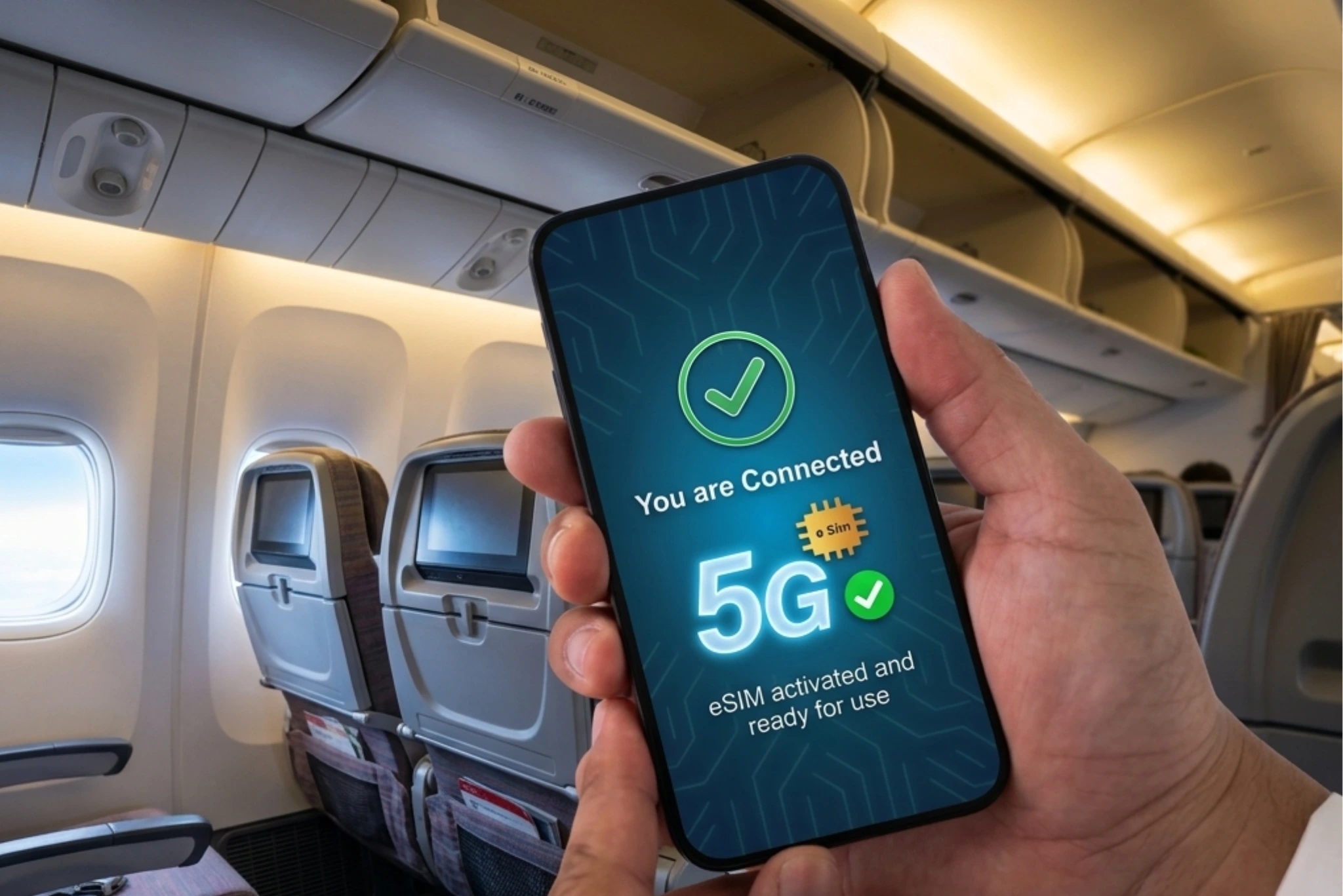
Imagine landing at Jorge Chávez International Airport, turning off airplane mode, and being connected within a few moments without searching for a phone store or changing SIM cards.
For many travelers, that's one less thing to worry about after a long flight.
Other advantages include:
- No physical SIM card to replace.
- Keep your home SIM card inside your phone.
- Buy your plan online before traveling.
- Activate your internet quickly after arriving.
- Great for visiting multiple countries if you purchase a regional plan.
- Easy to switch between mobile plans if needed.
Can My Phone Use an eSIM?
This is probably the most important question.
Not every smartphone is compatible with eSIM technology.
In general, most newer premium smartphones support it, but compatibility depends on both the device model and, in some cases, the country where it was purchased.
Apple iPhones
Most iPhones beginning with the iPhone XS, iPhone XS Max, and iPhone XR support eSIM technology.
This includes the following models: iPhone 11 to 16
Some devices sold in specific countries may have different configurations, so it's always worth checking your exact model before purchasing an eSIM.
Android Phones
Many Android smartphones also support eSIM, including some selected models from:
- Samsung Galaxy
- Motorola
- Xiaomi
- Honor
- Oppo
- Sony
Compatibility varies between models, so don't assume every Android phone includes this feature. This is generally a feature found in mid-range or high-end cell pones
How Can I Check If My Phone Supports eSIM?
Fortunately, it's easy and you can do it in 1min. Here are a few ways to check:
On an iPhone
Go to Settings, then to Cellular (or Mobile Service)
If you see options such as Add eSIM or Add Cellular Plan, your device likely supports eSIM.
On Android
Open Settings, go to Network & Internet or Connections
Look for options mentioning: SIM Manager, Add eSIM, Download SIM, Mobile Network
The names may vary depending on your phone's manufacturer. You can also visit the manufacturer's website and search for your exact model number.
Can I Buy an eSIM Before Traveling to Peru?
Yes, and that's actually one of its biggest advantages. Many travelers purchase their eSIM several days before departure.
After completing your purchase, you'll usually receive a QR code, installation instructions and activation details. Some plans activate immediately after installation, while others only begin once your phone connects to a supported network in Peru. Be sure to read the activation instructions carefully before installing your plan.
Which eSIM Companies Are Popular?
Several international providers offer eSIM plans that work in Peru.
Some of the best-known include:
- Airalo
- Holafly
- Nomad
- Saily
- Maya Mobile
Each company offers different plans, prices, validity periods, and data allowances. The peruvian companies like Claro, Movistar, Entel, Bitel, ask you to go to their stories and do it in person.
Before purchasing, compare:
- Total data included
- Number of days
- Whether hotspot sharing is allowed
- Countries covered
- Customer support
- Price
Sometimes paying a few dollars more provides much better value.
How Much Does an eSIM Cost?
Prices vary depending on the provider and the amount of data you choose. As a general idea for 2026:
| Data Plan | Approximate Price |
| 1–3 GB | US$5–10 |
| 5 GB | US$10–18 |
| 10 GB | US$18–30 |
| 20 GB | US$25–40 |
| Unlimited plans | Varies by provider |
These prices may change throughout the year, so always check the provider's website before purchasing.
Mobile Coverage in Peru
Peru has decent mobile coverage across most cities and popular tourist destinations.
In places like Lima, Cusco, Arequipa, Paracas, Ica, Puno, and much of the Sacred Valley, you'll generally have little trouble using mobile data.
However, Peru is also home to towering mountains, remote valleys, and vast stretches of Amazon rainforest. Because of the country's geography, there are areas where mobile coverage becomes limited or disappears altogether.
This is completely normal, regardless of which mobile operator you choose.
Will I Have Internet at Machu Picchu?
Yes, but with some limitations.
You'll usually have mobile coverage in Aguas Calientes (Machu Picchu Pueblo), where many hotels, restaurants, and cafés also provide WiFi.
At the archaeological site itself, signal strength may vary depending on your exact location and the number of visitors connected to the network.
Many travelers are still able to send messages or upload a photo, although speeds aren't always consistent.
What About the Sacred Valley?
Most towns throughout the Sacred Valley have mobile coverage.
As you travel between villages, especially through mountainous sections of the road, your signal may weaken temporarily.
This is perfectly normal and usually returns once you reach the next town.
Will I Have Internet at Rainbow Mountain?
Mobile coverage around Rainbow Mountain is very limited.
Some visitors may briefly receive a signal before or after the hike, but you shouldn't expect reliable internet during your visit.
If you're planning to meet someone afterward or use navigation, it's a good idea to download any necessary information before leaving your hotel.
What About Lake Titicaca?
In Puno and the surrounding urban areas, mobile coverage is generally good.
If you visit islands such as Uros or Taquile, service may become weaker depending on your location and weather conditions.
And the Peruvian Amazon?
The Amazon offers one of the most incredible experiences in Peru, but it's also one of the places where internet access is least reliable.
Cities like Puerto Maldonado and Iquitos usually have mobile coverage.
However, once you travel deeper into the rainforest, it's common to lose signal completely.
Many eco-lodges intentionally encourage visitors to disconnect and fully enjoy nature during their stay.
Tips to Save Mobile Data
Even if you purchase a generous data plan, it's always nice to make it last longer.
Here are a few simple ways to reduce data usage:
- Connect to WiFi whenever it's available.
- Download maps before leaving your hotel.
- Turn off automatic app updates while using mobile data.
- Upload large videos when connected to WiFi.
- Download music, podcasts, or movies before long journeys.
- Close apps you're not actively using.
- Disable background data for apps that don't need constant internet access.
These small changes can make a noticeable difference, especially on longer trips.
What's our recommendation?
If your phone supports eSIM, it's often the most convenient option because you can set everything up before leaving home and connect shortly after arriving in Peru.
If your phone doesn't support eSIM, and you really need to be always connected, a local pre-paid SIM card bought at an official mobile carrier is usually the most economical and practical choice. If not, turn off data and turn on the WiFi.
Whichever option you choose, you'll have everything you need to stay connected while discovering the incredible landscapes, culture, and history that make Peru such a memorable destination.
The best option depends on your phone, your travel style, and how you plan to use the internet during your adventure. Fortunately, there are solutions for every type of traveler, from those who simply want to message family back home to those who need reliable mobile data throughout their journey.
At Peruvian Sunrise, we want you to enjoy every moment of your trip with confidence. We hope this guide has answered your questions and helped you choose the option that best suits your needs.
Now all that's left to do is pack your bags, charge your phone, and get ready to explore one of the world's most extraordinary destinations.
We can't wait to welcome you to Peru!