
Hello dear reader! If you are planning a trip to Peru, you have probably heard of Pisco. Maybe you know it as the main ingredient in a Pisco Sour, but there is much more to this famous Peruvian spirit than one cocktail.
Pisco is a grape-based spirit with centuries of history, a strong connection to Peru’s coastal valleys, and a production process that makes it different from many other spirits you may have tried. So, what is Pisco, how is Pisco made in Peru, and what should you look for when you want to taste the real thing? Let’s take a closer look.
What is Pisco?
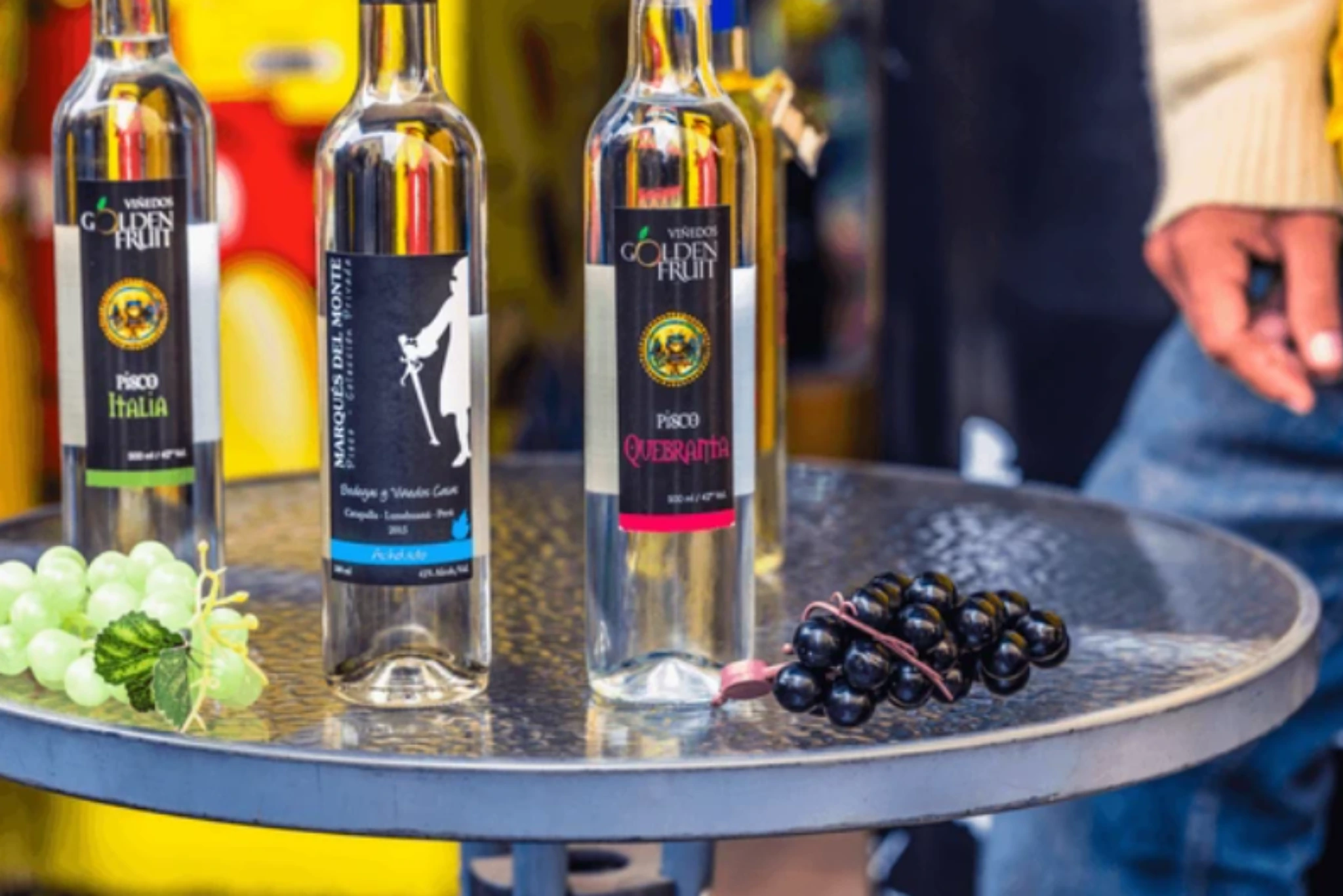
Pisco is a Peruvian grape spirit made by distilling freshly fermented grape must. Unlike spirits that can contain added water, sugar, or other ingredients, authentic Pisco is made exclusively from permitted Pisco grape varieties and follows specific traditional production rules.
Pisco was recognized as Peru’s first Denomination of Origin in 1990. This means that the name Pisco is protected and refers to a spirit produced in specific areas of Peru using authorized grapes and traditional methods.
So, if you search for “Pisco Peru alcohol” or “Pisco in Peru,” this is one of the most important things to know: Pisco is not simply any grape brandy made in South America, Peruvian Pisco has its own identity, origin, and production standards.
Is Pisco from Chile or Peru?
This is one of the most searched questions about Pisco, and it can lead you into a long and complicated historical discussion.
Peru recognizes Pisco as a Peruvian Denomination of Origin. Pisco is not only the name of the spirit, it is also the name of a city and province called "Pisco" in the Ica region, on Peru’s southern coast.
Under Peruvian regulations, Pisco can only be produced in authorized areas along the Peruvian coast, including parts of Lima, Ica, Arequipa, Moquegua, and the valleys of Locumba, Sama, and Caplina in Tacna.
For travelers, there is a much easier way to approach the subject: when you visit Peru, look for a bottle that carries the official “Denominación de Origen Pisco” designation. That is your starting point for tasting Pisco produced according to Peru’s protected standards.
How is Pisco made in Peru?
The process begins with grapes grown specifically for Pisco production. The grapes are pressed and their fresh must is fermented. That fermented must is then distilled using traditional methods to obtain Pisco.
There is no need to add sugar or water to make authentic Peruvian Pisco. The character of the final spirit comes from the grapes, the production process, and the place where they are grown. Peruvian regulations also do not allow double distillation for Pisco.
Another interesting detail is that Pisco is not defined by aging in wooden barrels like many other spirits. Before being bottled and sold, it rests in containers that do not alter its characteristics. This helps preserve the clear appearance and original character of the spirit.
And yes, Pisco is a strong drink. Depending on the type and bottle, its alcohol content can make it quite different from wine or beer, so it is best enjoyed slowly.
The Pisco grapes
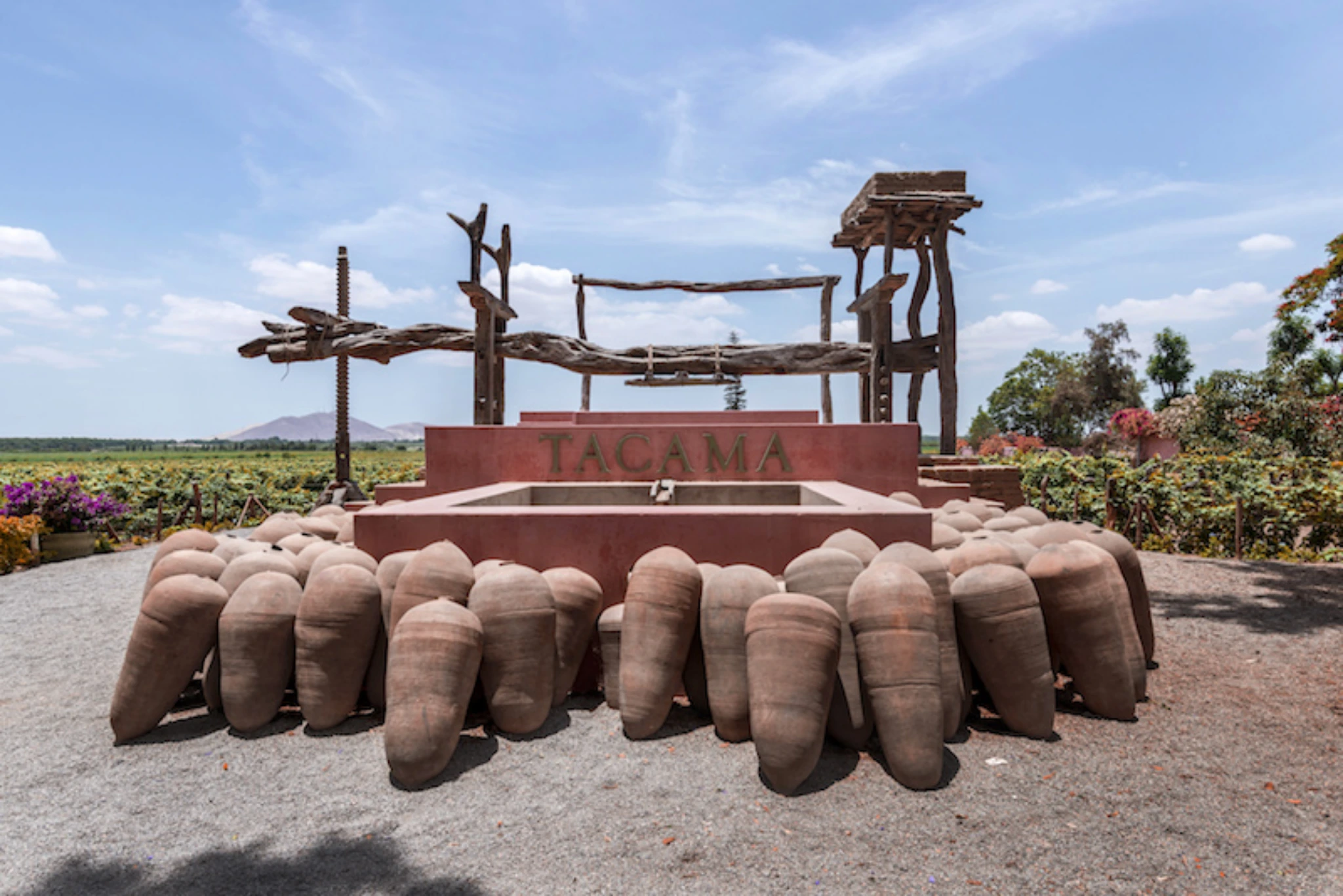
One of the reasons Pisco is so interesting is the variety of grapes that can be used to make it. Peru recognizes eight Pisco grape varieties:
- Quebranta
- Negra Criolla
- Mollar
- Uvina
- Italia
- Torontel
- Albilla
- Moscatel
These grapes are generally grouped into aromatic and non-aromatic varieties, and each one can give the spirit a different personality. Some are more floral and fragrant, while others produce a more subtle profile.
That means tasting one Pisco does not necessarily tell you what all Pisco tastes like. Trying different varieties is part of the fun.
What are the main Pisco types?
When you look at a Peruvian Pisco menu or bottle, you will usually come across three main Pisco types: Puro, Mosto Verde, and Acholado.
Pisco Puro
Puro is made from a single variety of Pisco grape. This makes it a great option if you want to appreciate the particular characteristics of one grape.
Quebranta is one of the best-known varieties, especially in Peru, and you will find it used in many traditional Pisco preparations.
Pisco Mosto Verde
Mosto Verde is produced using must that has not completed the fermentation process. It has its own production method and is often appreciated for its distinctive, softer character.
If you are interested in discovering Pisco beyond the most familiar cocktails, asking for a Mosto Verde can be a great way to start.
Pisco Acholado
Acholado is a blend of different Pisco grape varieties. Instead of highlighting one grape, it combines them to create a different balance of aromas and flavors.
If you enjoy discovering how different ingredients work together, an Acholado tasting can be especially interesting.
Pisco and Ica: A must for travelers
When people think about Pisco in Peru, Ica is one of the first places that comes to mind. Located south of Lima, the region is closely associated with vineyards, wineries, and Pisco production.
A visit to Ica gives you the opportunity to see where Pisco is produced rather than simply ordering it at a bar. You can visit a Pisco-producing winery, learn about the process, walk through vineyards, and, of course, taste different varieties.
The experience is especially appealing when combined with other attractions in the region, such as the Huacachina oasis and the desert landscapes surrounding Ica.
And if you happen to see Pisco Portón Peru during your travels, you may recognize it as one of the Pisco brands associated with the Ica region.
How do you drink Pisco in Peru?
You do not have to turn Pisco into a cocktail to enjoy it.
In Peru, you can taste a little Pisco on its own, particularly when visiting a winery or taking part in a tasting. Trying it neat allows you to notice the aromas and characteristics of the grape used.
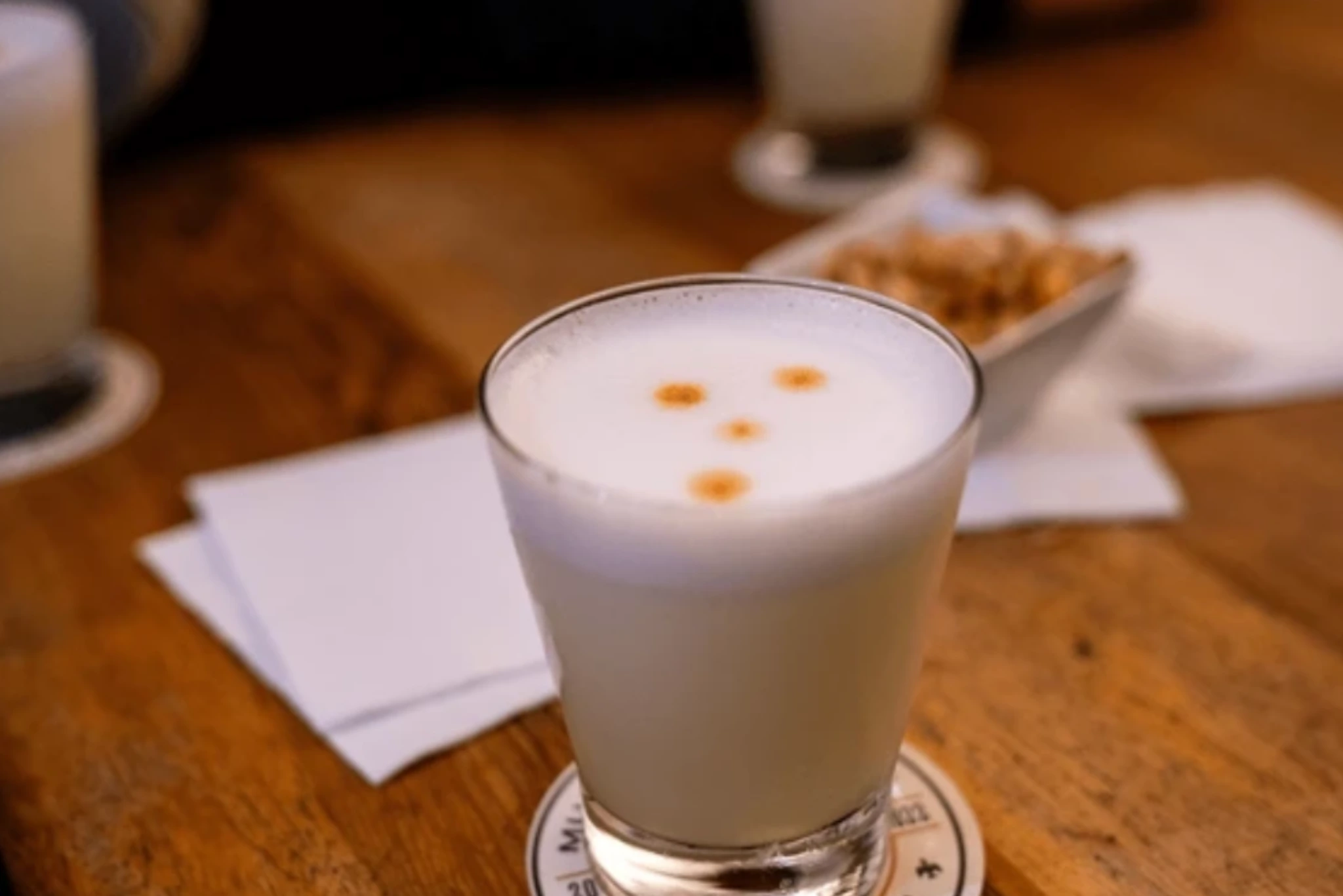
Of course, Pisco is also an important part of Peruvian cocktail culture. The Pisco Sour is the best-known example, but it is far from the only drink made with Pisco. You can also try Chilcano, Pisco Punch, Capitan and Coctel de Algarrobina.
If you want to learn about the history, ingredients, and origin of Peru’s famous cocktail, you can read our guide to the Pisco Sour.
Where can you try Pisco in Peru?
You will find Pisco in restaurants, cocktail bars, hotels, and specialized tasting rooms throughout the country. Lima is an easy place to start, especially if you want to combine a Pisco tasting with Peru’s famous food scene.
You can also look for Pisco tastings in Ica and other Pisco-producing regions. In restaurants, do not be surprised to see several bottles or varieties on the menu. If you are not sure what to order, ask your bartender or server to recommend one based on what you usually enjoy.
For a more immersive experience, visiting a Pisco-producing winery is even better. You get to connect the drink in your glass with the vineyards, landscape, and people behind it.
How much does Pisco cost?
The Pisco price can vary considerably depending on the grape variety, type, producer, and where you buy it. A bottle from a supermarket or local shop will usually cost less than a bottle purchased at a specialized store, restaurant, or tourist destination.
If you are looking for the best Pisco to take home, do not choose only by price. Check the label and look for the official Denomination of Origin designation. The label should also provide information about the Pisco type, grape variety, production valley, and other required details.
When is Pisco Day in Peru?
Pisco even has its own national celebration. National Pisco Day is celebrated on the fourth Sunday of July, a tradition established in 1999.
If your trip happens to coincide with Pisco Day, you may find tastings, celebrations, and activities dedicated to Peru’s iconic spirit. It is a particularly fun time to discover Pisco and learn more about the traditions behind it.

Taste Pisco in Peru!
Pisco is much more than the spirit behind a famous cocktail. It is part of Peru’s history, agriculture, gastronomy, and coastal culture. From the vineyards of Ica to the cocktail bars of Lima, tasting Pisco gives you another way to experience the country.
So, when you visit Peru, do not just order a Pisco Sour and call it a day. Try a Pisco tasting, compare different types, ask about the grapes, and discover why this spirit has such an important place in Peruvian culture.
Ready to taste Peru for yourself? Travel with Peruvian Sunrise and let us help you discover the country through its landscapes, history, gastronomy, and local traditions. From Lima and Ica to Machu Picchu and beyond, we can help you create a trip that goes far beyond the usual highlights.
Your Peru adventure starts here.