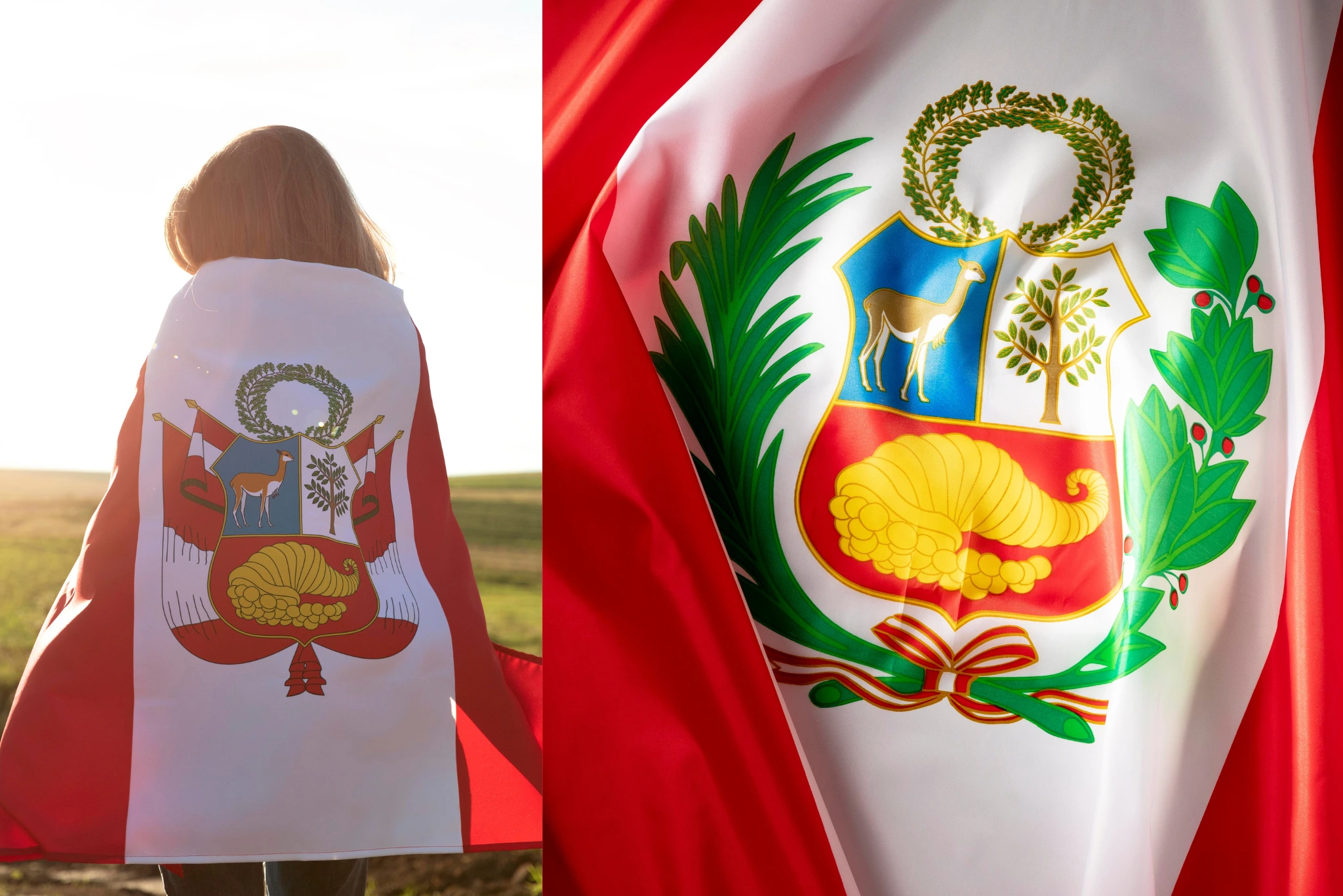

Hello, Dear reader! If you're visiting Peru in July, you'll quickly notice that the country comes alive with Fiestas Patrias (Peru's Independence Day celebrations). Streets, homes, public buildings are decorated with red-and-white flags, creating a festive atmosphere that celebrates Peru's history and national pride.
Alongside the flag, you'll also see another important symbol: the Peruvian Coat of Arms.
At first glance, it may look like a beautiful emblem, but did you know that every part of it tells a story? The vicuña, the cinchona tree, and the cornucopia were carefully chosen to represent Peru's incredible natural wealth.
Whether you're planning your first trip to Peru or you're simply curious about its culture, this guide will help you discover the meaning behind the country's Coat of Arms, and why it represents so much more than you might think.
What Is the Peruvian Coat of Arms?
The Peruvian Coat of Arms is one of Peru's three official national symbols, alongside the national flag and the national anthem.
It was first introduced shortly after Peru declared its independence in 1821 and has represented the country ever since. Today, you'll find it on passports, official documents, government buildings, coins, schools, and many national monuments.
But the Coat of Arms isn't just a beautiful design. It tells the story of Peru's extraordinary natural diversity and the resources that have shaped the country's identity for generations.
What Do the Symbols on the Peruvian Coat of Arms Mean?
The shield is divided into three sections, and each one represents one of Peru's greatest natural treasures.
The Vicuña: Peru's Animal Wealth
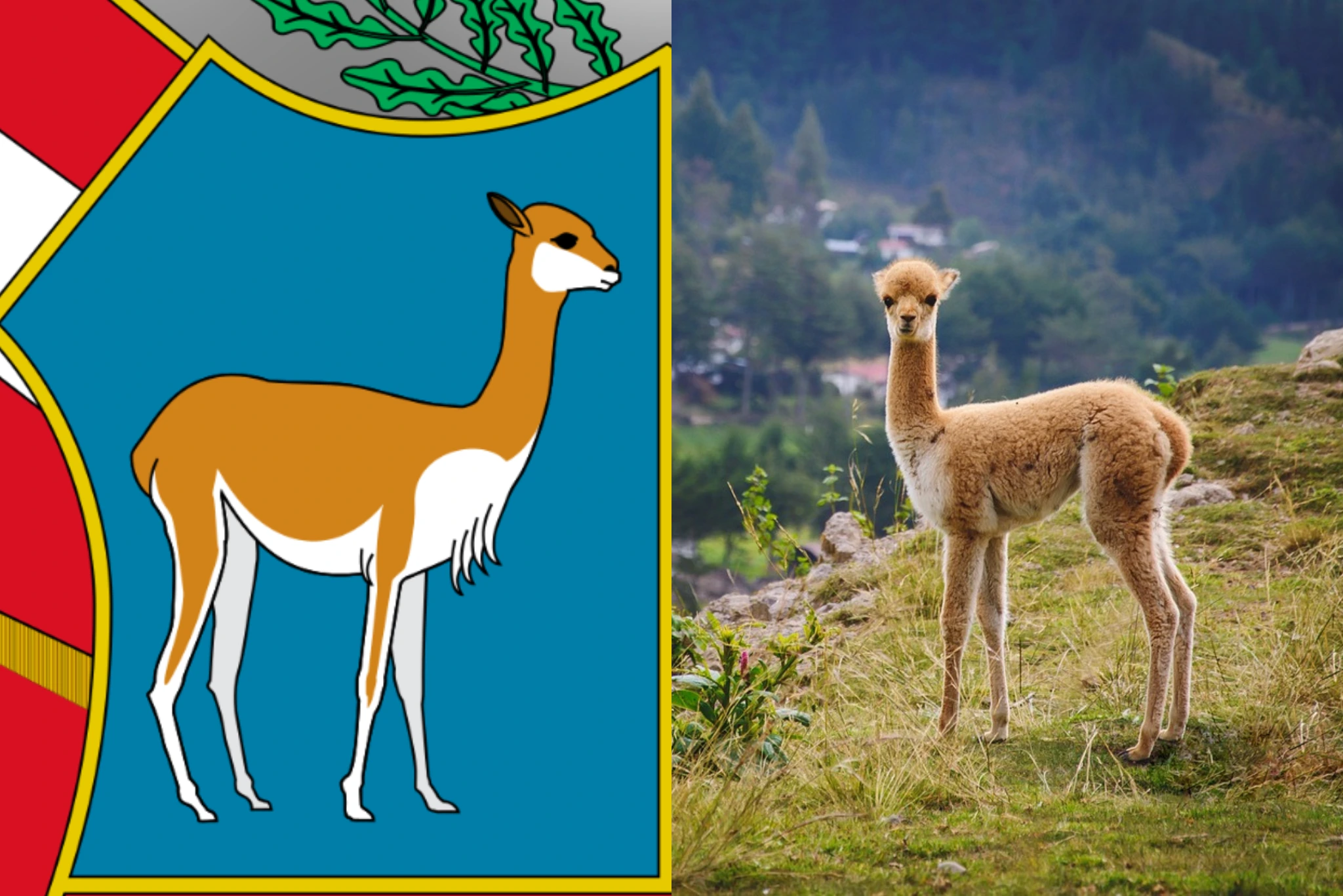
The upper left section features the vicuña, a graceful wild camelid that lives in the Andes.
Known for producing one of the world's finest natural fibers, the vicuña symbolizes Peru's animal wealth and reflects the country's incredible biodiversity.
If you travel through the Andean highlands, especially in regions like Cusco, Puno, Arequipa, or Ayacucho, you may even have the chance to see these beautiful animals roaming freely in their natural habitat.
It's one of those unforgettable moments that make traveling through Peru so special.
Click to learn the difference between a vicuña and a llama
The Cinchona Tree: Peru's Plant Wealth
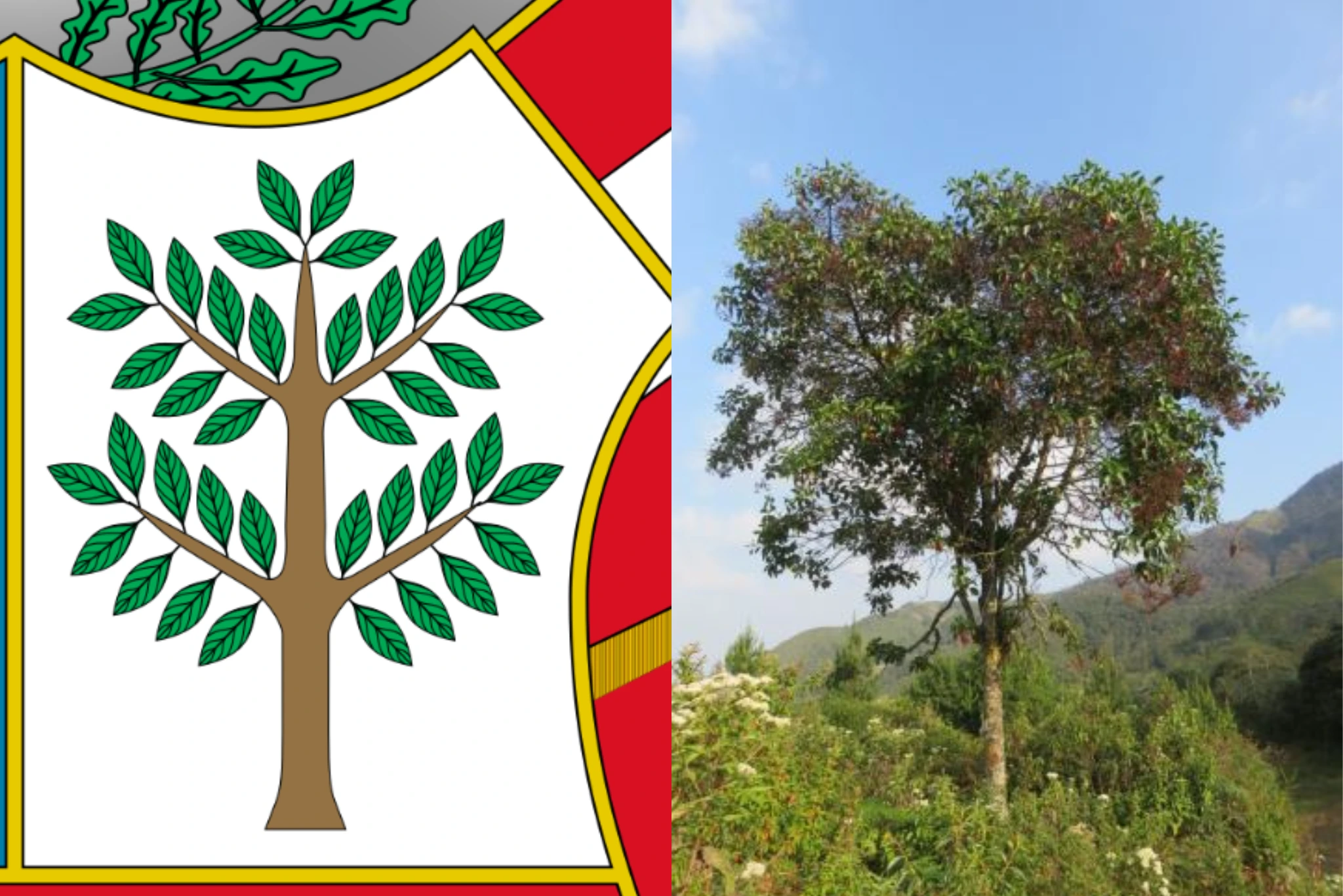
The upper right section shows the cinchona tree, a species native to the Andean forests.
Its bark contains quinine, a natural compound that was used for centuries to treat malaria before modern medicine became available.
Because of its historical importance, the cinchona tree was chosen to represent Peru's plant wealth.
Today, it also reminds us of Peru's incredible ecosystems, from the misty cloud forests of the Andes to the lush Amazon rainforest, one of the most biodiverse places on Earth.
The Cornucopia: Peru's Mineral Wealth
The lower part of the shield features a cornucopia, also known as the Horn of Plenty, overflowing with gold coins. This ancient symbol represents prosperity, abundance, and Peru's mineral wealth.
For centuries, Peru has been known for its rich deposits of gold, silver, copper, and many other valuable minerals that have played an important role in the country's history and economy since the times of the Incas. Together with the vicuña and the cinchona tree, the cornucopia completes the story of Peru's extraordinary natural riches.
Why These Three Symbols?
You might be wondering why these particular symbols were chosen.
The answer is simple: each one represents one of Peru's greatest natural treasures.
The vicuña represents Peru's animal wealth, the cinchona tree represents the country's plant wealth and the cornucopia symbolizes Peru's mineral wealth.
Together, they reflect the diversity of a country where majestic mountains, ancient forests, deserts, coastlines, and the Amazon rainforest all come together in one unforgettable destination.
A Symbol That Inspires You to Explore Peru
Learning about the Peruvian Coat of Arms isn't just about understanding a national symbol, it's about discovering the country behind it.
Imagine spotting wild vicuñas in the Andes, hiking through breathtaking mountain landscapes, exploring Peru's lush forests, or visiting historic cities where centuries of history come to life.
Every symbol on the Coat of Arms represents something you can actually experience while traveling through Peru.
That's what makes it so special. More than simply an emblem printed on official documents, it's a reminder of the country's natural beauty, cultural heritage, and incredible diversity.
So, the next time you see the Peruvian Coat of Arms, you'll know that it tells the story of a nation waiting to be explored
Frequently Asked Questions
What are the three symbols on the Peruvian Coat of Arms?
The Peruvian Coat of Arms features three symbols: the vicuña, the cinchona tree, and the cornucopia (Horn of Plenty). Together, they represent Peru's animal, plant, and mineral wealth.
When was the Peruvian Coat of Arms created?
The original Coat of Arms was introduced in 1821, shortly after Peru declared its independence. Its design has been slightly updated over the years while preserving its three iconic symbols.
Why is the vicuña important to Peru?
The vicuña is one of Peru's most iconic native animals. It represents the country's rich wildlife and is famous for producing one of the finest natural fibers in the world.
Can you still find cinchona trees in Peru?
Yes! Several species of cinchona still grow in Peru's Andean cloud forests. Although they are less common today, they remain an important part of the country's natural and scientific heritage.
Where can I see the Peruvian Coat of Arms during my trip?
You'll see it in many places throughout Peru, including airports, government buildings, museums, schools, historical monuments, passports, coins, and official documents. During Fiestas Patrias, it's especially visible as part of national celebrations.
Why should travelers learn about the Peruvian Coat of Arms?
Understanding the Coat of Arms helps you connect with Peru beyond its famous attractions. It tells the story of the country's landscapes, wildlife, history, and natural treasures, making your trip even more meaningful.
Discover the Peru Behind the Symbols
The Peruvian Coat of Arms is more than a national emblem, it's an invitation to discover everything that makes Peru unique. In Peru, every journey offers a deeper understanding of the country's incredible heritage.
At Peruvian Sunrise, we're passionate about helping travelers experience the real Peru through authentic, unforgettable adventures.
Ready to explore Peru? We'd love to help you plan your next adventure!