
Hello, dear reader. If you’re planning a trip to Peru between February and March, there’s something you should know: you’re arriving during one of the happiest, loudest, and most colorful moments of the year. Carnival season in Peru is not just a festival — it’s a living tradition that changes completely from one region to another.
Across the country, communities celebrate with music, dances, water games, traditional food, and rituals that go back hundreds of years. Each Carnival reflects the identity of its region, making it a beautiful way to experience Peru beyond the typical tourist routes.
A tradition that feels different in every region
Carnivals in Peru usually take place before Lent, but there’s no single way to celebrate them. Instead, each city and region adds its own history, flavors, and rhythms.
In the Andes, Carnivals are deeply connected to ancestral beliefs, community life, and gratitude to nature. On the coast, celebrations tend to be more playful and spontaneous. Meanwhile, in the Amazon, Carnival blends with tropical energy, riverside gatherings, and strong ties to the natural environment.
This diversity is exactly what makes Carnival in Peru so special.
Ayacucho Carnival
Ayacucho is often considered the heart of Peruvian Carnival traditions. Here, the celebration feels deeply cultural and emotional, not just festive. Local communities gather to sing traditional comparsas (songs full of humor and satire), dance through the streets, and celebrate with homemade dishes prepared only for this time of year.
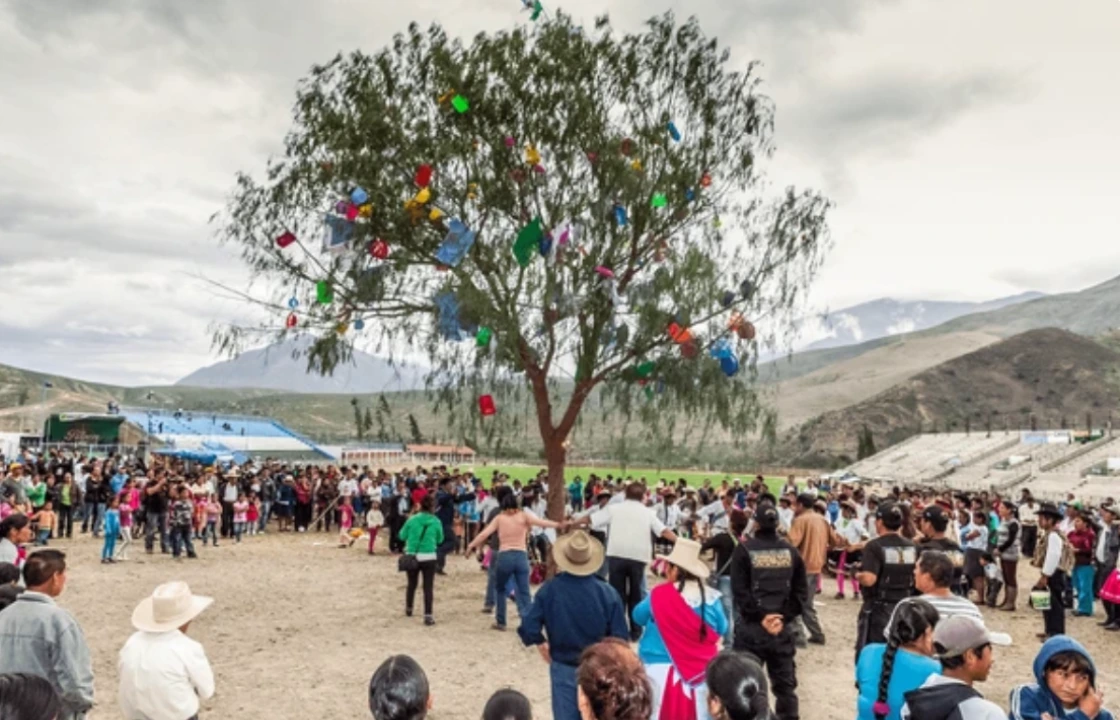
One of the most beautiful moments is the Yunza, a decorated tree full of gifts. People dance around it and take turns cutting it down, symbolizing abundance and community. The person who makes the final cut takes on the responsibility of organizing the next year’s celebration.
Ayacucho’s Carnival feels authentic, emotional, and deeply local, perfect for travelers seeking a cultural immersion experience in Peru.
Cajamarca Carnival
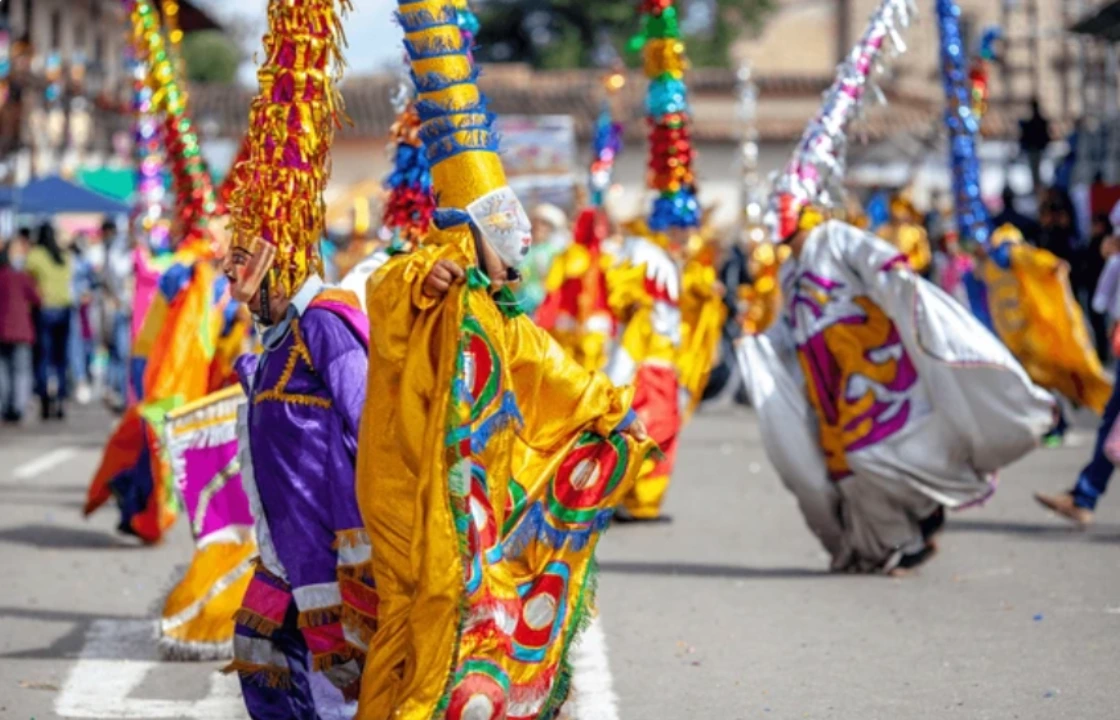
If there’s one place that takes Carnival seriously, it’s Cajamarca. This city is often called the Carnival capital of Peru, and honestly, it deserves the title. Once you are there, it’s easy t osee why.
Expect colorful parades, costumes, live traditional music, beauty queens, and entire neighborhoods celebrating together. Water, paint, and foam are part of the fun, so don’t come wearing your favorite clothes
Cajamarca’s Carnival is loud, colorful, and full of contagious energy. If you’re looking for energy, fun, and a true festive atmosphere, Cajamarca is the place to be.
Cusco Carnival
In Cusco, Carnival is celebrated with a strong sense of community and tradition. Families and friends gather to share puchero (also known as timpu), a hearty dish prepared especially for this season.
You’ll find local dances, friendly water fights, and small neighborhood celebrations rather than massive parades. It’s a warm, welcoming experience that lets travelers feel part of everyday life in the Andes.
Arequipa Carnival
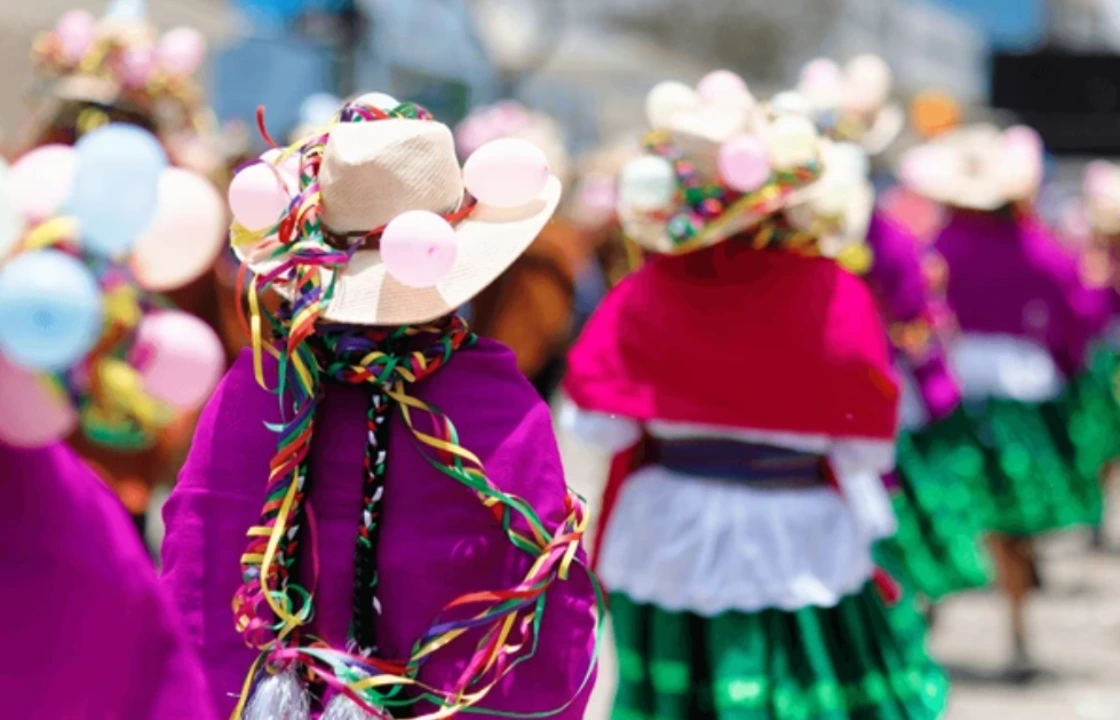
Carnival in Arequipa is celebrated with a mix of tradition, humor, and strong local identity. One of the most characteristic elements is the singing of coplas arequipeñas, playful and often satirical songs performed in groups. Locals also enjoy water games, neighborhood gatherings, and traditional music.
Carnival in Puno
Puno’s Carnival season is closely tied to religious and folkloric traditions. Many celebrations connect with the famous Virgen de la Candelaria festivities, which means you’ll see spectacular dances, embroidered costumes, and brass bands everywhere.
This is one of the most visually impressive Carnivals in Peru, perfect for photography lovers.
Amazon Carnivals
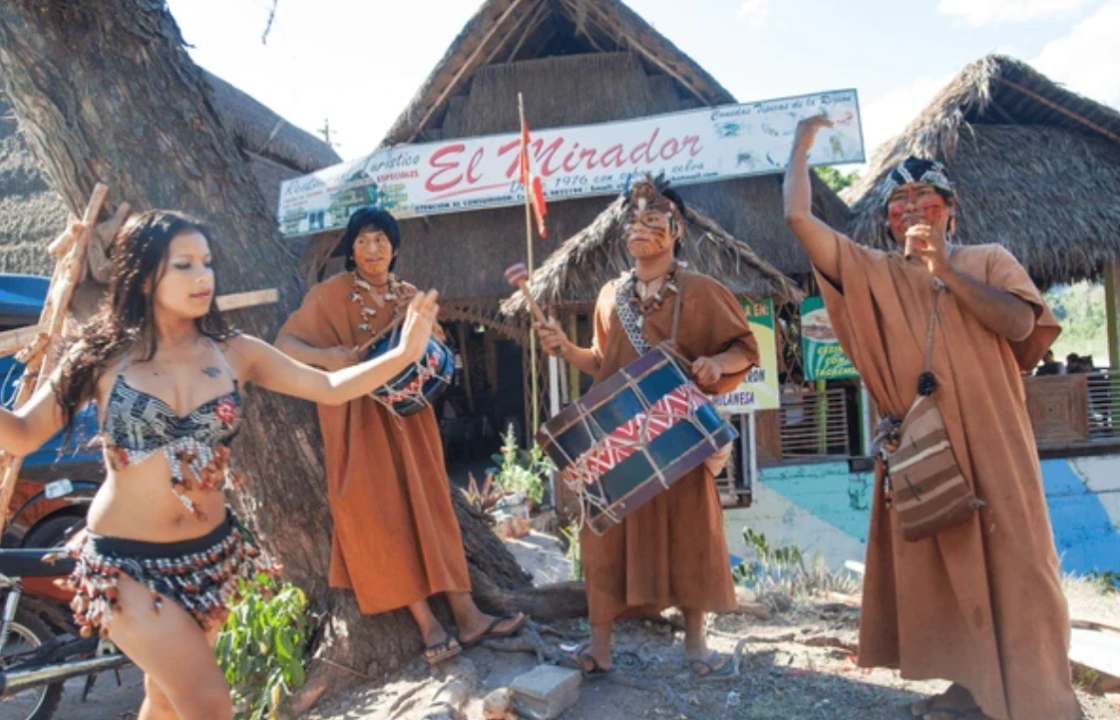
In regions like San Martín and Loreto, Carnival takes on a more relaxed and tropical vibe. Celebrations usually happen outdoors, with music, dancing, and communal gatherings near rivers and open spaces.
The Yunza is also a key part of Carnival here, but with an Amazonian twist — surrounded by lush landscapes and warm weather. These celebrations are less crowded and less touristy, offering a more intimate cultural experience.
What do people eat during Carnival in Peru?
Carnival season is also about sharing food. Some of the most traditional dishes include:
- Puchero / Timpu (a giant feast in one plate)
- Sweets made with Chancaca
- Humitas and tamales
- Traditional chicha drinks
Meals are generous, festive, and meant to be enjoyed together, just like Carnival itself. As you can see, carnival in Peru is not a diet-friendly season.
Why experience Carnival in Peru?
Because Carnival shows you Peru as it truly is: real life, real traditions, real families celebrating something that’s been passed down for generations. It’s not a performance for visitors, but a celebration that invites you to join, participate, and feel at home.
If you are a person who enjoys socializing, meeting new people, new cultures, dancing and eating… you will love carnivals in Peru.
Ready to experience Carnival in Peru?
At Peruvian Sunrise, we design trips that match the real Peru, beyond the highlights. If you want to plan your journey around Carnival season, we’ll help you find the best destinations, the best timing, and the most authentic experiences.
Discover Peru while it’s celebrating. Let’s plan your trip.