

The Story Behind Air Force Day
Hello, dear reader! If you're planning a trip to Peru around late July, you might notice something interesting on the calendar: a national holiday on July 23, right before the big Independence Day celebrations on the 28th. It's called the Día de la Fuerza Aérea del Perú (or Peruvian Air Force Day), and it's one of the newest additions to the country's growing list of July holidays.
At Peruvian Sunrise, we love sharing these little cultural gems with travelers, because understanding why a country celebrates what it celebrates always makes a trip to Lima, Cusco, or Machu Picchu feel a lot more personal.
So let's talk about this holiday, the story behind it, and why Peru has such a deep connection to the skies. Continue reading!
A Holiday That's Only a Few Years Old
Unlike many Peruvian holidays that go back centuries, July 23 is a fairly recent addition. It became an official national holiday in 2023, through Law No. 31822, passed unanimously by Peru's Congress. That makes it the newest of the 16 national holidays currently recognized in the country, and the last one added to the July calendar before Fiestas Patrias takes over the last week of the month.
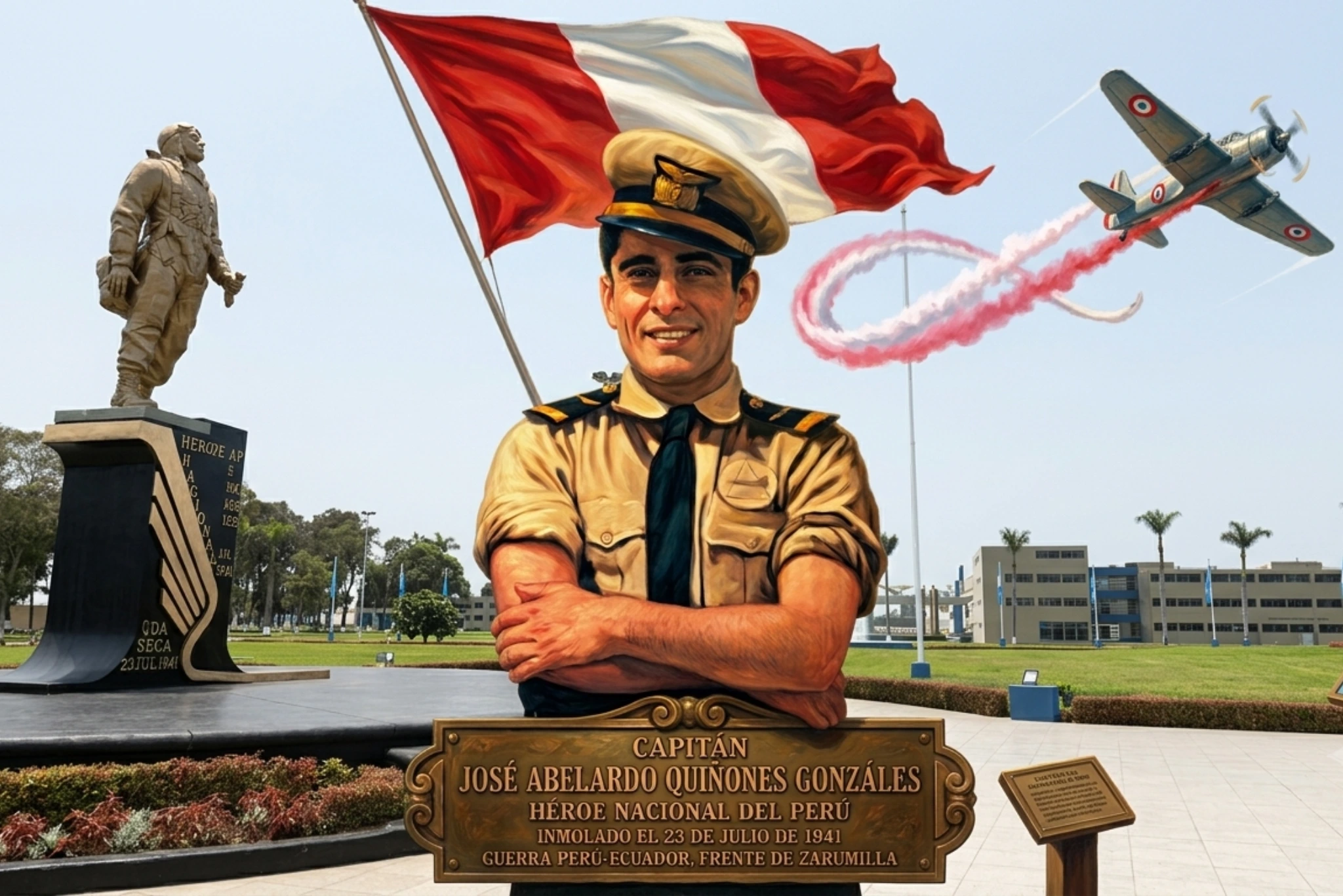
The date honors Captain José Abelardo Quiñones Gonzales, a young pilot who became a national hero during the brief 1941 conflict between Peru and Ecuador. On July 23 of that year, while flying a mission over Quebrada Seca (Tumbes), his plane was hit by enemy anti-aircraft fire. Instead of using his parachute to save himself, he chose to steer his damaged aircraft directly into the enemy's artillery position, sacrificing his life to protect his fellow soldiers on the ground. He was 27 years old.
That single act of courage is why Peruvians now get a paid day off work every July 23, and why the Peruvian Air Force base in Lima carries his name: Base Aérea Las Palmas Capitán FAP José Abelardo Quiñones Gonzales.
If you happen to be traveling through Peru on this date, don't be surprised if offices, banks, and some businesses are closed for the day. It's a good excuse to slow down, grab a coffee in a plaza, and watch the country pause to remember one of its own.
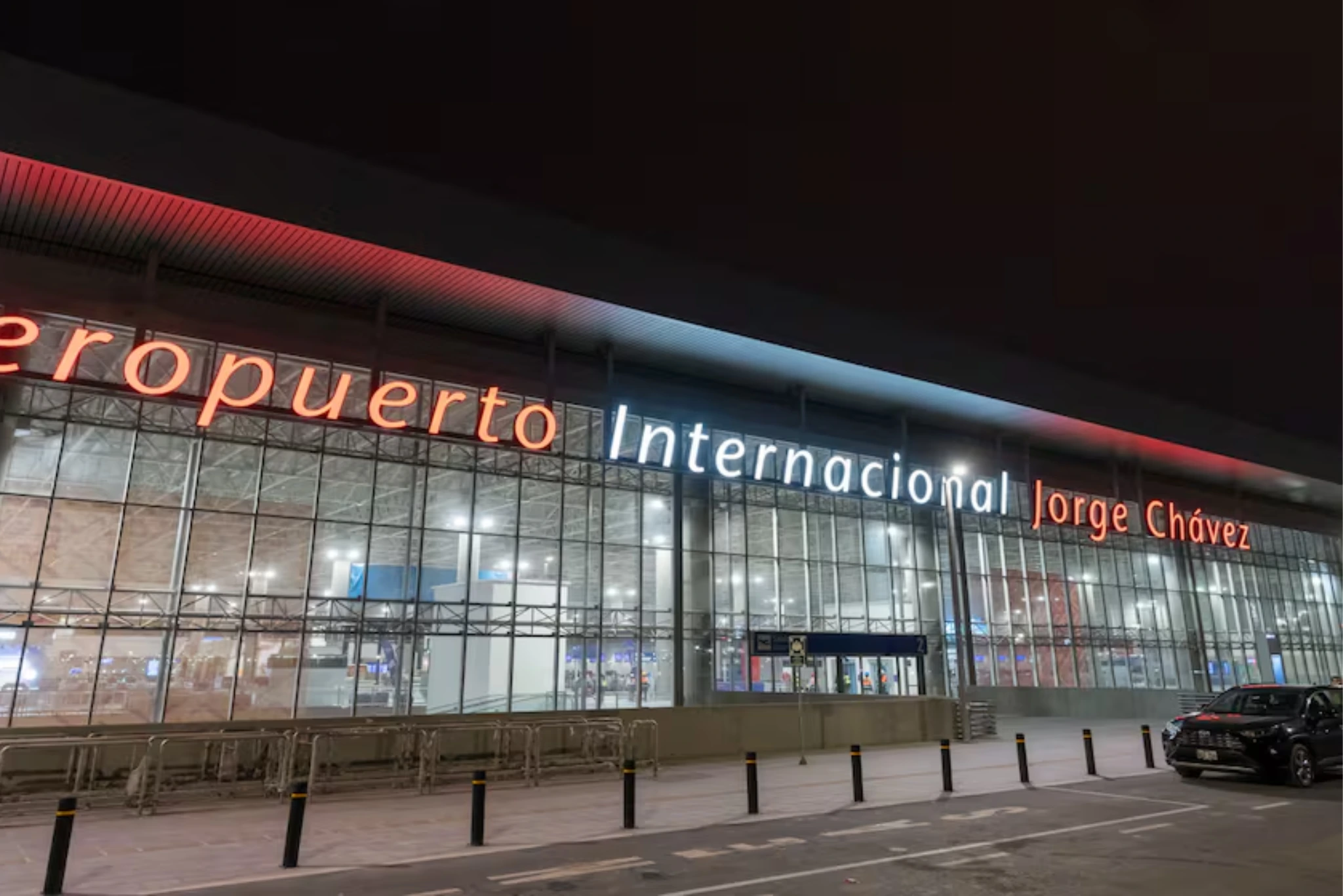
The Airport you're about to Land at has a Story too
Here's something most visitors never think about until they land in Lima: the international airport welcoming you to Peru, Jorge Chávez International Airport, is named after another aviator entirely, and his story is just as remarkable.
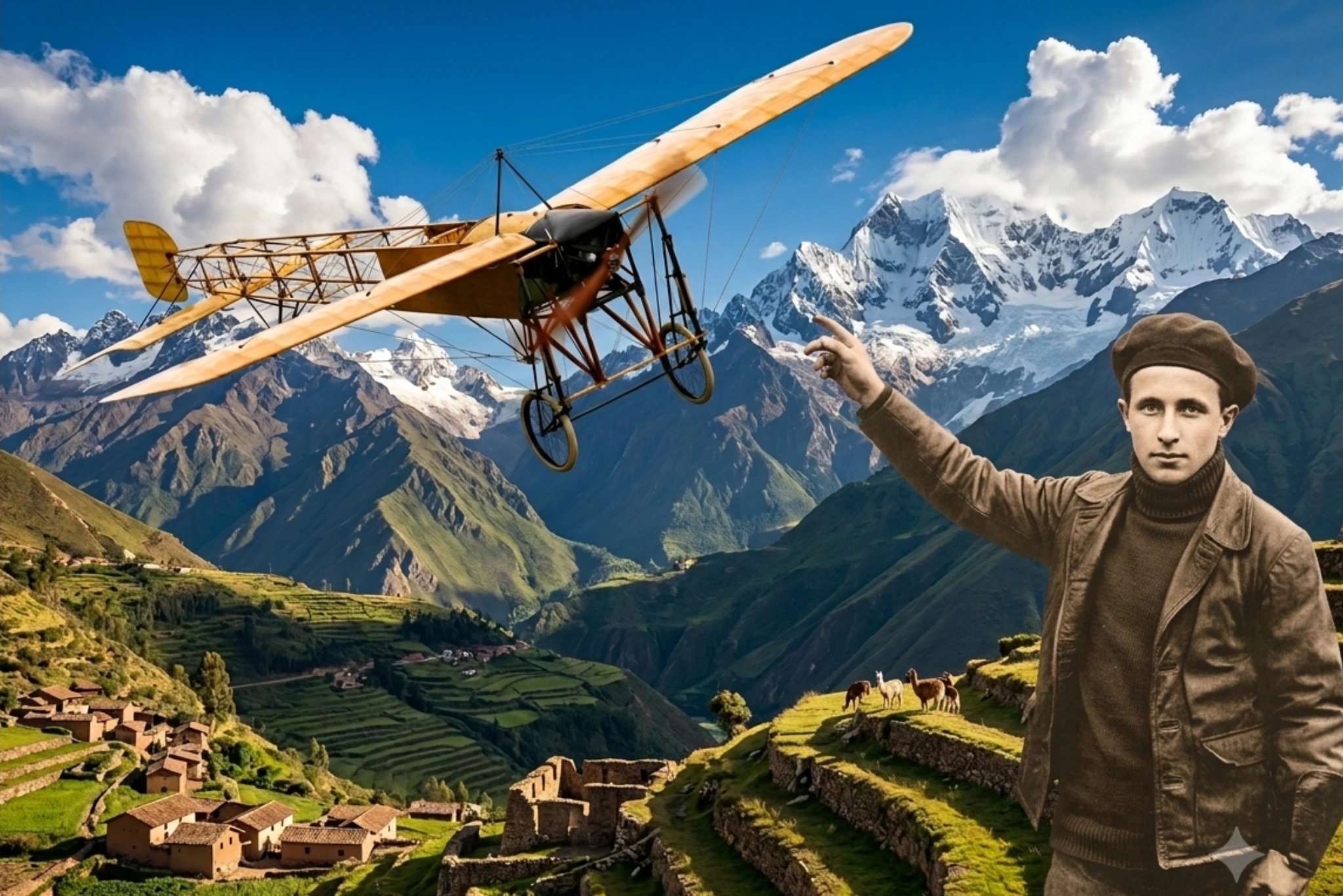
Jorge Chávez was born in Paris in 1887 to a wealthy Peruvian family. Even though he never lived in Peru, he always identified proudly as Peruvian, flying with the country's flag painted on his plane and introducing himself as "peruano" at every aviation competition in Europe. On September 23, 1910, flying a Blériot XI monoplane, he became the first person in history to cross the Alps by air, flying from Brig, Switzerland, to Domodossola, Italy. It was an extraordinary feat for the time, given how young aviation still was.
Tragically, as he attempted to land after the crossing, his aircraft's wing failed and he crashed just meters from the ground. He died four days later, but not before uttering the words that Peruvians still repeat with pride today: "Arriba, siempre arriba" (higher, always higher).
So the next time you touch down at Jorge Chávez International Airport on your way to Lima, Cusco or the Sacred Valley, you'll know exactly whose legacy you're stepping into.
The Combat Jump that Made History in the Americas
Peru's aviation story doesn't stop there. Just a week after Quiñones' sacrifice on July 31, 1941, Peru carried out something no country in the Americas had ever done before: the first combat airborne operation in the Western Hemisphere, and only the third of its kind in the world.
During the final days of the conflict with Ecuador, three Peruvian paratroopers, Antonio Brandariz, Carlos Raffo and Armando Orozco, jumped from Caproni Ca.111 aircraft over the Ecuadorian port of Puerto Bolívar. Armed with little more than knives and pistols, the trio fought through the night to secure the port, and by dawn the Peruvian flag was flying over it. Ecuador declared a ceasefire that same day.
It's a story that rarely makes it into travel guides, but it says a lot about how central aviation history is to Peru's national identity, right alongside the ruins, the food, and the mountains that usually get all the attention.
What This Means If You're Planning to Travel to Peru
For travelers, July can actually be one of the best months to visit Peru. It falls right in the middle of the dry season in the Andes, meaning clear skies over Machu Picchu, comfortable hiking conditions on the Inca Trail, and generally easier travel throughout Cusco and the highlands. The Air Force Day holiday on July 23 lands right before Fiestas Patrias (July 28 and 29), which together create a stretch of national celebration and, often, a longer holiday weekend for locals. Expect a livelier atmosphere in Lima and Cusco during this period, with more flags, more parades, and more of that unmistakable Peruvian pride on full display.
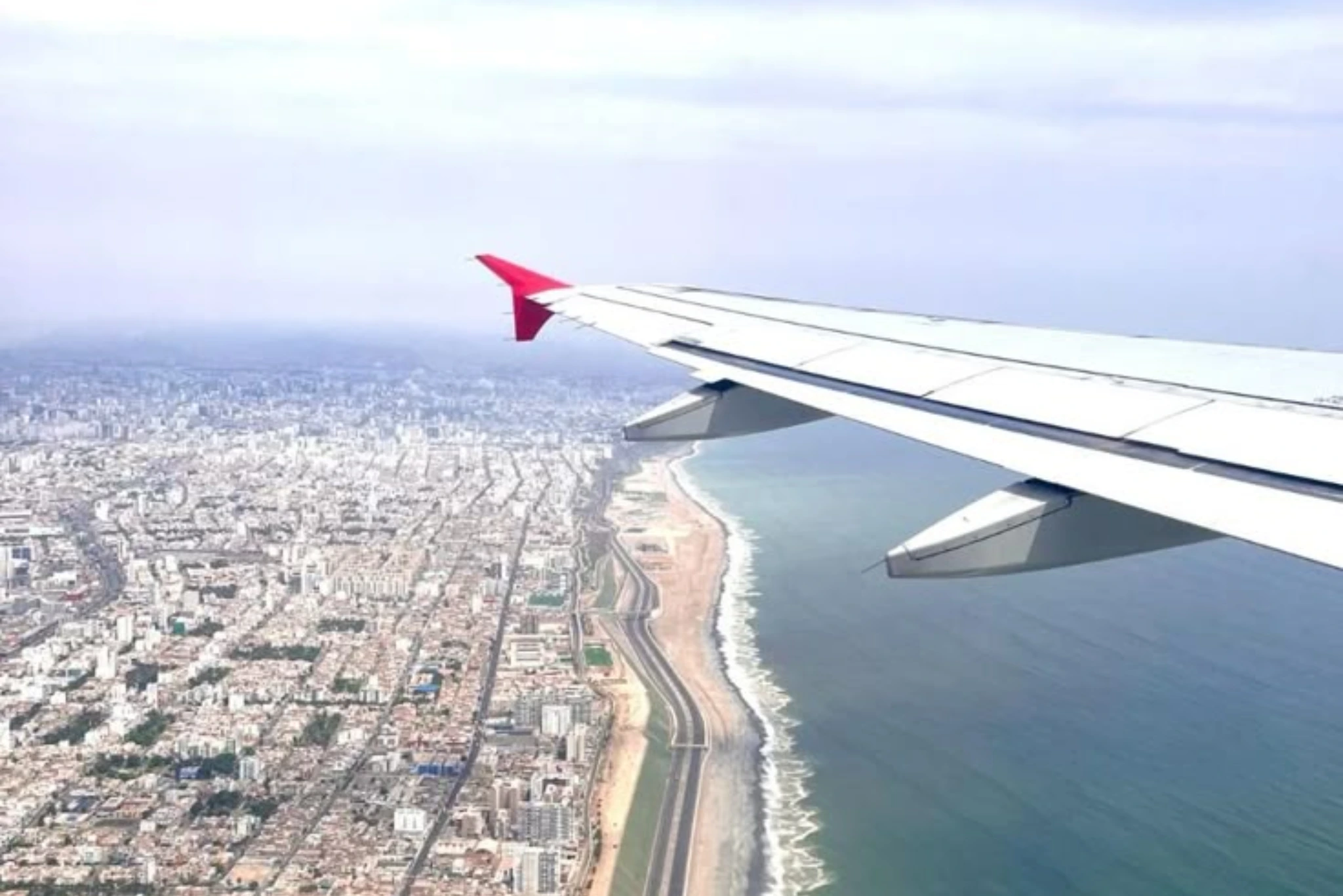
If you're building a trip to Peru around this time of year, it's worth planning ahead. Domestic flights and popular hotels in Cusco tend to fill up faster around national holidays, so booking early gives you more flexibility with your itinerary, whether that means extra days in the Sacred Valley, a stop in Arequipa, or time to explore Lima's coastline before heading up to the mountains.
At Peruvian Sunrise, we help travelers put together itineraries that go beyond the obvious checklist, connecting you with the stories, the history, and the people that make Peru what it is. Whether it's your first time considering a trip to Machu Picchu or you're looking for something a little deeper than the standard tour, we're happy to help you plan it.
Frequently Asked Questions
Is July 23 a public holiday in all of Peru or just in some regions?
It's a national holiday that applies across the entire country, from Lima to Cusco to the Amazon region. All public and private sector workers are entitled to the paid day off, regardless of where they're based.
Will tourist attractions like Machu Picchu be closed on July 23?
No. Machu Picchu, museums, and most tourist sites remain open on national holidays, since tourism keeps running regardless of the local calendar. Some smaller businesses, government offices, and banks may close for the day, but your trip itinerary shouldn't be affected.
Why is Jorge Chávez International Airport named after someone who never lived in Peru?
Even though Jorge Chávez was born and raised in France, he always claimed Peruvian nationality proudly and represented the country in every aviation event he entered. His achievement crossing the Alps in 1910 made him a symbol of courage and innovation, which is why Peru's main international gateway carries his name.
Is late July a good time to travel to Peru?
Yes, it's actually one of the most popular times to visit. It's peak dry season in the Andes, which means better weather for trekking, clearer views at Machu Picchu, and a festive atmosphere thanks to the string of national holidays throughout the month. Just remember to book flights and accommodation in Cusco early, since this is high season.
What other Peruvian holidays happen around this time?
July 23 is followed closely by Fiestas Patrias on July 28 and 29, Peru's Independence Day celebrations, which are the biggest national holidays of the year. Together, they make late July one of the most vibrant periods to be traveling through the country. Check all the Peru Holidays and National Festivities Here
Ready to plan your trip to Peru?
At Peruvian Sunrise, we design personalized travel experiences to Lima, Cusco, the Sacred Valley, and Machu Picchu, built around what makes each traveler curious. Get in touch and let's start planning your journey.