

Hello, Dear reader! If you are visiting Puno and want to see something beyond Lake Titicaca, the Sillustani tombs are a fascinating place to add to your trip. Standing high above the waters of Laguna Umayo, these impressive stone towers offer a glimpse into the beliefs and traditions of the people who lived in the Peruvian Altiplano centuries ago.
But what exactly are the Chullpas of Sillustani, who built them, and why were they used as tombs? Here is what you need to know before visiting this remarkable archaeological site. Continue reading!
What are the Sillustani Chullpas?
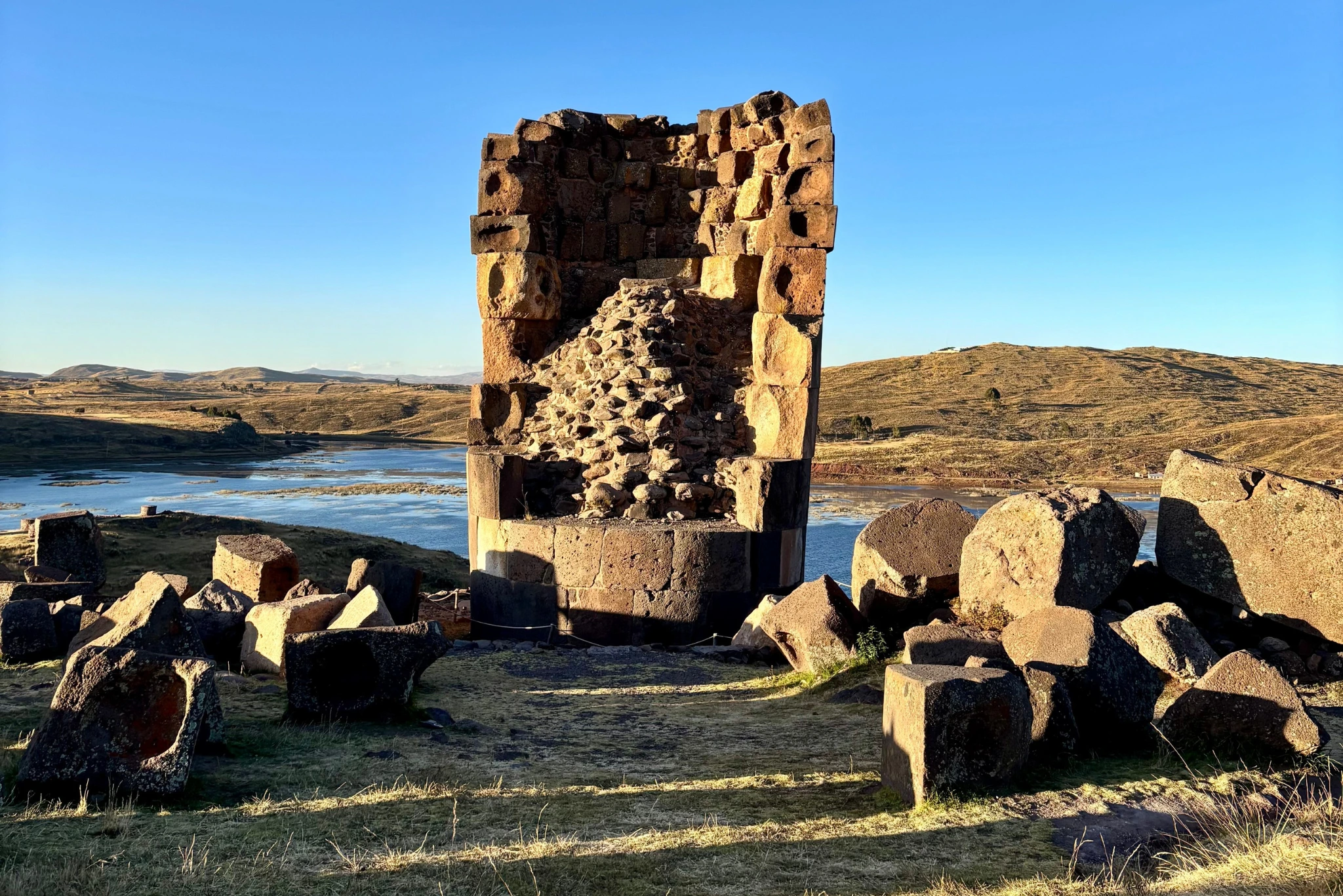
The Chullpas of Sillustani are ancient funerary towers built to house the remains of important members of the societies that lived in the region.
Most of the chullpas are associated with the Colla culture, a pre-Inca society that occupied the Lake Titicaca region. Later, the area was also connected with Tiahuanaco and Inca cultural periods.
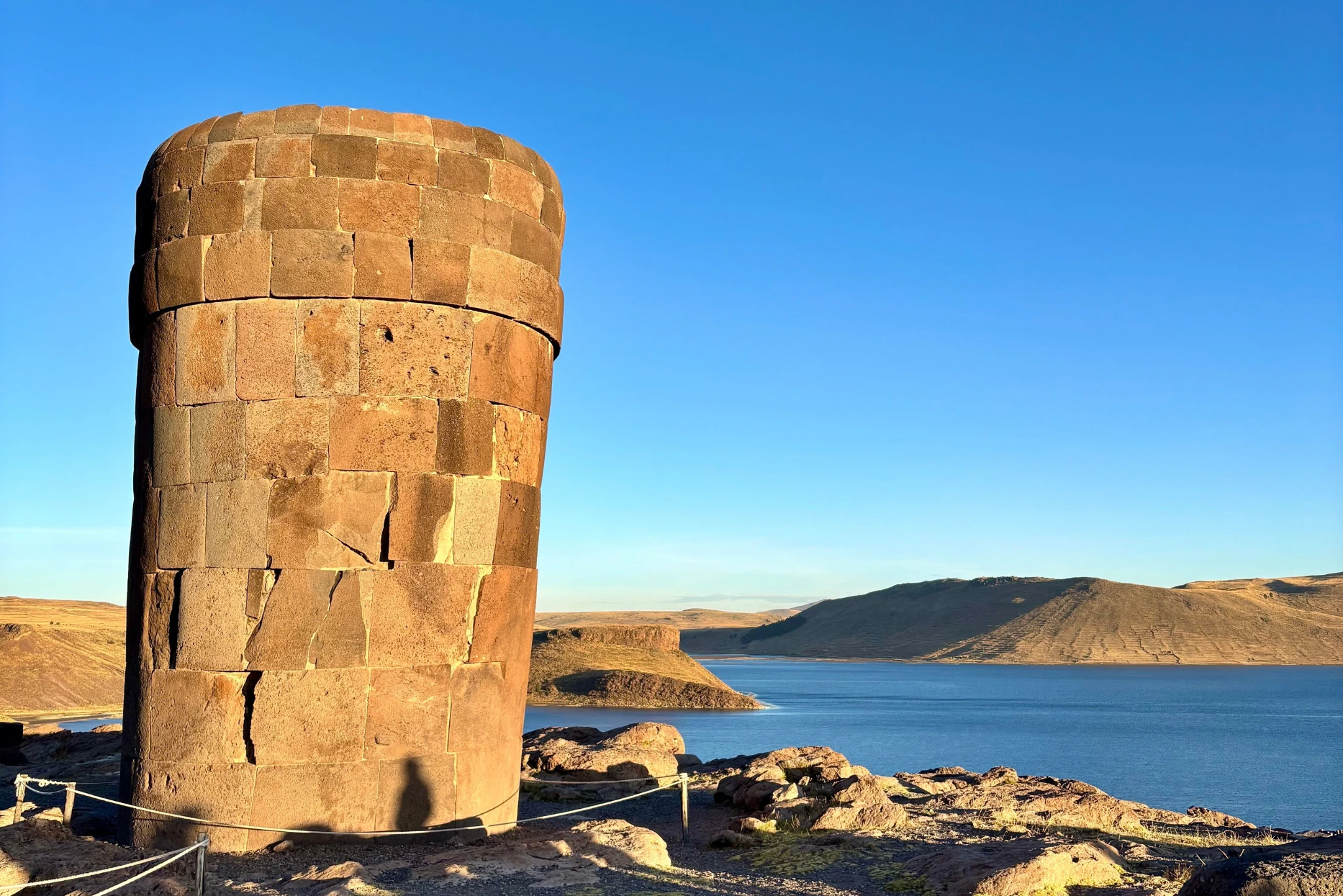
The towers are made mainly of stone and have a distinctive shape: their upper section is wider than their base. Some were built with carefully cut and polished stones that fit together with impressive precision.
One of the most famous is the Chullpa del Lagarto, or Lizard Chullpa. It reaches about 12 meters high and gets its name from a lizard carved into one of its stones.
Who built the Sillustani tombs?
The main chullpas at Sillustani were built by the Colla people, who lived in the region before the expansion of the Inca Empire.
The archaeological complex dates mainly to the pre-Inca period, with the Colla kingdom becoming especially important in the area between approximately the 12th and 15th centuries. The site also shows evidence of different cultural periods, including Tiahuanaco and Inca influence.
So, although you may sometimes hear them called "Inca tombs", the most characteristic chullpas at Sillustani were actually built by the Colla civilization.
How old are the Sillustani chullpas?
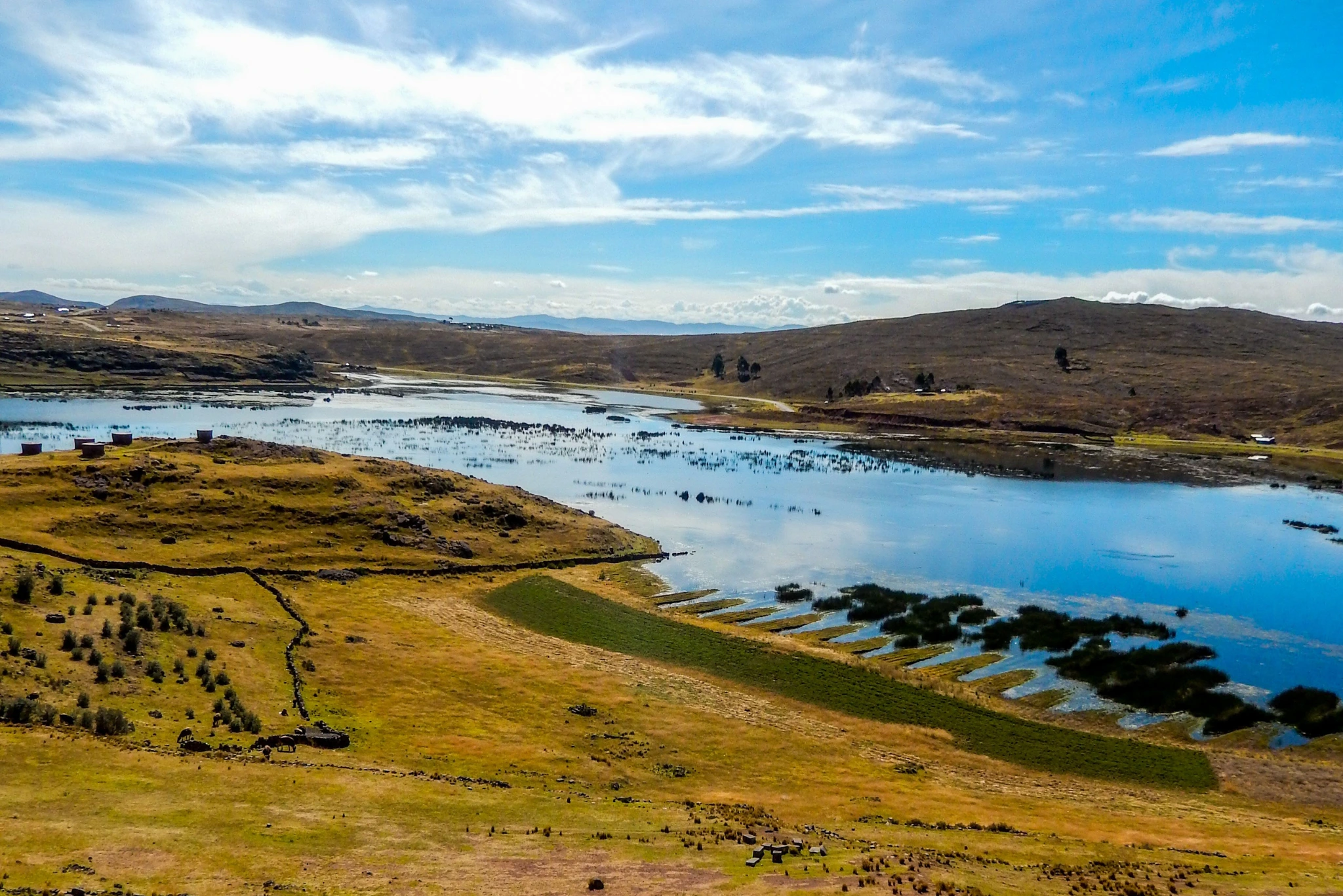
The best-known chullpas belong mainly to the Colla period, roughly between the 12th and 15th centuries.
However, Sillustani has a longer archaeological history. Evidence from the surrounding area points to earlier Tiahuanaco occupation, while later structures show Inca characteristics.
This makes Sillustani more than just a collection of ancient tombs. It is a place where you can see traces of several important cultures of the Andean “Altiplano”.
What were the chullpas used for?
The chullpas were funerary structures. They were used to place the remains of people who held important positions in their communities, including nobles and authorities.
According to archaeological and historical sources, some of the deceased were placed inside the towers in a seated or fetal position, together with objects and offerings connected with them. The small entrance of each chullpa generally faces east, toward the rising sun.
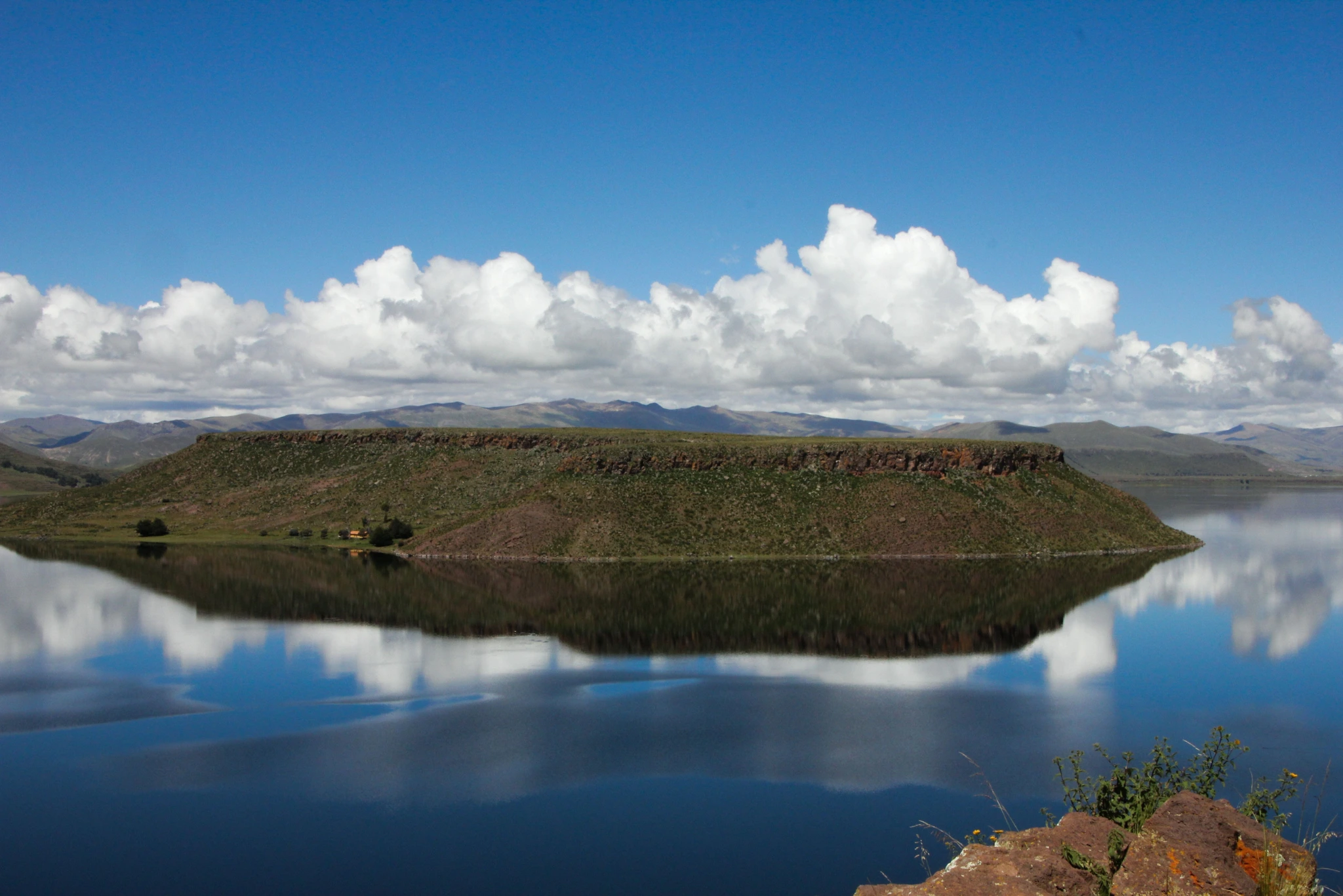
The location is also part of what makes Sillustani so memorable. The towers stand on a peninsula overlooking Laguna Umayo, surrounded by the wide landscapes of the Peruvian Altiplano.
Where is Sillustani located?
The Sillustani archaeological complex is located in the Puno region of southern Peru, in the district of Atuncolla.
It sits on a peninsula beside Laguna Umayo, around 31 km from the city of Puno. The site is surrounded by the characteristic scenery of the Altiplano, making the visit interesting not only for its archaeological importance but also for its views.
What is the elevation of Sillustani?
Sillustani is located at approximately 3,900 meters (12,800 feet) above sea level. Official tourism information gives an elevation of around 3,902 to 3,909 meters.
Because of the altitude, it is a good idea to take your time when walking around the site, especially if you have just arrived in Puno or are still adjusting to the altitude.
Bring warm clothing, sunscreen and water. The weather in the Altiplano can change quickly, even when the sun is strong.
How to get to Sillustani from Puno
Getting to Sillustani from Puno is relatively easy.
The archaeological complex is around 35 km from Puno by road, and the trip generally takes about 35 minutes, depending on traffic and road conditions.
You can visit Sillustani as a half-day excursion from Puno, which makes it easy to combine with other experiences in the area.
If you are traveling with a private tour, your transportation and visit can also be planned around your itinerary, so you do not have to organize every detail yourself.
How much does it cost to visit Sillustani?
The official tourism information currently lists a general entrance fee of S/15. Opening hours are listed as 8:30am to 5:30pm. You will be able to enter until 5pm.
Since entrance fees and visiting conditions could change, it is always a good idea to check the latest information before your visi it.
Why visit Sillustani?
Sillustani is a great choice if you want to understand a little more about the cultures that developed around Lake Titicaca.
You can see impressive funerary towers, learn about the Colla civilization and enjoy views of Laguna Umayo, all in the same visit. There is also a small site museum with archaeological pieces connected to the Colla, Tiahuanaco and Inca cultures.
And perhaps the best part? You do not need several days to visit it. Sillustani can easily fit into a Puno itinerary as a half-day excursion.
FAQs about Sillustani
Are the Sillustani tombs Inca?
Not exactly, the main chullpas were built by the Colla civilization, before the expansion of the Inca Empire. However, the site also has evidence of later Inca influence.
What does "chullpa" mean?
A chullpa is a type of ancient funerary structure found in the Andean region, particularly around the Altiplano. At Sillustani, these structures were used as tombs for important members of society.
How tall are the Sillustani tombs?
Many of the towers are several meters high, 4 or 6 meters in average, while some of the largest reach around 12 or 15 meters.
Is Sillustani worth visiting from Puno?
Sillustani is close enough to Puno to visit on a half-day trip, making it a practical addition to a Puno itinerary. It is especially interesting if you enjoy archaeology, history and the beautiful Andean landscapes.
Can I visit Sillustani and Lake Titicaca on the same trip?
Yes! Sillustani can be included as part of a wider Puno itinerary, together with experiences around Lake Titicaca and other attractions in the region.
Discover Sillustani with Peruvian Sunrise
Sillustani is one of those places that can give you a different perspective on the Lake Titicaca region. Beyond the famous lake, you can discover the history of the people who lived here and see their impressive stonework surrounded by the landscapes of the Altiplano.
Planning a trip to Peru? Let Peruvian Sunrise help you include Sillustani in an itinerary that fits the way you want to travel. Contact us and start planning your journey through Peru.